VS

VW ID.5 vs Audi Q4 e-tron comparison

Compare performance (340 HP vs 340 HP), boot space and price (36,800 £ vs 39,600 £ ) at a glance. Find out which car is the better choice for you – VW ID.5 or Audi Q4 e-tron?

VW ID.5 vs Audi Q4 e-tron: Key differences

VW ID.5

2.9 (2 Reviews)
rate
  • very slightly cheaper
  • barely more efficient
  • very slightly more electric range
  • marginally lighter
  • barely more trunk space
details

Audi Q4 e-tron

4.9 (2 Reviews)
rate
details

By Achim Sedelmaier

ID.5

Electric Unleashed: Audi Q4 e-tron vs. VW ID.5

The electric vehicle (EV) market is booming, and two notable contenders making headlines are the Audi Q4 e-tron and the VW ID.5. Both vehicles embody the shift towards sustainable mobility while delivering innovative technology and performance. This article provides a comprehensive comparison of these two electric SUVs, focusing on their technical specifications, performance, and innovative features.
Q4 e-tron

Power & Performance

Starting with powertrain options, both the Q4 e-tron and the ID.5 offer remarkable efficiency and performance. The Audi Q4 e-tron comes with various power outputs, including options for 170 HP, 204 HP, and a more potent 340 HP variant, paired with either rear-wheel drive or all-wheel drive systems. In contrast, the VW ID.5 also boasts power outputs of up to 340 HP, with similar drive configurations available.

Acceleration is a critical aspect for any performance SUV. The Q4 e-tron impressively accelerates from 0 to 100 km/h in as little as 5.4 seconds for its higher trims, while the ID.5 matches this with a similar acceleration time for its top-spec model. The torque figures also reveal the power these vehicles command, with the Q4's maximum torque reaching 679 Nm, comparable to the ID.5's 679 Nm, demonstrating exceptional pulling power.

ID.5

Range & Efficiency

Range is a crucial consideration for buyers looking for electric vehicles. The Audi Q4 e-tron showcases various electric ranges depending on the chosen configuration, ranging from 351 km to an impressive 554 km. The ID.5 takes the lead in this category with a maximum electric range of 563 km, thanks to its efficient design and energy management.

When it comes to energy consumption, the Q4 e-tron records figures from 15.9 kWh/100 km to 17.4 kWh/100 km, while the ID.5 stands out as more efficient, with figures as low as 15.6 kWh/100 km. These efficiency ratings can significantly influence driving costs and the overall sustainability of your daily commute.

Q4 e-tron

Design & Comfort

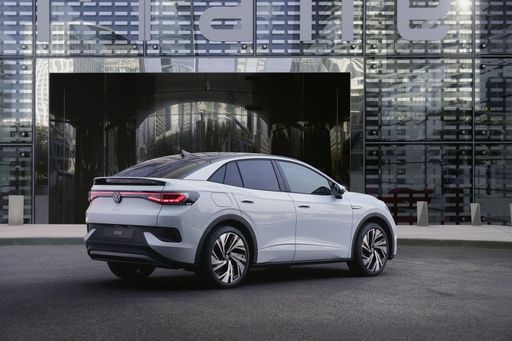
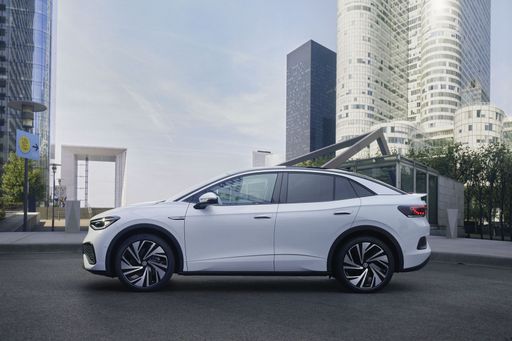
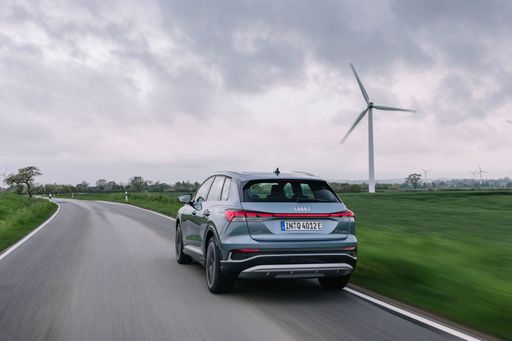
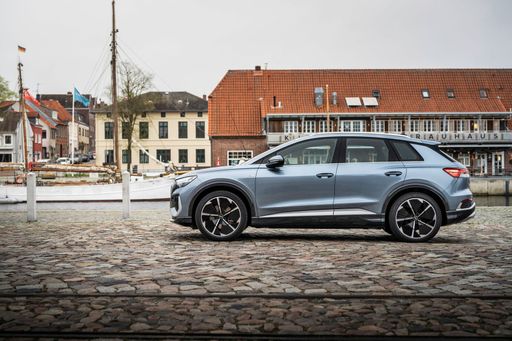
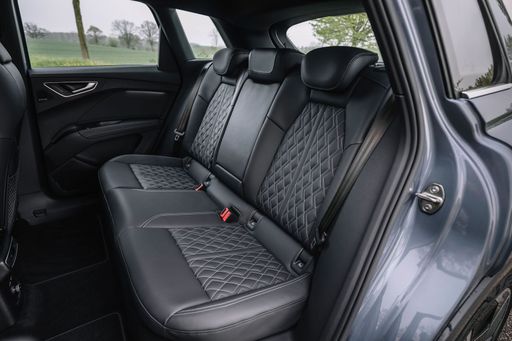
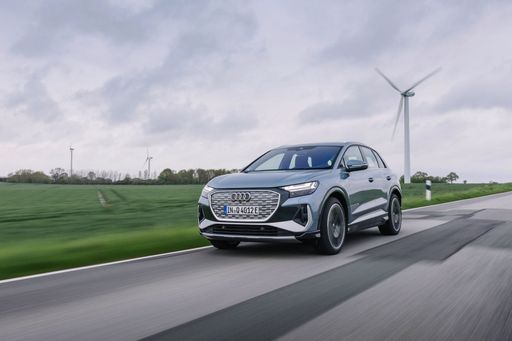
In terms of design, the Audi Q4 e-tron embodies a modern and athletic appearance with sharp lines and a distinctive Audi grille, promising a sophisticated but sporty aesthetic. The dimensions of the Q4 e-tron are also noteworthy, measuring 4588 mm in length and 1865 mm in width, offering a spacious interior for passengers.

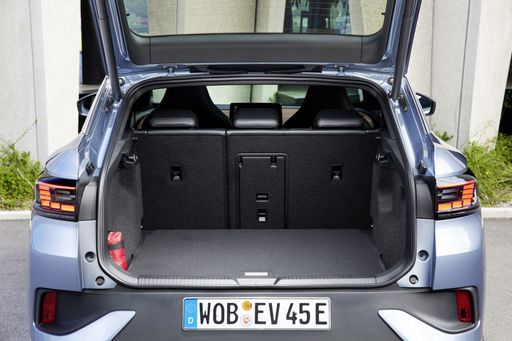
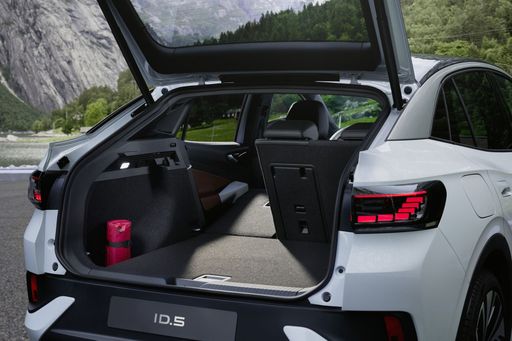
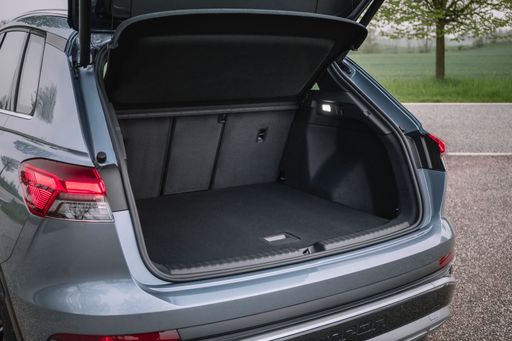
The VW ID.5 follows closely in design ethos, offering an equally contemporary SUV silhouette with a slightly larger width of 1852 mm and a length of 4599 mm, providing a bit more cargo space. The trunk capacity in the ID.5 is slightly larger at 549 liters compared to the Q4 e-tron’s capacity of up to 535 liters, enhancing its practicality for families or those with gear to carry.

ID.5

Advanced Technology

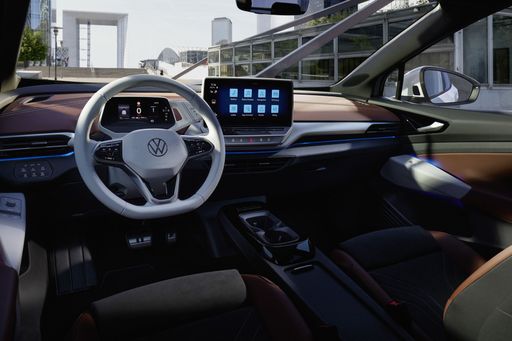
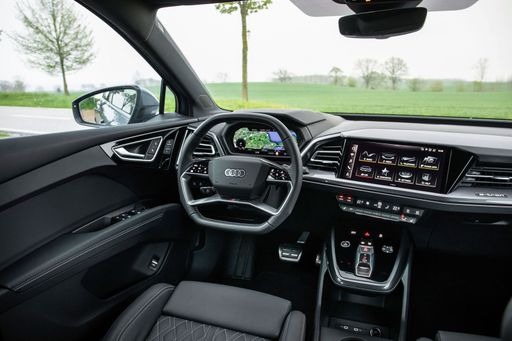
Both models are equipped with advanced technology and safety features, but each brand brings its distinct flavor. The Q4 e-tron includes the latest Audi MMI infotainment system, featuring a high-resolution touchscreen, connected services, and a premium sound system. The ID.5 offers the VW's ID. cockpit, which is user-friendly and includes a digital display and voice control functionalities, making tech interaction seamless and enjoyable.

Innovations such as adaptive cruise control, lane assist, and various driving modes enhance both vehicles' driving experience, emphasizing safety and a driver-centric focus. Audi's Virtual Cockpit provides customizable gauge displays that keep essential information front and center, while VW's ID.5 emphasizes simplicity and ease of use in its controls.

Q4 e-tron

Conclusion: Which One Should You Choose?

The choice between the Audi Q4 e-tron and VW ID.5 boils down to personal preference and priorities. If performance and luxury features are at the top of your list and you appreciate a premium feel, the Q4 e-tron may be the right fit. However, if you prioritize efficiency and range, the VW ID.5 comes out ahead with a slight lead in mileage and practicality, making it an excellent option for everyday users.

Both vehicles exemplify the future of electric mobility, combining sustainability with cutting-edge technology and reliable performance. As the EV market continues to evolve, these models stand out as examples of what's possible in the world of electric SUVs.

Here’s where it gets real: The technical differences in detail

ID.5

Costs and Efficiency:

When it comes to price and running costs, the biggest differences usually appear. This is often where you see which car fits your budget better in the long run.

VW ID.5 is very slightly cheaper – starting at 36,800 £ , while the Audi Q4 e-tron costs 39,600 £ . That’s a price difference of around 2,726 £.

In terms of energy consumption, the VW ID.5 is barely more efficient: consuming 15.7 kWh/100km compared to 15.9 kWh/100km for the Audi Q4 e-tron. That’s a difference of about 0.2 kWh/100km.

As for electric range, the VW ID.5 offers very slightly more range – reaching up to 559 km, about 5 km more than the Audi Q4 e-tron.

Q4 e-tron

Engine and Performance:

Power, torque and acceleration are the classic benchmarks for car enthusiasts – and here, some clear differences start to show.

Both models deliver identical power – 340 HP each.

Both models accelerate almost equally fast – 5.4 s from 0 to 100 km/h.

There’s no difference in top speed – both reach 180 km/h.

Both models offer the same torque – 679 Nm.

ID.5

Space and Everyday Use:

Cabin size, boot volume and payload all play a role in everyday practicality. Here, comfort and flexibility make the difference.

Both vehicles offer seating for 5 people.

In terms of curb weight, VW ID.5 is marginally lighter – 1,963 kg compared to 2,035 kg. The difference is around 72 kg.

Looking at boot space, the VW ID.5 offers barely more boot space – 549 L compared to 535 L. That’s a difference of about 14 L.

For maximum load capacity, the VW ID.5 offers barely more capacity – up to 1,561 L, about 71 L more than the Audi Q4 e-tron.

When it comes to payload, the VW ID.5 carries very slightly more – 549 kg compared to 515 kg. That’s a difference of about 34 kg.

Who wins the race in the data check?

The VW ID.5 shows a few small advantages in the objective data comparison.
This result only shows which model scores more points on paper – not which of the two cars feels right for you.

from £36,800
ID.5

VW ID.5

  • Engine Type : Electric
  • Transmission : Automatic
  • Drive Type : Rear-Wheel Drive, All-Wheel Drive
  • Power HP : 170 - 340 HP
  • Consumption kWh/100km : 15.7 - 16.6 kWh/100km
  • Electric Range : 363 - 559 km
VW ID.5
Audi Q4 e-tron

Costs and Consumption

View detailed analysis

Engine and Performance

View detailed analysis

Dimensions and Body

View detailed analysis

VW ID.5

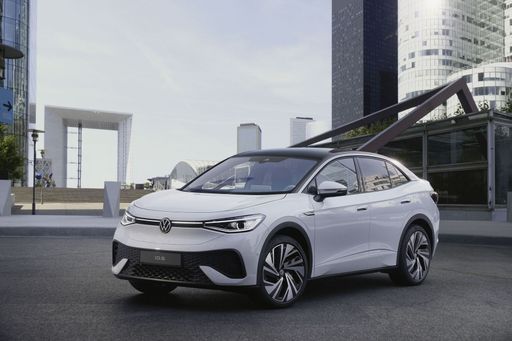
VW ID.5 dresses electric power in a sleek, coupe-like profile that turns sensible motoring into something a touch more stylish and smug. Inside it’s spacious and user-friendly, with calm, confidence-inspiring driving that suits buyers who want EV simplicity without the sci‑fi theatrics.

details

Audi Q4 e-tron

The Audi Q4 e-tron brings Audi polish into the electric crossover scene, pairing a sleek exterior with a refined, airy interior that makes everyday driving feel distinctly premium. It’s an easy-to-live-with EV that balances comfort and real-world usability with intuitive tech, making it a smart choice for buyers who want electric mobility without giving up Audi character — and yes, it still looks good in the driveway.

details
VW ID.5
Audi Q4 e-tron

Costs and Consumption

Price
36,800 - 48,400 £
Price
39,600 - 58,800 £
Consumption L/100km
-
Consumption L/100km
-
Consumption kWh/100km
15.7 - 16.6 kWh/100km
Consumption kWh/100km
15.9 - 17.4 kWh/100km
Electric Range
363 - 559 km
Electric Range
406 - 554 km
Battery Capacity
52 - 79 kWh
Battery Capacity
77 kWh
co2
0 g/km
co2
0 g/km
Fuel tank capacity
-
Fuel tank capacity
-

Dimensions and Body

Body Type
SUV
Body Type
SUV
Seats
5
Seats
5
Doors
5
Doors
5
Curb weight
1,963 - 2,233 kg
Curb weight
2,035 - 2,235 kg
Trunk capacity
549 L
Trunk capacity
520 - 535 L
Length
4,582 - 4,599 mm
Length
4,588 mm
Width
1,852 mm
Width
1,865 mm
Height
1,601 - 1,618 mm
Height
1,614 - 1,632 mm
Max trunk capacity
1,561 L
Max trunk capacity
1,460 - 1,490 L
Payload
517 - 549 kg
Payload
505 - 515 kg

Engine and Performance

Engine Type
Electric
Engine Type
Electric
Transmission
Automatic
Transmission
Automatic
Transmission Detail
Reduction Gearbox
Transmission Detail
Reduction Gearbox
Drive Type
Rear-Wheel Drive, All-Wheel Drive
Drive Type
Rear-Wheel Drive, All-Wheel Drive
Power HP
170 - 340 HP
Power HP
204 - 340 HP
Acceleration 0-100km/h
5.4 - 8.9 s
Acceleration 0-100km/h
5.4 - 8.1 s
Max Speed
160 - 180 km/h
Max Speed
180 km/h
Torque
310 - 679 Nm
Torque
310 - 679 Nm
Number of Cylinders
-
Number of Cylinders
-
Power kW
125 - 250 kW
Power kW
150 - 250 kW
Engine capacity
-
Engine capacity
-

General

Model Year
2,024 - 2,025
Model Year
2,023 - 2,025
CO2 Efficiency Class
A
CO2 Efficiency Class
A
Brand
VW
Brand
Audi
DriveDuel uses data analysis and artificial intelligence to evaluate vehicle data and create content. Content is regularly reviewed and improved. The displayed prices are estimates based on German list prices, adjusted to the respective country’s VAT. Country-specific registration taxes are not included. This information is not legally binding.