VS

VW ID.5 vs BMW iX1 comparison

Compare performance (299 HP vs 313 HP), boot space and price (37,200 £ vs 42,300 £ ) at a glance. Find out which car is the better choice for you – VW ID.5 or BMW iX1?

VW ID.5 vs BMW iX1: Key differences

VW ID.5

2.9 (2 Reviews)
rate
  • slightly cheaper
  • barely more electric range
details

BMW iX1

4.5 (5 Reviews)
rate
  • marginally more power
  • only slightly more efficient
  • only slightly quicker 0–100 km/h
  • very slightly lighter
details

All details on performance, efficiency, range and trunk space can be found in the technical comparison below – including user reviews for both models.

By Achim Sedelmaier

ID.5

The Battle of Electric SUVs: BMW iX1 vs. VW ID.5

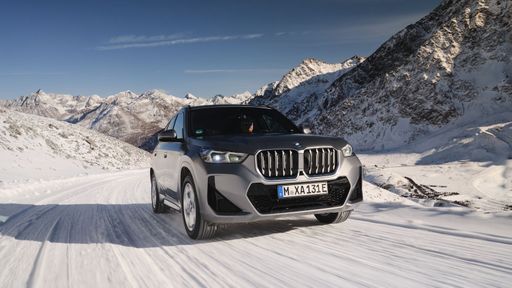
In the ever-evolving world of electric vehicles, the BMW iX1 and Volkswagen ID.5 stand out as compelling options in the compact SUV segment. Both models represent the merging of innovative technology and environmental consciousness, but how do they stack up against each other? Join us as we explore their technical aspects, innovations, and overall user experience.
iX1

Design and Dimensions

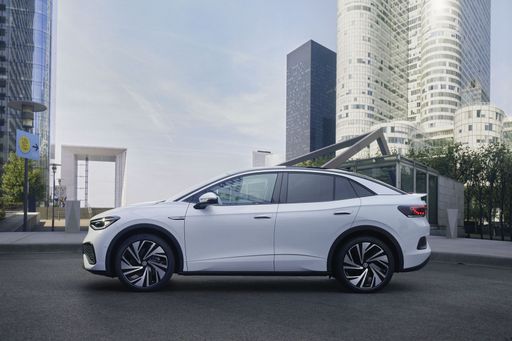
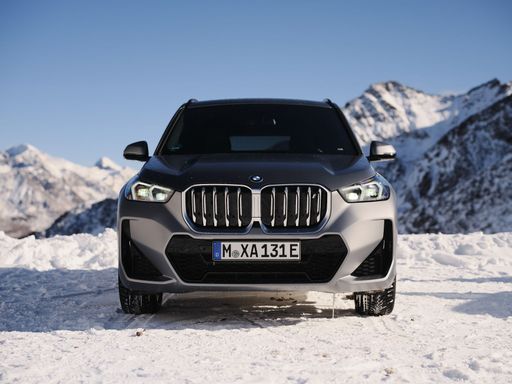
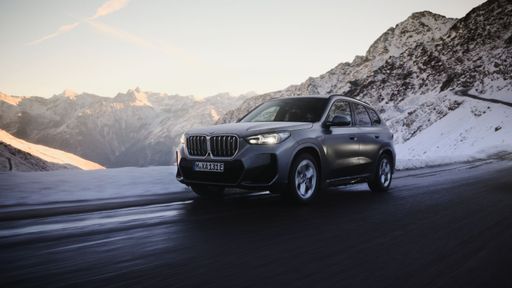
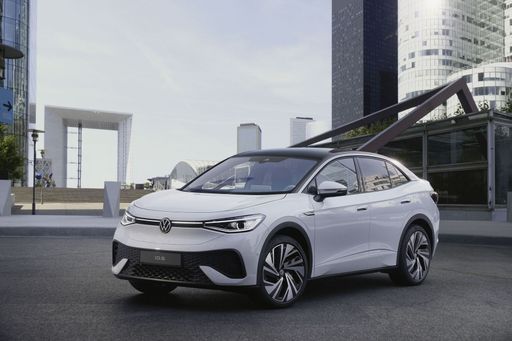
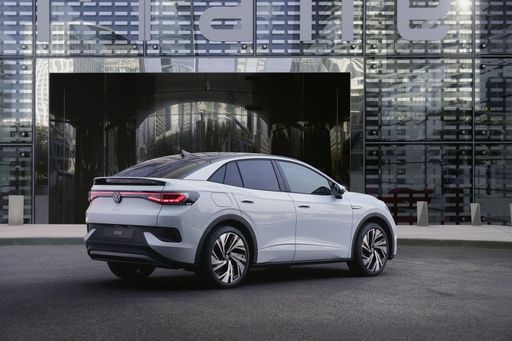
Starting with the exterior, both the BMW iX1 and VW ID.5 maintain the signature styling cues of their respective brands. The iX1, measuring at 4500 mm in length, displays a sporty and robust design with a height of 1616 mm and a width of 1845 mm, making it an appealing choice for those who crave both aesthetics and functionality. In contrast, the ID.5 is slightly larger, with a length of 4599 mm for the standard model and a height of 1618 mm, providing a spacious feel without compromising on style.

ID.5

Powertrain and Performance

The iX1 offers two power options: a 204 HP variant with front-wheel drive and a more powerful all-wheel-drive version boasting 313 HP. It can accelerate from 0 to 100 km/h in a swift 5.6 seconds, showcasing BMW’s commitment to performance. On the other hand, the VW ID.5 boasts various configurations, with power outputs ranging from 170 HP to 340 HP. The most powerful version can sprint from 0 to 100 km/h in just 5.4 seconds, giving it impressive performance credentials, especially for an electric SUV.

iX1

Efficiency and Range

Efficiency is crucial in the electric vehicle landscape, and here, the BMW iX1 has a slight edge with a consumption rating of 15.8 kWh/100 km for its lower power variant, while the ID.5 offers similar figures, with a commendable 15.7 kWh/100 km for its most efficient variant. When it comes to electric range, the iX1 features a maximum range of 463 km, while the ID.5 excels with ranges of up to 563 km, depending on the battery configuration. This enhanced range may provide ID.5 owners with more flexibility for long-distance travel.

ID.5

Battery Capacity and Charging

Both models utilize advanced battery technology, with the iX1 equipped with a 64.8 kWh battery, whereas the ID.5 offers various battery options, including 77 kWh for optimal performance. The ID.5’s larger battery capacity can lead to fewer charging stops on extended journeys, which could be a significant advantage for many buyers.

iX1

Interior Comfort and Space

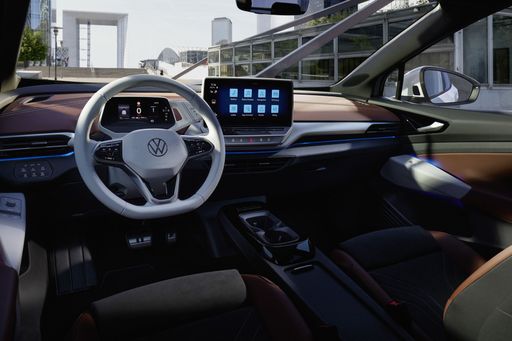
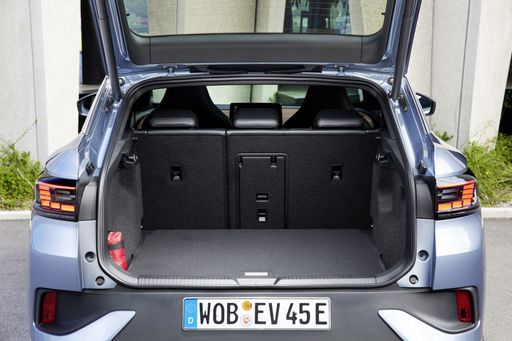
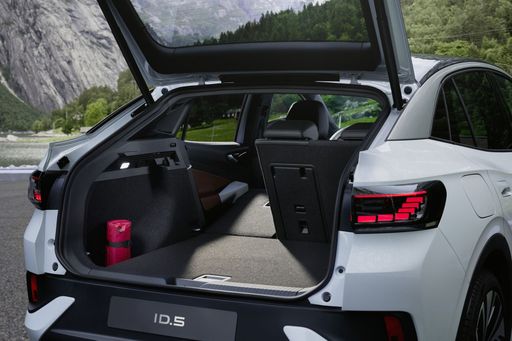
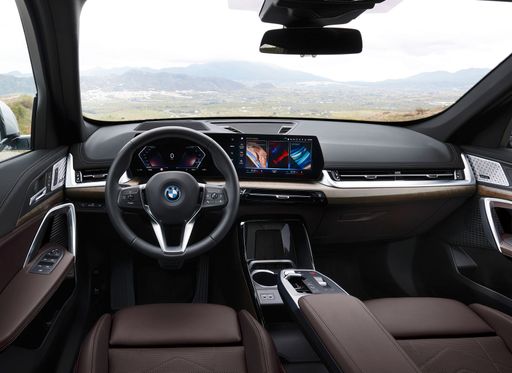
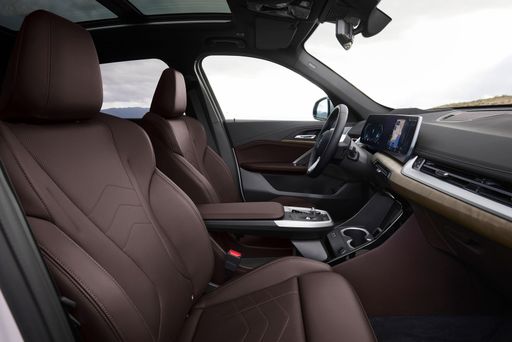
Both SUVs offer spacious interiors, with both models capable of seating five passengers. The iX1 has a trunk capacity of 490 liters, while the ID.5 outperforms it with 549 liters, making it better suited for storing luggage or equipment. Interior technology is also worth noting; both vehicles are equipped with advanced infotainment systems featuring large touchscreen interfaces, but BMW's iX1 provides a more luxurious finish and premium materials, attracting a distinct buyer demographic.

ID.5

Driving Dynamics and Innovation

Driving dynamics are where BMW traditionally excels, and the iX1 is no exception, offering a dynamic and engaging driving experience that focuses on performance and handling. The VW ID.5, while not as sporty, offers a smooth ride with its electric drivetrain, emphasizing comfort and efficiency. Each car features a mix of smart driver-assist technologies, with both brands striving to enhance safety and convenience. Notably, the iX1 comes with BMW's latest technology suite, while the ID.5 utilizes VW’s reliable systems.

iX1

Conclusion: Choosing Your Electric SUV

Ultimately, choosing between the BMW iX1 and VW ID.5 boils down to individual preferences and priorities. If performance and luxury are your top priorities, the iX1 is likely the more suitable choice. However, for those seeking greater range and practicality, the ID.5 smoothly edges ahead. Both vehicles represent the future of electric mobility, combining innovative technologies with sustainable performance.

Here’s where it gets real: The technical differences in detail

ID.5

Costs and Efficiency:

Looking at overall running costs, both models reveal some interesting differences in everyday economy.

VW ID.5 is slightly cheaper – starting at 37,200 £ , while the BMW iX1 costs 42,300 £ . That’s a price difference of around 5,177 £.

In terms of energy consumption, the BMW iX1 is only slightly more efficient: consuming 14.3 kWh/100km compared to 15.4 kWh/100km for the VW ID.5. That’s a difference of about 1.1 kWh/100km.

As for electric range, the VW ID.5 offers barely more range – reaching up to 571 km, about 57 km more than the BMW iX1.

iX1

Engine and Performance:

Power, torque and acceleration are the classic benchmarks for car enthusiasts – and here, some clear differences start to show.

When it comes to engine power, the BMW iX1 offers marginally more power – delivering 313 HP compared to 299 HP. That’s roughly 14 HP more horsepower.

When accelerating from 0 to 100 km/h, the BMW iX1 is only slightly quicker – completing the sprint in 5.6 s, while the VW ID.5 takes 6.1 s. That’s about 0.5 s quicker.

There’s also a difference in torque: the VW ID.5 delivers barely more torque with 545 Nm compared to 494 Nm. That’s about 51 Nm more.

ID.5

Space and Everyday Use:

Cabin size, boot volume and payload all play a role in everyday practicality. Here, comfort and flexibility make the difference.

Both vehicles offer seating for 5 people.

In terms of curb weight, BMW iX1 is very slightly lighter – 1,940 kg compared to 2,051 kg. The difference is around 111 kg.

When it comes to payload, the VW ID.5 carries moderately more – 552 kg compared to 495 kg. That’s a difference of about 57 kg.

Who wins the race in the data check?

The VW ID.5 has only a minor advantage in the objective data comparison.
This result only shows which model scores more points on paper – not which of the two cars feels right for you.

from £37,200
ID.5

VW ID.5

  • Engine Type Electric
  • Transmission Automatic
  • Drive Type Rear-Wheel Drive, All-Wheel Drive
  • Power HP 190 - 299 HP
  • Consumption kWh/100km 15.4 - 16.1 kWh/100km
  • Electric Range 436 - 571 km
VW ID.5
BMW iX1

Costs and Consumption

View detailed analysis

Engine and Performance

View detailed analysis

Dimensions and Body

View detailed analysis

VW ID.5

VW ID.5 dresses electric power in a sleek, coupe-like profile that turns sensible motoring into something a touch more stylish and smug. Inside it’s spacious and user-friendly, with calm, confidence-inspiring driving that suits buyers who want EV simplicity without the sci‑fi theatrics.

details

BMW iX1

The BMW iX1 is a compact electric crossover that blends BMW's characteristic driving dynamics with a practical, premium interior, making it a strong choice for buyers who want an upscale daily driver with electric efficiency. It delivers composed handling for city and motorway use, while its clean, modern styling and intuitive tech give the cabin an inviting, contemporary feel.

details
VW ID.5
BMW iX1

Costs and Consumption

Price
37,200 - 49,300 £
Price
42,300 - 55,200 £
Consumption L/100km
-
Consumption L/100km
-
Consumption kWh/100km
15.4 - 16.1 kWh/100km
Consumption kWh/100km
14.3 - 15.7 kWh/100km
Electric Range
436 - 571 km
Electric Range
466 - 514 km
Battery Capacity
-
Battery Capacity
-
co2
0 g/km
co2
0 g/km
Fuel tank capacity
-
Fuel tank capacity
-

Dimensions and Body

Body Type
SUV
Body Type
SUV
Seats
5
Seats
5
Doors
-
Doors
-
Curb weight
2,051 - 2,204 kg
Curb weight
1,940 - 2,085 kg
Trunk capacity
-
Trunk capacity
490 L
Length
-
Length
-
Width
1,852 mm
Width
1,845 mm
Height
-
Height
-
Max trunk capacity
-
Max trunk capacity
-
Payload
529 - 552 kg
Payload
495 kg

Engine and Performance

Engine Type
Electric
Engine Type
Electric
Transmission
Automatic
Transmission
Automatic
Transmission Detail
Reduction Gearbox
Transmission Detail
Reduction Gearbox
Drive Type
Rear-Wheel Drive, All-Wheel Drive
Drive Type
Front-Wheel Drive, All-Wheel Drive
Power HP
190 - 299 HP
Power HP
204 - 313 HP
Acceleration 0-100km/h
6.1 - 8.4 s
Acceleration 0-100km/h
5.6 - 8.6 s
Max Speed
-
Max Speed
-
Torque
310 - 545 Nm
Torque
250 - 494 Nm
Number of Cylinders
-
Number of Cylinders
-
Power kW
140 - 220 kW
Power kW
150 - 230 kW
Engine capacity
-
Engine capacity
-

General

Model Year
2026
Model Year
2026
CO2 Efficiency Class
A
CO2 Efficiency Class
A
Brand
VW
Brand
BMW
DriveDuel uses data analysis and artificial intelligence to evaluate vehicle data and create content. Content is regularly reviewed and improved. The displayed prices are estimates based on German list prices, adjusted to the respective country’s VAT. Country-specific registration taxes are not included. This information is not legally binding.