VS

VW ID.5 vs BMW iX2 comparison

Compare performance (340 HP vs 313 HP), boot space and price (36,800 £ vs 43,700 £ ) at a glance. Find out which car is the better choice for you – VW ID.5 or BMW iX2?

VW ID.5 vs BMW iX2: Key differences

VW ID.5

2.9 (2 Reviews)
rate
  • slightly cheaper
  • only slightly more power
  • marginally more electric range
  • marginally quicker 0–100 km/h
  • very slightly more trunk space

BMW iX2

5 (2 Reviews)
rate
  • marginally more efficient
  • only slightly lighter

All details on performance, efficiency, range and trunk space can be found in the technical comparison below – including user reviews for both models.

ID.5

Introduction: The Electric Showdown

The electric vehicle market continues to heat up as automakers bring forth innovative models designed to cater to a diverse array of consumer preferences. Among the latest entrants in the electric SUV segment are the BMW iX2 and Volkswagen ID.5. Both vehicles boast impressive specifications and cutting-edge technologies, but how do they stack up against each other? In this article, we will delve into the technical aspects and innovations of these two electric powerhouses to determine which one comes out on top.
iX2

Design and Dimensions: A Visual Comparison

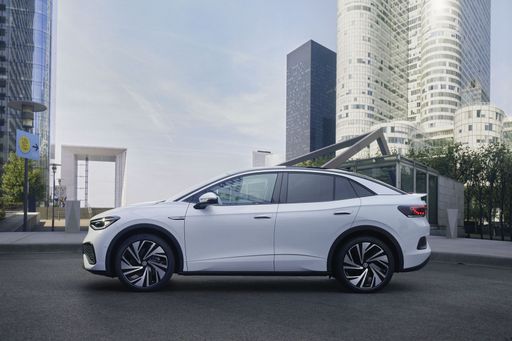
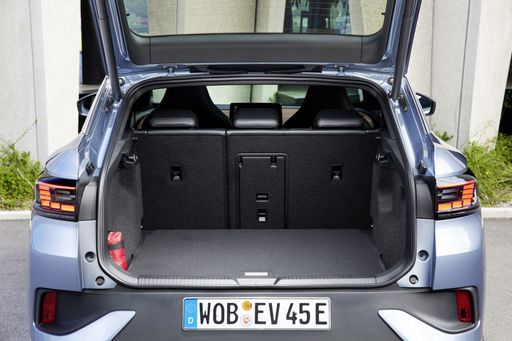
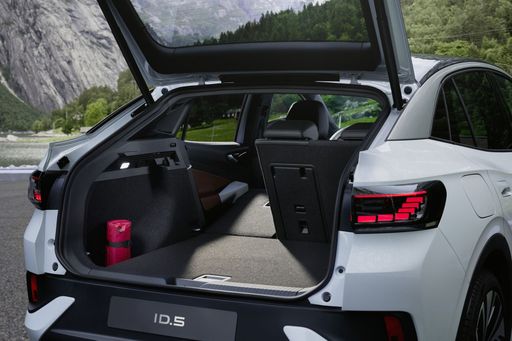
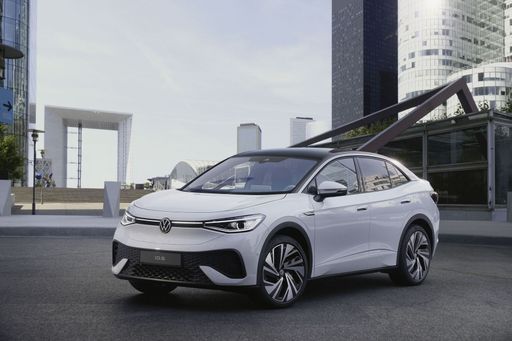
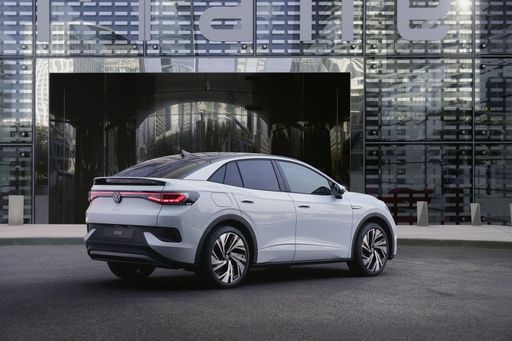
In terms of dimensions, the BMW iX2 measures 4554 mm in length, 1845 mm in width, and stands 1560 mm high. On the other hand, the Volkswagen ID.5 has a slightly longer profile, measuring 4599 mm, with a width of 1852 mm and a height of either 1601 mm or 1618 mm depending on the variant. The ID.5's more spacious trunk offers a capacity of 549 liters, making it a strong option for families or those who require additional cargo space compared to the iX2’s 525 liters.

ID.5

Powertrains and Performance

When it comes to performance, the iX2 offers two power configurations: 204 HP and 313 HP, with 250 Nm of torque for the lower variant and a robust 494 Nm for the higher model. The electric range is impressive, providing up to 459 km for the 204 HP variant and slightly less at 433 km for the 313 HP version, with energy consumption ranging from 15.9 to 16.9 kWh/100km.

On the flip side, the ID.5 shines with a variety of power configurations ranging from 170 to 340 HP. The 340 HP variant produces an astonishing 679 Nm of torque. Notably, the ID.5 can achieve a maximum electric range of up to 563 km with its larger 77 kWh battery, while energy consumption falls between 15.6 to 16.6 kWh/100km. This broad range of choices allows for customization to fit individual driving styles and requirements.

iX2

Acceleration and Speed

Acceleration is another impressive aspect where both models excel. The BMW iX2 can sprint from 0 to 100 km/h in 8.6 seconds for the lower variant and a tantalizing 5.6 seconds for the high-performance model. Meanwhile, the ID.5 offers a competitive acceleration, with the top variant reaching the same mark in just 5.4 seconds, while the 170 HP model takes 8.9 seconds.

In terms of top speed, the BMW iX2 caps out at 170 km/h compared to the ID.5’s higher speed of 180 km/h, giving the Volkswagen model a slight edge in highway performance.

ID.5

Technology and Innovations

Both vehicles are equipped with state-of-the-art technology, but they approach it differently. The BMW iX2 sports a modern, driver-centric cockpit equipped with advanced infotainment systems and connectivity features, including intuitive controls and the latest in driver-assistance systems.

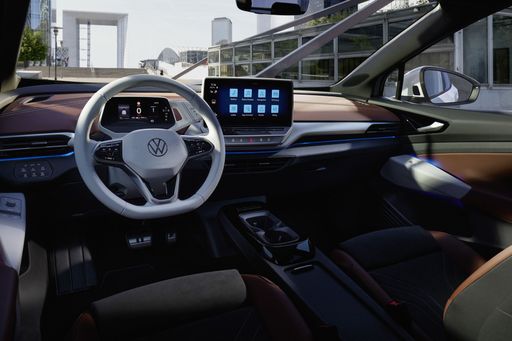
The ID.5, on the other hand, integrates its electronic architecture so seamlessly that it feels like a tech-friendly hub on wheels. With software over-the-air updates, an expansive touchscreen interface, and voice command capabilities, the ID.5 is designed for a tech-savvy audience that appreciates it. In addition, the ID.5's innovative battery management system enhances charging efficiency and extends battery life, a crucial feature for EV enthusiasts.

iX2

Comfort and Practicality

Seating comfort is a critical aspect of any SUV, and both the iX2 and ID.5 come equipped with five spacious seats. The BMW iX2 leans on luxury materials and ergonomic design to provide a comfortable ride, while the ID.5 focuses on spaciousness and user-centric layout to maximize passenger comfort. While the ID.5 presents a slightly higher payload capacity, both vehicles offer practical solutions for everyday use.

ID.5

Conclusion: The Final Verdict

Choosing between the BMW iX2 and the Volkswagen ID.5 ultimately comes down to personal preferences and requirements. The BMW iX2 offers a sporty, engaging driving experience with luxurious touches, while the ID.5 leans into practicality, efficiency, and modern technology. Each vehicle presents a strong case for being the right choice in the burgeoning electric SUV market. Whether you prefer the driving dynamics of BMW or the tech-forward approach of Volkswagen, both models are worthy contenders in their segment.

Here’s where it gets real: The technical differences in detail

ID.5

Costs and Efficiency:

When it comes to price and running costs, the biggest differences usually appear. This is often where you see which car fits your budget better in the long run.

VW ID.5 is slightly cheaper – starting at 36,800 £ , while the BMW iX2 costs 43,700 £ . That’s a price difference of around 6,883 £.

In terms of energy consumption, the BMW iX2 is marginally more efficient: consuming 14.4 kWh/100km compared to 15.7 kWh/100km for the VW ID.5. That’s a difference of about 1.3 kWh/100km.

As for electric range, the VW ID.5 offers marginally more range – reaching up to 559 km, about 47 km more than the BMW iX2.

iX2

Engine and Performance:

Power, torque and acceleration say a lot about how a car feels on the road. This is where you see which model delivers more driving dynamics.

When it comes to engine power, the VW ID.5 offers only slightly more power – delivering 340 HP compared to 313 HP. That’s roughly 27 HP more horsepower.

When accelerating from 0 to 100 km/h, the VW ID.5 is marginally quicker – completing the sprint in 5.4 s, while the BMW iX2 takes 5.6 s. That’s about 0.2 s quicker.

There’s also a difference in torque: the VW ID.5 delivers visibly more torque with 679 Nm compared to 494 Nm. That’s about 185 Nm more.

ID.5

Space and Everyday Use:

Whether family car or daily driver – which one offers more room, flexibility and comfort?

Both vehicles offer seating for 5 people.

In terms of curb weight, BMW iX2 is only slightly lighter – 1,960 kg compared to 1,963 kg. The difference is around 3 kg.

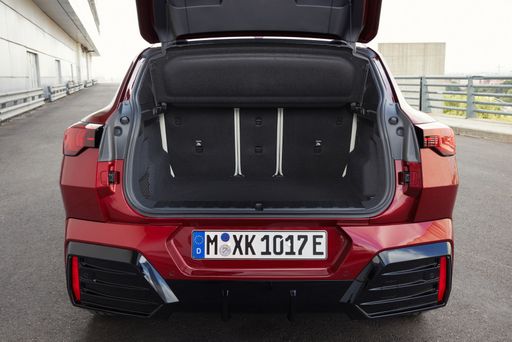
Looking at boot space, the VW ID.5 offers very slightly more boot space – 549 L compared to 525 L. That’s a difference of about 24 L.

When it comes to payload, the VW ID.5 carries very slightly more – 549 kg compared to 510 kg. That’s a difference of about 39 kg.

Who wins the race in the data check?

The VW ID.5 holds a decisive overall lead in the objective data comparison.
This result only shows which model scores more points on paper – not which of the two cars feels right for you.

from £36,800
ID.5

VW ID.5

  • Engine Type : Electric
  • Transmission : Automatic
  • Drive Type : Rear-Wheel Drive, All-Wheel Drive
  • Power HP : 170 - 340 HP
  • Consumption kWh/100km : 15.7 - 16.6 kWh/100km
  • Electric Range : 363 - 559 km
VW ID.5
BMW iX2

Costs and Consumption

View detailed analysis

Engine and Performance

View detailed analysis

Dimensions and Body

View detailed analysis

VW ID.5

VW ID.5 dresses electric power in a sleek, coupe-like profile that turns sensible motoring into something a touch more stylish and smug. Inside it’s spacious and user-friendly, with calm, confidence-inspiring driving that suits buyers who want EV simplicity without the sci‑fi theatrics.

details

BMW iX2

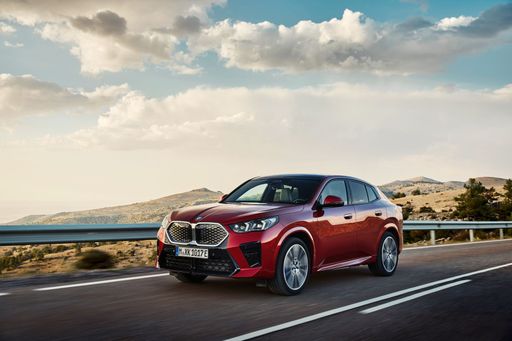
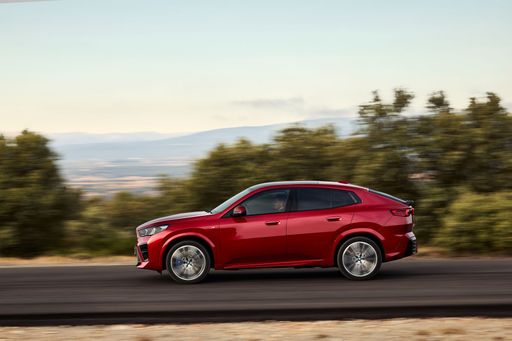
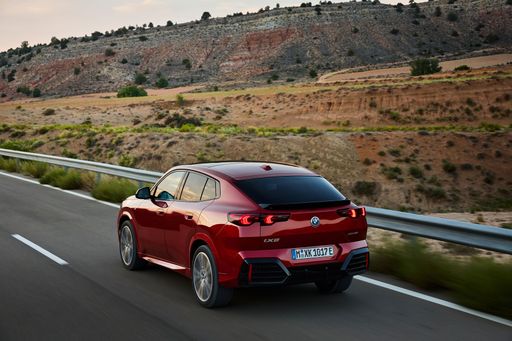
The BMW iX2 cuts a sporty silhouette and delivers the buttoned-up premium feel you expect from the brand, wrapped in a compact electric package that’s easy to live with. It’s a smart pick for buyers who want engaging city driving, clever cabin tech and a touch of eco-conscious flair without giving up the fun behind the wheel.

details
VW ID.5
BMW iX2

Costs and Consumption

Price
36,800 - 48,400 £
Price
43,700 - 55,600 £
Consumption L/100km
-
Consumption L/100km
-
Consumption kWh/100km
15.7 - 16.6 kWh/100km
Consumption kWh/100km
14.4 - 15.4 kWh/100km
Electric Range
363 - 559 km
Electric Range
476 - 512 km
Battery Capacity
52 - 79 kWh
Battery Capacity
-
co2
0 g/km
co2
0 g/km
Fuel tank capacity
-
Fuel tank capacity
-

Dimensions and Body

Body Type
SUV
Body Type
SUV
Seats
5
Seats
5
Doors
5
Doors
-
Curb weight
1,963 - 2,233 kg
Curb weight
1,960 - 2,095 kg
Trunk capacity
549 L
Trunk capacity
525 L
Length
4,582 - 4,599 mm
Length
-
Width
1,852 mm
Width
1,845 mm
Height
1,601 - 1,618 mm
Height
-
Max trunk capacity
1,561 L
Max trunk capacity
-
Payload
517 - 549 kg
Payload
500 - 510 kg

Engine and Performance

Engine Type
Electric
Engine Type
Electric
Transmission
Automatic
Transmission
Automatic
Transmission Detail
Reduction Gearbox
Transmission Detail
Reduction Gearbox
Drive Type
Rear-Wheel Drive, All-Wheel Drive
Drive Type
Front-Wheel Drive, All-Wheel Drive
Power HP
170 - 340 HP
Power HP
204 - 313 HP
Acceleration 0-100km/h
5.4 - 8.9 s
Acceleration 0-100km/h
5.6 - 8.6 s
Max Speed
160 - 180 km/h
Max Speed
-
Torque
310 - 679 Nm
Torque
250 - 494 Nm
Number of Cylinders
-
Number of Cylinders
-
Power kW
125 - 250 kW
Power kW
150 - 230 kW
Engine capacity
-
Engine capacity
-

General

Model Year
2,024 - 2,025
Model Year
2,026
CO2 Efficiency Class
A
CO2 Efficiency Class
A
Brand
VW
Brand
BMW
DriveDuel uses data analysis and artificial intelligence to evaluate vehicle data and create content. Content is regularly reviewed and improved. The displayed prices are estimates based on German list prices, adjusted to the respective country’s VAT. Country-specific registration taxes are not included. This information is not legally binding.