VS

VW ID.7 vs VW ID.4 comparison

Compare performance (340 HP vs 340 HP), boot space and price (46,400 £ vs 34,600 £ ) at a glance. Find out which car is the better choice for you – VW ID.7 or VW ID.4?

VW ID.7 vs VW ID.4: Key differences

VW ID.7

4 (4 Reviews)
rate
  • moderately more efficient
  • a bit more electric range

VW ID.4

4.5 (6 Reviews)
rate
  • visibly cheaper
  • a bit lighter
  • barely more trunk space

All details on performance, efficiency, range and trunk space can be found in the technical comparison below – including user reviews for both models.

ID.7

The Clash of Electric Titans: VW ID.4 Versus VW ID.7

In the rapidly evolving world of electric vehicles (EVs), Volkswagen is making significant strides with their ID. lineup. Today, we explore a detailed comparison between the VW ID.4 and the VW ID.7, two robust contenders in the electric car market. Both models offer cutting-edge technology, impressive performance features, and a commitment to eco-friendliness, yet they cater to slightly different audiences.
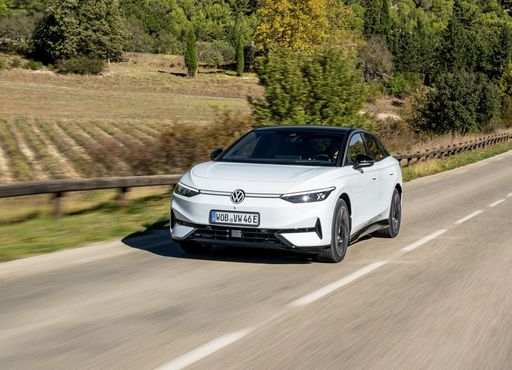
ID.4

Design and Dimensions

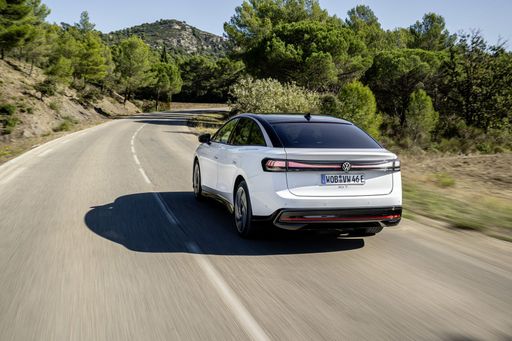
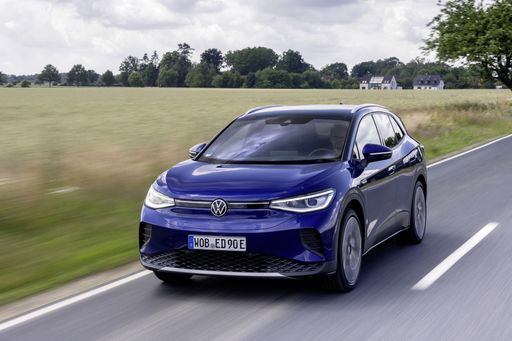
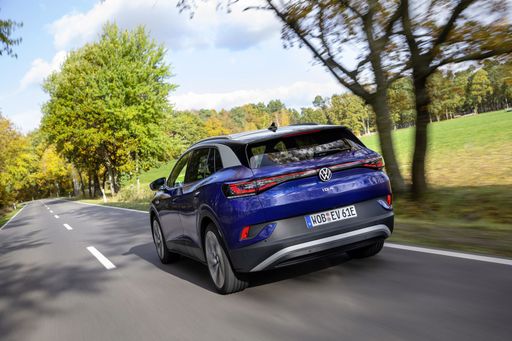
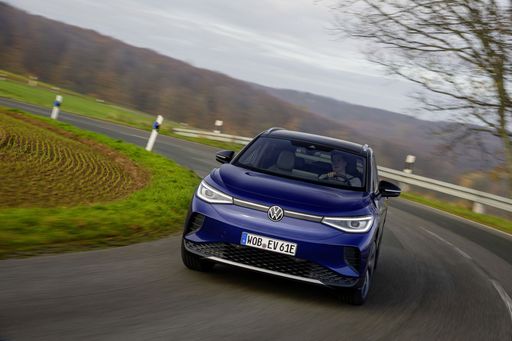
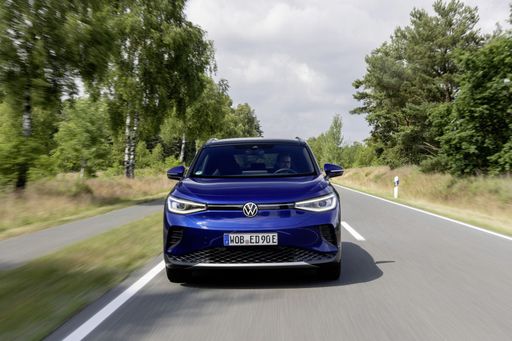
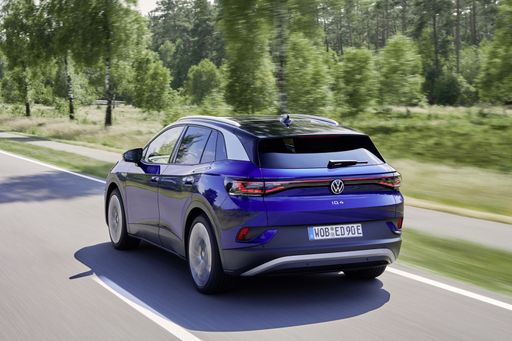
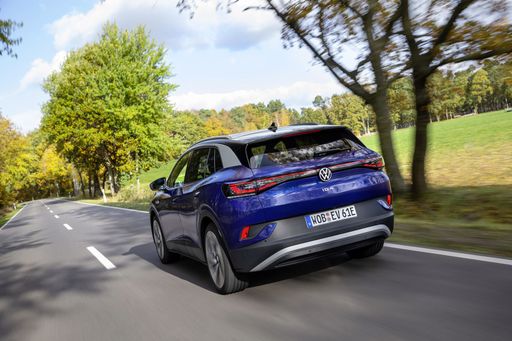
Starting with the exteriors, the VW ID.4 fits the SUV category, boasting a rugged yet sleek aesthetic. With a length of approximately 4584 mm, width of 1852 mm, and height ranging from 1619 to 1634 mm, it provides a spacious feel, ideal for families or adventure lovers. On the other side, the VW ID.7 is a hatchback, exuding an elegant and sporty design with dimensions of 4961 mm in length, 1862 mm in width, and a lower height of about 1535 mm, offering a more aerodynamic profile.

ID.7

Performance and Efficiency

Both the ID.4 and ID.7 are equipped with state-of-the-art electric engines paired with an automatic transmission and a reduction gearbox. They show impressive versatility in drive type, offering both rear-wheel drive and all-wheel drive options. The ID.4 provides an array of power outputs ranging from 170 HP to 340 HP, with a 0-100 km/h acceleration time as low as 5.4 seconds. Its power delivery is complemented by a torque ranging between 310 Nm to 679 Nm, depending on the trim.

The ID.7, however, pushes the boundary with a similar power output but focuses more on efficiency, boasting a prime electric range of up to 708 km compared to the ID.4's maximum of 569 km. This remarkable range is supported by a battery capacity option of 86 kWh, whereas the ID.4 tops out at 77 kWh.

ID.4

Interior and Comfort

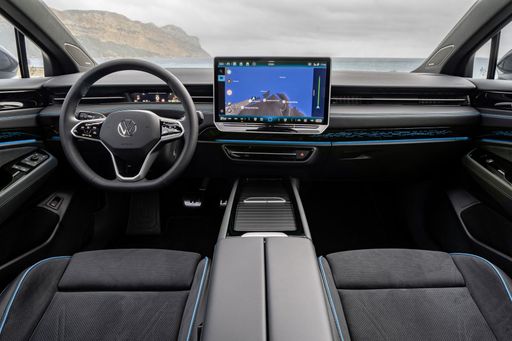
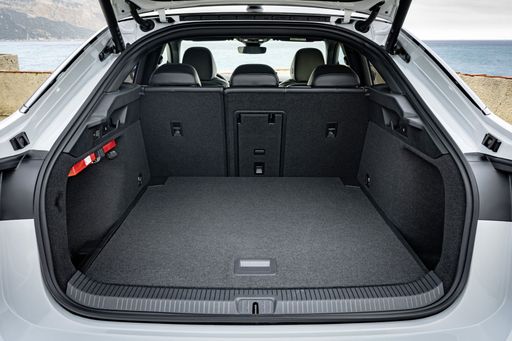
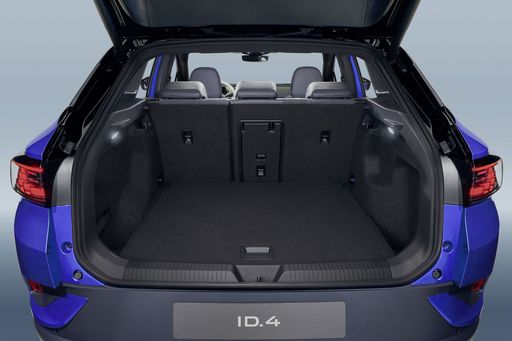
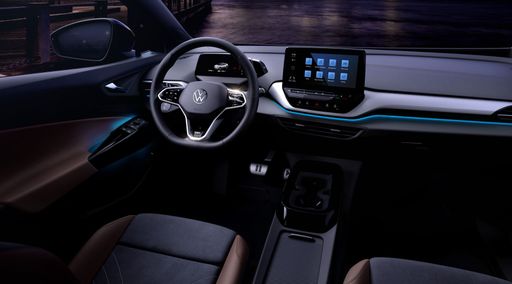
Inside, both models offer a comfortable seating arrangement for five passengers. The ID.4 emphasizes space and utility with a trunk capacity of 543 liters, while the ID.7 sports a slightly smaller trunk space of 532 liters, catering more towards a streamlined and luxurious travel experience. Despite the difference in trunk volume, both models ensure ample room for passengers, making them suitable for various lifestyles from family trips to business commutes.

ID.7

Eco-Friendliness and Innovation

Volkswagen's commitment to sustainability is reflected in both models, each carrying a CO2 efficiency class of A and emitting zero grams of CO2 per kilometer. This aligns with the broader automotive trend towards reducing carbon footprints and promoting green energy.

In terms of technological innovations, both vehicles are equipped with advanced driver assistance systems and infotainment features, ensuring an engaging and safe driving experience.

ID.4

Conclusion

While the VW ID.4 and ID.7 share similarities as electric vehicles with strong environmental credentials, they serve different niches within the market. The ID.4 is tailor-made for those who need an SUV's practical versatility, whereas the ID.7 appeals to those looking for a blend of sedan-like luxury and cutting-edge technology. Ultimately, your choice between these two models will depend on your personal priorities, whether they lean more towards adventure and space or efficiency and elegance.

Video - VW ID.4

Video Thumbnail

Here’s where it gets real: The technical differences in detail

ID.7

Costs and Efficiency:

Price and efficiency are key factors when choosing a car – and this is often where the real differences emerge.

VW ID.4 is visibly cheaper – starting at 34,600 £ , while the VW ID.7 costs 46,400 £ . That’s a price difference of around 11,803 £.

In terms of energy consumption, the VW ID.7 is moderately more efficient: consuming 13.6 kWh/100km compared to 15.6 kWh/100km for the VW ID.4. That’s a difference of about 2 kWh/100km.

As for electric range, the VW ID.7 offers a bit more range – reaching up to 708 km, about 139 km more than the VW ID.4.

ID.4

Engine and Performance:

Under the bonnet, it becomes clear which model is tuned for sportiness and which one takes the lead when you hit the accelerator.

Both models deliver identical power – 340 HP each.

Both models accelerate almost equally fast – 5.4 s from 0 to 100 km/h.

There’s no difference in top speed – both reach 180 km/h.

Both models offer the same torque – 679 Nm.

ID.7

Space and Everyday Use:

Cabin size, boot volume and payload all play a role in everyday practicality. Here, comfort and flexibility make the difference.

Both vehicles offer seating for 5 people.

In terms of curb weight, VW ID.4 is a bit lighter – 1,975 kg compared to 2,180 kg. The difference is around 205 kg.

Looking at boot space, the VW ID.4 offers barely more boot space – 543 L compared to 532 L. That’s a difference of about 11 L.

For maximum load capacity, the VW ID.7 offers barely more capacity – up to 1,586 L, about 11 L more than the VW ID.4.

When it comes to payload, the VW ID.4 carries slightly more – 551 kg compared to 465 kg. That’s a difference of about 86 kg.

Who wins the race in the data check?

The VW ID.4 has only a minor advantage in the objective data comparison.
This result only shows which model scores more points on paper – not which of the two cars feels right for you.

from £34,600
ID.4

VW ID.4

  • Engine Type : Electric
  • Transmission : Automatic
  • Drive Type : Rear-Wheel Drive, All-Wheel Drive
  • Power HP : 170 - 340 HP
  • Consumption kWh/100km : 15.6 - 17 kWh/100km
  • Electric Range : 356 - 569 km
VW ID.7
VW ID.4

Costs and Consumption

View detailed analysis

Engine and Performance

View detailed analysis

Dimensions and Body

View detailed analysis

VW ID.7

VW ID.7 arrives as Volkswagen's electric grand tourer, pairing a low-slung, aerodynamic silhouette with a calm, understated interior that prioritizes comfort and space. It’s a sensible choice for buyers who want a relaxed, high-tech cruiser that covers motorway miles with poise rather than bravado.

details

VW ID.4

The VW ID.4 is a calm, roomy electric SUV that turns everyday driving into a quietly confident experience, its practical packaging and smooth manners tailored perfectly for family life. Volkswagen's solid build and intuitive interior tech mean you get electric practicality without the sci‑fi theatrics, making the ID.4 a sensible, surprisingly likable choice for most buyers.

details
VW ID.7
VW ID.4

Costs and Consumption

Price
46,400 - 54,200 £
Price
34,600 - 47,200 £
Consumption L/100km
-
Consumption L/100km
-
Consumption kWh/100km
13.6 - 16.2 kWh/100km
Consumption kWh/100km
15.6 - 17 kWh/100km
Electric Range
594 - 708 km
Electric Range
356 - 569 km
Battery Capacity
77 - 86 kWh
Battery Capacity
52 - 77 kWh
co2
0 g/km
co2
0 g/km
Fuel tank capacity
-
Fuel tank capacity
-

Dimensions and Body

Body Type
Hatchback
Body Type
SUV
Seats
5
Seats
5
Doors
5
Doors
5
Curb weight
2,180 - 2,325 kg
Curb weight
1,975 - 2,248 kg
Trunk capacity
532 L
Trunk capacity
543 L
Length
4,961 mm
Length
4,582 - 4,584 mm
Width
1,862 mm
Width
1,852 mm
Height
1,535 - 1,536 mm
Height
1,619 - 1,634 mm
Max trunk capacity
1,586 L
Max trunk capacity
1,575 L
Payload
460 - 465 kg
Payload
515 - 551 kg

Engine and Performance

Engine Type
Electric
Engine Type
Electric
Transmission
Automatic
Transmission
Automatic
Transmission Detail
Reduction Gearbox
Transmission Detail
Reduction Gearbox
Drive Type
Rear-Wheel Drive, All-Wheel Drive
Drive Type
Rear-Wheel Drive, All-Wheel Drive
Power HP
286 - 340 HP
Power HP
170 - 340 HP
Acceleration 0-100km/h
5.4 - 6.6 s
Acceleration 0-100km/h
5.4 - 9 s
Max Speed
180 km/h
Max Speed
160 - 180 km/h
Torque
545 - 679 Nm
Torque
310 - 679 Nm
Number of Cylinders
-
Number of Cylinders
-
Power kW
210 - 250 kW
Power kW
125 - 250 kW
Engine capacity
-
Engine capacity
-

General

Model Year
2,023 - 2,024
Model Year
2,023 - 2,025
CO2 Efficiency Class
A
CO2 Efficiency Class
A
Brand
VW
Brand
VW
DriveDuel uses data analysis and artificial intelligence to evaluate vehicle data and create content. Content is regularly reviewed and improved. The displayed prices are estimates based on German list prices, adjusted to the respective country’s VAT. Country-specific registration taxes are not included. This information is not legally binding.