VS

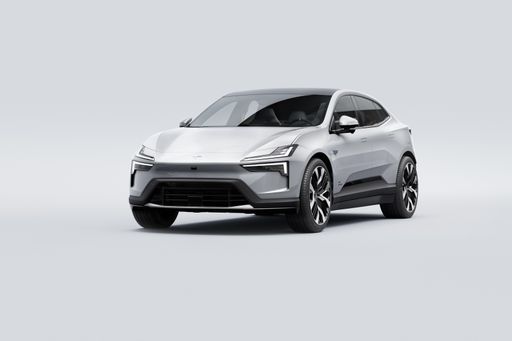
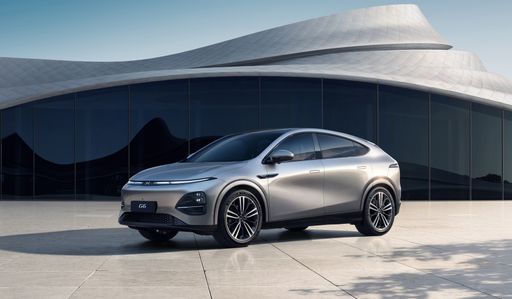
XPeng G6 vs Polestar 4 comparison

Compare performance (487 HP vs 544 HP), boot space and price (37,400 £ vs 53,100 £ ) at a glance. Find out which car is the better choice for you – XPeng G6 or Polestar 4?

XPeng G6 vs Polestar 4: Key differences

XPeng G6

4.5 (7 Reviews)
rate
  • significantly cheaper
  • only slightly more efficient
  • very slightly lighter
  • marginally more trunk space
details

Polestar 4

4.8 (13 Reviews)
rate
  • a bit more power
  • slightly more electric range
  • very slightly quicker 0–100 km/h
details

All details on performance, efficiency, range and trunk space can be found in the technical comparison below – including user reviews for both models.

By Achim Sedelmaier

G6

Polestar 4 VS XPeng G6: a concise matchup for buyers

The Polestar 4 and the XPeng G6 sit in the same crossover‑coupé space but take distinctly different routes to appeal. The Polestar 4 leans into design, cabin calm and a premium, restrained character, whereas the XPeng G6 trades some finesse for aggressive value, rapid charging and broad equipment. Practical differences — rear space, trunk shape, how each deals with long motorway stints and inner‑city tight spots — are what will decide most buyers, not headline specs. Read on to see which car’s compromises match your everyday needs before we dig into the technical details.
4

Character and driving experience

The Polestar 4 feels like a composed cruiser: quiet, steady and biased toward comfort rather than razor‑sharp feedback, so drivers who want a relaxing, assured motorway experience will appreciate it. The XPeng G6 presents as a pragmatic, slightly more utilitarian machine — it’s willing and efficient but never tries to thrill, its steering and chassis tuning keeping things safe and unexciting. Where the Polestar’s refinement masks speed and soothes long runs, the XPeng’s personality is more matter‑of‑fact: quicker to recharge and a touch less forgiving on poor surfaces. If you prize serenity and a more premium steering feel, Polestar 4 leans that way; if you prioritise usefulness and sensible performance in daily life, XPeng G6 leans the other.

G6

Comfort and long‑distance behaviour

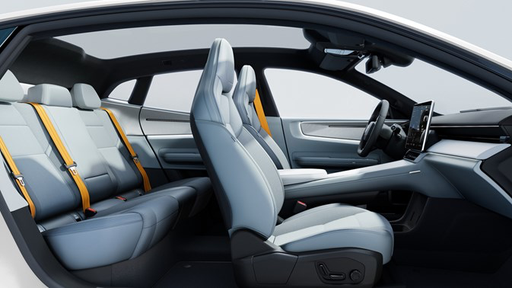
Polestar 4 stakes its claim on seat quality and a hushed cabin that reduces fatigue on long trips, with a rear seat layout that passengers consistently praise for true long‑haul comfort. XPeng G6 also offers a roomy rear and solid touring manners, but its suspension can pick up coarse road texture and the glass roof option can make hot days less pleasant without covers. The practical implication is simple: Polestar 4 makes long miles feel effortless and restorative, while XPeng G6 wins back time through very short charging stops that reduce overall travel downtime. Choose Polestar 4 if you want quiet cruising and plush seats; choose XPeng G6 if you often rely on rapid charging to make long journeys more efficient.

4

City friendliness and everyday usability

In tight urban environments the Polestar 4’s wide stance and larger turning circle are immediately noticeable, so parking in narrow lanes or older city centres requires more care despite helpful cameras and sensors. The XPeng G6 is easier to hustle around town thanks to lighter steering and a slightly nimbler footprint, but its rear visibility and menu‑buried controls can make simple tasks like reversing or adjusting mirrors more fiddly. Both cars hide some functions behind touchscreens, but XPeng’s screen‑centric approach stacks more basics into menus, while Polestar mixes a cleaner layout with occasional menu depth. If your daily routine is urban and stop‑start, XPeng G6 will often feel more pragmatic; if you mostly commute on open roads and value driver aids and clear camera views, Polestar 4 still holds appeal.

Cabin feel, perceived quality and tech experience

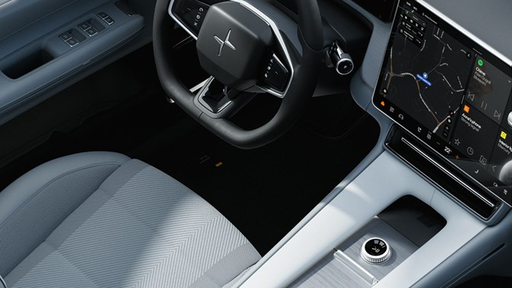
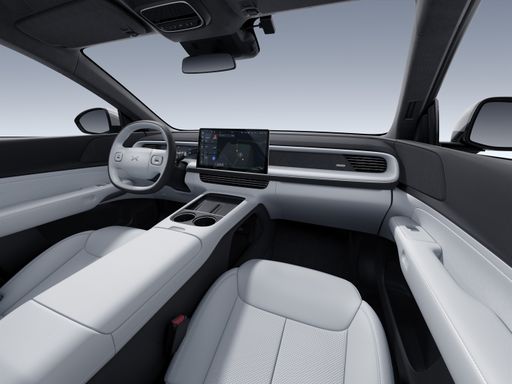
Polestar 4 projects Scandinavian restraint: clean lines, careful materials and an interior that reads as deliberately premium, although some testers note occasional menu distractions and the camera‑instead‑of‑window rear view needs getting used to. XPeng G6 punches above its price with a feature‑rich cabin and slick displays, but closer inspection reveals more hard plastics and a touchscreen interface that can feel sluggish or deeply layered. The consequence is emotional: Polestar 4 feels special to the touch and tranquillity‑focused, while XPeng G6 feels like a smartly equipped appliance that delivers a lot for the money. Warranty and equipment tilt the value argument toward XPeng, but if tactile quality and a calm cabin matter most, Polestar 4 keeps a clear edge.

Buyer fit and the trade‑offs to weigh before the specs

If you’re drawn to design, quiet long runs and a rear seat that doubles as a comfortable retreat, the Polestar 4 is clearly tailored to that life; its compromises are width, a coupé‑style trunk aperture and a camera‑based rear view that some drivers must learn to accept. If you prioritise aggressive value, very short DC charging stops, generous standard kit and a longer warranty, the XPeng G6 is the pragmatic pick, trading off some refinement, touchscreen ergonomics and rear visibility. Think in terms of lifestyle: Polestar 4 suits the style‑ and comfort‑first family or motorway mile eater, XPeng G6 suits the cost‑conscious frequent‑charger and tech‑savvy pragmatist. Next up we’ll break down the technical details — charging behaviour, range implications, power delivery and cargo usability — so you can match those real‑world impressions to the numbers that matter.

Here’s where it gets real: The technical differences in detail

G6

Costs and Efficiency:

Price and efficiency are key factors when choosing a car – and this is often where the real differences emerge.

XPeng G6 is significantly cheaper – starting at 37,400 £ , while the Polestar 4 costs 53,100 £ . That’s a price difference of around 15,686 £.

In terms of energy consumption, the XPeng G6 is only slightly more efficient: consuming 17.3 kWh/100km compared to 17.8 kWh/100km for the Polestar 4. That’s a difference of about 0.5 kWh/100km.

As for electric range, the Polestar 4 offers slightly more range – reaching up to 620 km, about 95 km more than the XPeng G6.

4

Engine and Performance:

Power, torque and acceleration are the classic benchmarks for car enthusiasts – and here, some clear differences start to show.

When it comes to engine power, the Polestar 4 offers a bit more power – delivering 544 HP compared to 487 HP. That’s roughly 57 HP more horsepower.

When accelerating from 0 to 100 km/h, the Polestar 4 is very slightly quicker – completing the sprint in 3.8 s, while the XPeng G6 takes 4.1 s. That’s about 0.3 s quicker.

There’s also a difference in torque: the Polestar 4 delivers only slightly more torque with 686 Nm compared to 660 Nm. That’s about 26 Nm more.

G6

Space and Everyday Use:

Beyond pure performance, interior space and usability matter most in daily life. This is where you see which car is more practical and versatile.

Both vehicles offer seating for 5 people.

In terms of curb weight, XPeng G6 is very slightly lighter – 2,065 kg compared to 2,230 kg. The difference is around 165 kg.

Looking at boot space, the XPeng G6 offers marginally more boot space – 571 L compared to 526 L. That’s a difference of about 45 L.

When it comes to payload, the XPeng G6 carries only slightly more – 475 kg compared to 455 kg. That’s a difference of about 20 kg.

Who wins the race in the data check?

The XPeng G6 holds a slight edge in the objective data comparison.
This result only shows which model scores more points on paper – not which of the two cars feels right for you.

from £37,400
G6

XPeng G6

  • Engine Type Electric
  • Transmission Automatic
  • Drive Type Rear-Wheel Drive, All-Wheel Drive
  • Power HP 252 - 487 HP
  • Consumption kWh/100km 17.3 - 18.4 kWh/100km
  • Electric Range 455 - 525 km
XPeng G6
Polestar 4

Costs and Consumption

View detailed analysis

Engine and Performance

View detailed analysis

Dimensions and Body

View detailed analysis

XPeng G6

The XPeng G6 is a sleek, tech-focused electric crossover that pairs modern styling with a spacious, comfortable cabin. It delivers a refined, engaging driving experience and comes loaded with advanced driver-assistance and infotainment features that make it feel like a smarter, more connected car.

details

Polestar 4

The Polestar 4 wears a coupe-like profile and a Scandinavian-minimal interior that feels premium and unexpectedly roomy, with composed handling that makes urban driving and country roads a pleasure. For buyers who want an electric car that turns heads without shouting, the Polestar 4 is a stylish, clever choice that balances practicality with personality.

details
XPeng G6
Polestar 4

Costs and Consumption

Price
37,400 - 44,200 £
Price
53,100 - 59,900 £
Consumption L/100km
-
Consumption L/100km
-
Consumption kWh/100km
17.3 - 18.4 kWh/100km
Consumption kWh/100km
17.8 - 19 kWh/100km
Electric Range
455 - 525 km
Electric Range
590 - 620 km
Battery Capacity
-
Battery Capacity
-
co2
0 g/km
co2
0 g/km
Fuel tank capacity
-
Fuel tank capacity
-

Dimensions and Body

Body Type
SUV
Body Type
SUV
Seats
5
Seats
5
Doors
-
Doors
-
Curb weight
2,065 - 2,220 kg
Curb weight
2,230 - 2,355 kg
Trunk capacity
571 L
Trunk capacity
526 L
Length
-
Length
-
Width
1,920 mm
Width
2,008 mm
Height
-
Height
-
Max trunk capacity
-
Max trunk capacity
-
Payload
470 - 475 kg
Payload
455 kg

Engine and Performance

Engine Type
Electric
Engine Type
Electric
Transmission
Automatic
Transmission
Automatic
Transmission Detail
Reduction Gearbox
Transmission Detail
Reduction Gearbox
Drive Type
Rear-Wheel Drive, All-Wheel Drive
Drive Type
Rear-Wheel Drive, All-Wheel Drive
Power HP
252 - 487 HP
Power HP
272 - 544 HP
Acceleration 0-100km/h
4.1 - 6.9 s
Acceleration 0-100km/h
3.8 - 7.1 s
Max Speed
-
Max Speed
-
Torque
440 - 660 Nm
Torque
343 - 686 Nm
Number of Cylinders
-
Number of Cylinders
-
Power kW
185 - 358 kW
Power kW
200 - 400 kW
Engine capacity
-
Engine capacity
-

General

Model Year
2025
Model Year
2026
CO2 Efficiency Class
A
CO2 Efficiency Class
A
Brand
XPeng
Brand
Polestar
DriveDuel uses data analysis and artificial intelligence to evaluate vehicle data and create content. Content is regularly reviewed and improved. The displayed prices are estimates based on German list prices, adjusted to the respective country’s VAT. Country-specific registration taxes are not included. This information is not legally binding.