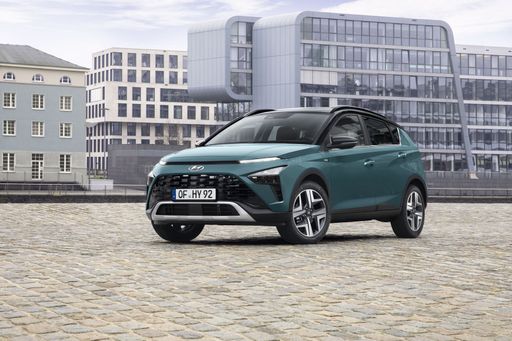
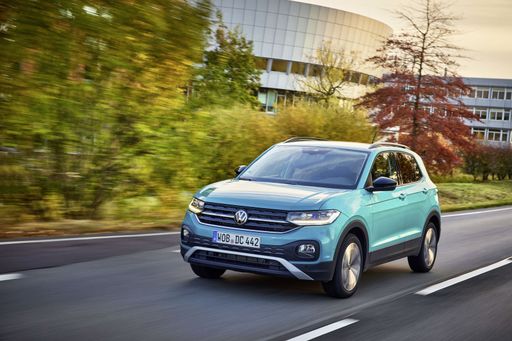
Hyundai Bayon alternatives & comparisons

Here you can find alternatives to the Hyundai Bayon, based on existing comparison pages and popular model matchups. We currently show 6 suitable models as a starting point for your buying decision.

Hyundai Bayon

Alternative models

These models are frequently compared with the Hyundai Bayon and are good next research steps.

from £18,800
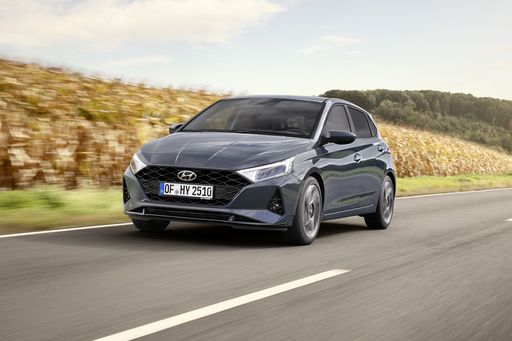
i20

Hyundai i20

  • Engine Type Petrol
  • Transmission Manuel, Automatic
  • Drive Type Front-Wheel Drive
  • Power HP 90 HP
  • Consumption L/100km 5.7 L/100km

Hyundai i20 as a suitable alternative to Hyundai Bayon

Choosing between the Hyundai Bayon and the Hyundai i20 comes down to whether you prefer a compact crossover with higher ride height and extra practicality (Bayon) or a sharper, more efficient hatchback with sportier handling (i20). I’ll compare their space, driving feel, fuel economy and equipment so you can pick the one that best fits your daily needs and budget.

The Hyundai i20 is a cheeky small car that mixes smart styling with sensible practicality, feeling more polished and roomy than you might expect for the money. It’s an easy car to live with, offering engaging handling, a comfy cabin and useful equipment that make daily commutes and weekend errands notably less dull.
Quick data check: Hyundai i20

  • somewhat more trunk space
  • only slightly cheaper
  • marginally more efficient
  • marginally quicker 0–100 km/h
  • very slightly lighter
from £20,400
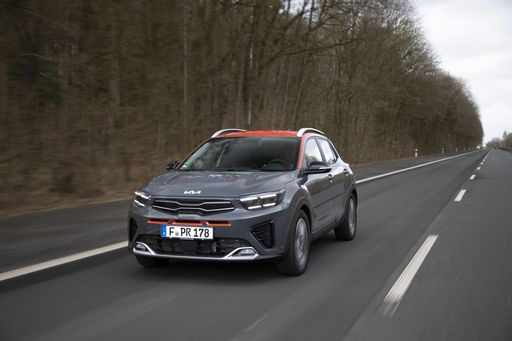
Stonic

Kia Stonic

  • Engine Type Petrol, Petrol MHEV
  • Transmission Manuel, Automatic
  • Drive Type Front-Wheel Drive
  • Power HP 100 - 115 HP
  • Consumption L/100km 5.6 - 5.7 L/100km

Kia Stonic as a suitable alternative to Hyundai Bayon

Small crossover, big decisions: the Hyundai Bayon and Kia Stonic duke it out in the compact SUV ring, each promising city-smarts, style and sensible running costs. One brings bold tech and fresh looks, the other leans on practicality and value — so let’s see which small SUV deserves your keys (and your parking spot).

The Kia Stonic is a compact crossover that pairs nimble city manners with a surprisingly spacious and comfortable cabin. It’s a practical, well-equipped choice for buyers who value sensible features, approachable styling and easy everyday usability.

Quick data check: Kia Stonic

  • barely lighter
  • slightly more trunk space
  • only slightly cheaper
  • visibly more power
  • marginally more efficient
  • moderately quicker 0–100 km/h
from £23,600
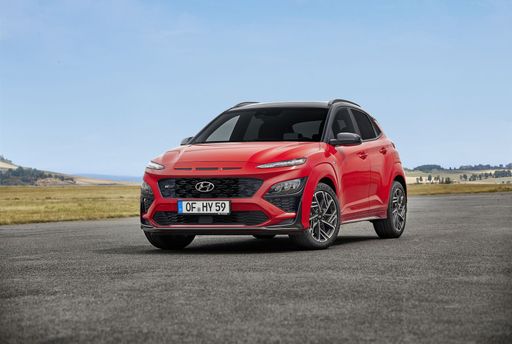
Kona

Hyundai Kona

  • Engine Type Petrol, Full Hybrid, Electric
  • Transmission Manuel, Automatic
  • Drive Type Front-Wheel Drive, All-Wheel Drive
  • Power HP 115 - 204 HP
  • Consumption L/100km 4.6 - 7 L/100km
  • Consumption kWh/100km 14.6 - 16.1 kWh/100km
  • Electric Range 380 - 510 km

Hyundai Kona as a suitable alternative to Hyundai Bayon

The Hyundai Bayon and Hyundai Kona are closely related compact crossovers aimed at buyers who want a small SUV, but they take different approaches to size, style and capability. This comparison will help you decide whether the Bayon’s city-focused practicality and value or the Kona’s wider engine range and roomier, more versatile package better fits your needs.

The Hyundai Kona is a compact crossover that pairs bold styling with practical everyday usability, offering a comfortable cabin and intuitive tech for modern drivers. Available in both conventional and electrified versions, Kona brings lively handling and strong value for buyers who want crossover versatility and standout character.

Quick data check: Hyundai Kona

  • slightly cheaper
  • slightly lighter
  • clearly more power
  • visibly more efficient
  • substantially quicker 0–100 km/h
  • a bit more trunk space
from £24,600
i30

Hyundai i30

  • Engine Type Petrol
  • Transmission Manuel, Automatic
  • Drive Type Front-Wheel Drive
  • Power HP 115 - 150 HP
  • Consumption L/100km 5.9 - 6.3 L/100km

Hyundai i30 as a suitable alternative to Hyundai Bayon

The Hyundai Bayon and Hyundai i30 serve different buyers: the Bayon is a compact crossover offering a taller driving position and SUV-style practicality, while the i30 is a conventional family hatchback focused on sharper handling and on-road refinement. This comparison will help you decide whether the Bayon’s higher ride and versatility or the i30’s tighter dynamics and passenger comfort better match your daily needs.

The Hyundai i30 proves that sensible can also be stylish, offering a confident driving character wrapped in neat, modern design. It serves up a roomy, well-equipped cabin and composed ride that make everyday motoring feel like a clever purchase rather than a compromise.

Quick data check: Hyundai i30

  • slightly cheaper
  • barely more efficient
  • somewhat lighter
  • very slightly more trunk space
  • noticeably more power
  • noticeably quicker 0–100 km/h
from £23,600
Vitara

Suzuki Vitara

  • Engine Type Petrol MHEV, Electric
  • Transmission Automatic, Manuel
  • Drive Type Front-Wheel Drive, All-Wheel Drive
  • Power HP 110 - 184 HP
  • Consumption L/100km 5.3 - 5.8 L/100km
  • Consumption kWh/100km 14.9 - 16.6 kWh/100km
  • Electric Range 344 - 426 km

Suzuki Vitara as a suitable alternative to Hyundai Bayon

The Hyundai Bayon is a city-focused compact crossover, while the Suzuki Vitara is a slightly larger, more conventional compact SUV with the option of all‑wheel drive. This comparison will run through space, comfort, driving character, running costs and equipment to help you pick the better fit for your needs.

The Suzuki Vitara is a practical compact SUV that balances a comfortable, composed ride with easy-to-live-with interior space, making it well suited for daily driving and weekend getaways. It's widely praised for reliable engineering and sensible running costs, offering straightforward value to buyers who want a no-nonsense, economical crossover.

Quick data check: Suzuki Vitara

  • moderately cheaper
  • very slightly lighter
  • very slightly more trunk space
  • significantly more power
  • barely more efficient
  • substantially quicker 0–100 km/h
from £23,900
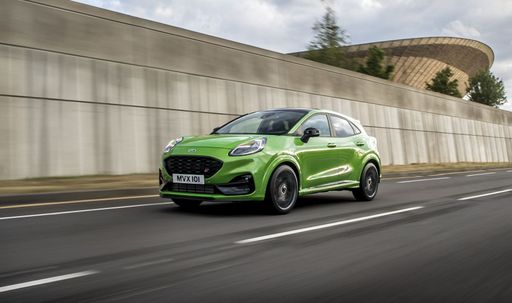
Puma

Ford Puma

  • Engine Type Petrol MHEV, Electric
  • Transmission Manuel, Automatic
  • Drive Type Front-Wheel Drive
  • Power HP 125 - 168 HP
  • Consumption L/100km 5.4 - 5.9 L/100km
  • Consumption kWh/100km 13 - 13.9 kWh/100km
  • Electric Range 404 - 417 km

Ford Puma as a suitable alternative to Hyundai Bayon

Ford Puma and Hyundai Bayon are compact crossover rivals that blend city-friendly dimensions with SUV styling and efficient engines. This quick comparison highlights how they differ in driving feel, cabin practicality, equipment and running costs so you can pick the one that fits your daily needs.

The Ford Puma blends sporty styling with practical everyday usability, making it a smart choice for drivers who want flair without sacrificing versatility. Its engaging driving character and clever interior packaging give it a more dynamic and useful feel than many rivals.

Quick data check: Ford Puma

  • a bit cheaper
  • slightly lighter
  • clearly more power
  • barely more efficient
  • substantially quicker 0–100 km/h
  • noticeably more trunk space
DriveDuel uses data analysis and artificial intelligence to evaluate vehicle data and create content. Content is regularly reviewed and improved. The displayed prices are estimates based on German list prices, adjusted to the respective country’s VAT. Country-specific registration taxes are not included. This information is not legally binding.