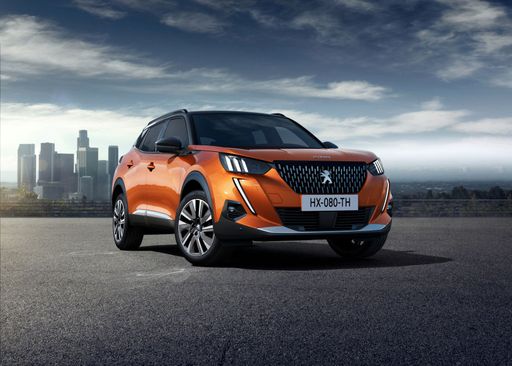
Omoda 5 alternatives & comparisons

Here you can find alternatives to the Omoda 5, based on existing comparison pages and popular model matchups. We currently show 6 suitable models as a starting point for your buying decision.

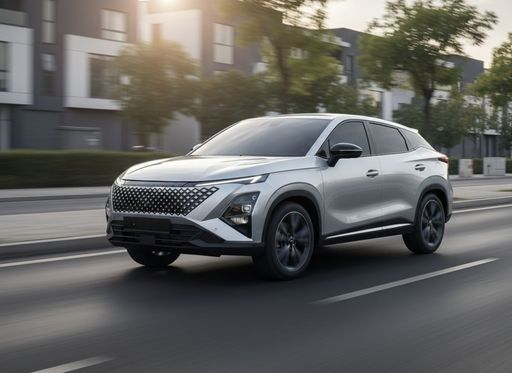
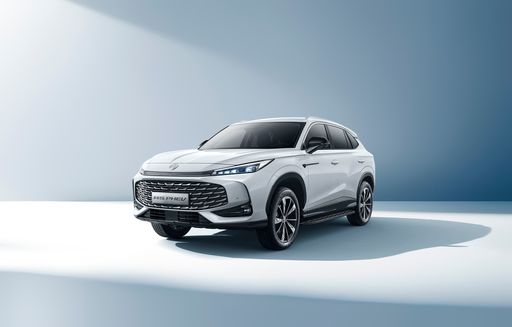
Omoda 5

Alternative models

These models are frequently compared with the Omoda 5 and are good next research steps.

from £18,000
ZS

MG ZS

  • Engine Type Petrol, Full Hybrid
  • Transmission Manuel, Automatic
  • Drive Type Front-Wheel Drive
  • Power HP 116 - 197 HP
  • Consumption L/100km 5.1 - 6.5 L/100km

MG ZS as a suitable alternative to Omoda 5

The MG ZS and Omoda 5 are two popular compact SUVs that target value-conscious buyers with generous equipment and modern styling. This comparison cuts through the marketing to show how they differ in interior space, build quality, driving dynamics and running costs so you can pick the one that fits your needs.

The MG ZS is a compact crossover that delivers strong value with a roomy cabin and straightforward tech, making it a sensible choice for budget-minded buyers. It’s easy to live with, offering comfortable rides and a practical layout that suits daily commutes and family errands.

Quick data check: MG ZS

  • a bit more power
  • moderately quicker 0–100 km/h
  • markedly cheaper
  • very slightly more efficient
  • markedly lighter
  • noticeably more trunk space
from £30,800
Atto 2

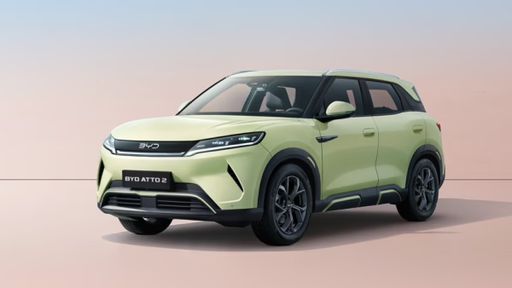
BYD Atto 2

  • Engine Type Plugin Hybrid, Electric
  • Transmission Automatic
  • Drive Type Front-Wheel Drive
  • Power HP 166 - 212 HP
  • Consumption kWh/100km 15.8 - 17.4 kWh/100km
  • Electric Range 40 - 430 km

BYD Atto 2 as a suitable alternative to Omoda 5

The Omoda 5 and BYD Atto 2 are eye-catching compact crossovers that compete on modern styling, tech-packed cabins and strong value for money. This quick comparison will show how they differ in space, equipment, driving character and running costs so you can pick the one that fits your priorities.

The BYD Atto 2 is a stylish compact electric SUV that blends bold exterior design with a roomy, tech-focused interior, making it well suited to daily driving and urban life. It delivers a comfortable ride and practical features that will appeal to buyers looking for a modern, user-friendly EV.

Quick data check: BYD Atto 2

  • markedly cheaper
  • very slightly more power
  • only slightly more efficient
  • very slightly quicker 0–100 km/h
  • barely lighter
  • markedly more trunk space
from £31,300
Tucson

Hyundai Tucson

  • Engine Type Petrol, Full Hybrid, Plugin Hybrid, Diesel MHEV
  • Transmission Manuel, Automatic
  • Drive Type Front-Wheel Drive, All-Wheel Drive
  • Power HP 136 - 288 HP
  • Consumption L/100km 2.7 - 7.6 L/100km
  • Electric Range 63 - 70 km

Hyundai Tucson as a suitable alternative to Omoda 5

The Hyundai Tucson and the Omoda 5 are two compact SUVs that appeal to buyers seeking practicality with distinct personalities — Tucson for proven dependability, Omoda 5 for sharp styling and tech-focused features. This comparison will pinpoint how they differ in space, equipment, driving feel and running costs so you can choose the best fit.

The Hyundai Tucson is a well-rounded compact SUV that blends modern styling with a comfortable, thoughtfully laid-out interior, making it appealing for daily driving and family use. It delivers a calm ride, a generous level of equipment for the price, and sensible practicality, so it's a smart choice if you want a straightforward, dependable crossover without fuss.

Quick data check: Hyundai Tucson

  • markedly cheaper
  • clearly more electric range
  • visibly more power
  • substantially more efficient
  • barely quicker 0–100 km/h
  • very slightly lighter
  • significantly more trunk space
from £25,600
B10

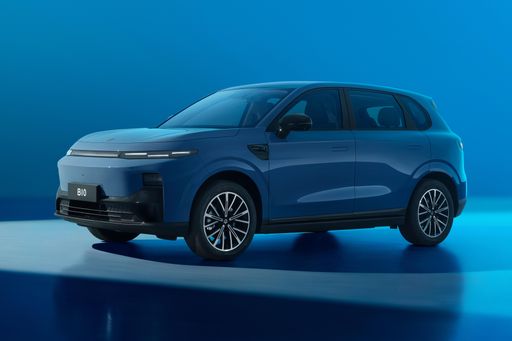
Leapmotor B10

  • Engine Type Plugin Hybrid, Electric
  • Transmission Automatic
  • Drive Type Rear-Wheel Drive
  • Power HP 218 HP
  • Consumption kWh/100km 12 - 17.3 kWh/100km
  • Electric Range 86 - 434 km

Leapmotor B10 as a suitable alternative to Omoda 5

The Omoda 5 and the Leapmotor B10 both promise modern design and advanced tech, but they take different approaches to powertrain, packaging and driving character. This comparison cuts through the marketing to show where each model wins — in comfort, range/efficiency, equipment and overall value — so you can choose the one that matches your daily priorities.

The Leapmotor B10 is a sleek electric sedan that balances a comfortable, spacious cabin with an emphasis on smart technology and everyday usability. It suits buyers who want a modern, practical EV with thoughtful interior design and a calm, composed driving feel.
Quick data check: Leapmotor B10

  • very slightly cheaper
  • very slightly more power
  • barely lighter
  • noticeably more efficient
  • marginally more electric range
  • marginally quicker 0–100 km/h
  • somewhat more trunk space
from £36,800
3008

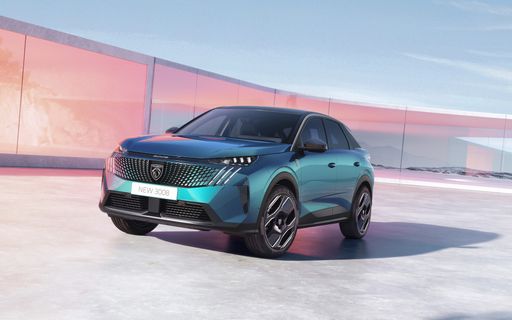
Peugeot 3008

  • Engine Type Electric, Petrol MHEV, Plugin Hybrid
  • Transmission Automatic
  • Drive Type Front-Wheel Drive, All-Wheel Drive
  • Power HP 145 - 325 HP
  • Consumption L/100km 2.4 - 5.3 L/100km
  • Consumption kWh/100km 16.9 - 17.4 kWh/100km
  • Electric Range 81 - 698 km

Peugeot 3008 as a suitable alternative to Omoda 5

Comparing the Omoda 5 and the Peugeot 3008 pits a bold, value-focused newcomer against a more established, refined compact SUV with a stronger brand pedigree. I’ll walk you through the key differences in design, driving dynamics, practicality and features so you can decide which suits your needs and budget best.

The Peugeot 3008 blends striking, modern styling with a comfortable, well-appointed interior that feels more premium than its class. It's practical and composed on the road, with clever storage and driver-focused tech that make it an easy choice for everyday family life or longer, relaxed drives.

Quick data check: Peugeot 3008

  • substantially cheaper
  • very slightly more efficient
  • marginally lighter
  • clearly more power
  • considerably more efficient
  • visibly more electric range
  • noticeably quicker 0–100 km/h
  • visibly more trunk space
from £29,100
C-HR

Toyota C-HR

  • Engine Type Full Hybrid, Plugin Hybrid
  • Transmission Automatic
  • Drive Type Front-Wheel Drive, All-Wheel Drive
  • Power HP 140 - 223 HP
  • Consumption L/100km 2.3 - 5.1 L/100km
  • Electric Range 66 km

Toyota C-HR as a suitable alternative to Omoda 5

The Omoda 5 brings bold, modern styling and a tech-forward package, while the Toyota C‑HR emphasizes distinctive design, proven reliability and a refined hybrid powertrain. This comparison covers practicality, driving character, equipment and running costs to help you decide which compact crossover fits your priorities.

The Toyota C-HR is a bold, coupe-styled crossover that grabs attention with angular lines and a modern interior design. It’s aimed at comfortable urban driving and sensible efficiency, offering practical features and distinctive looks rather than rugged off-road ability.

Quick data check: Toyota C-HR

  • a bit cheaper
  • only slightly more power
  • significantly more electric range
  • clearly more efficient
  • very slightly quicker 0–100 km/h
  • very slightly lighter
  • noticeably more trunk space
DriveDuel uses data analysis and artificial intelligence to evaluate vehicle data and create content. Content is regularly reviewed and improved. The displayed prices are estimates based on German list prices, adjusted to the respective country’s VAT. Country-specific registration taxes are not included. This information is not legally binding.