VS

Audi Q6 e-tron vs Tesla Model Y comparison

Compare performance (490 HP vs 460 HP), boot space and price (54,400 £ vs 34,300 £ ) at a glance. Find out which car is the better choice for you – Audi Q6 e-tron or Tesla Model Y?

Audi Q6 e-tron vs Tesla Model Y: Key differences

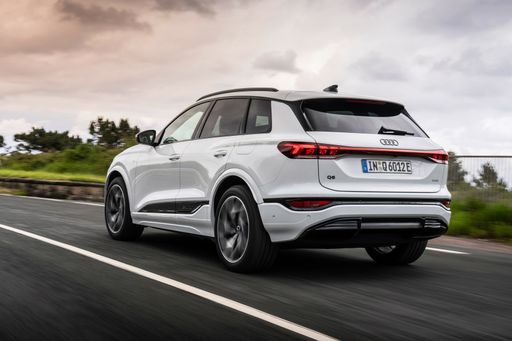
Audi Q6 e-tron

4.9 (3 Reviews)
rate
  • only slightly more power

Tesla Model Y

4.5 (4 Reviews)
rate
  • clearly cheaper
  • clearly more efficient
  • barely more electric range
  • visibly quicker 0–100 km/h
  • somewhat lighter
  • markedly more trunk space

All details on performance, efficiency, range and trunk space can be found in the technical comparison below – including user reviews for both models.

Q6 e-tron

Introduction: The Electric SUV Showdown

In the world of electric SUVs, two titans have emerged: the Audi Q6 e-tron and the Tesla Model Y. Both vehicles boast impressive specifications, cutting-edge technologies, and a commitment to sustainability. This article delves into a detailed comparison of these two remarkable electric machines to help potential buyers make an informed decision.
Model Y

Design and Dimensions

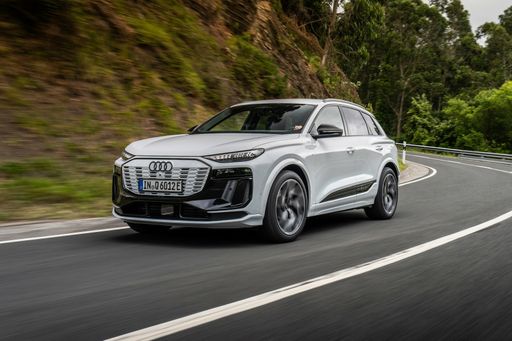
The Audi Q6 e-tron presents itself with the characteristic sleek and upscale design Audi is known for. With a length of 4771 mm, a width of up to 1965 mm, and a height of 1685 mm, it establishes a commanding presence on the road. Its aerodynamic profile not only enhances aesthetics but also contributes to efficiency.

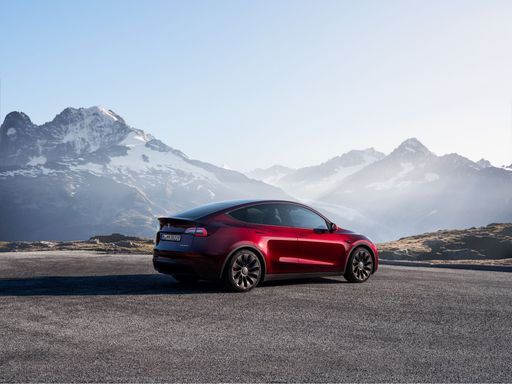
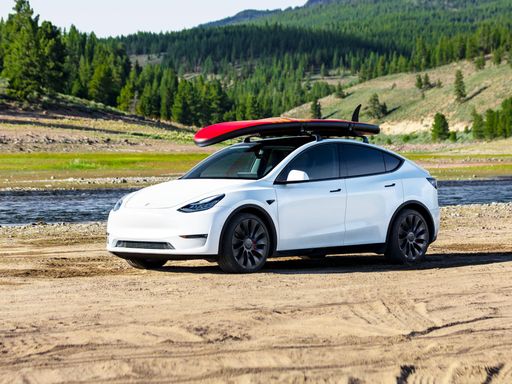
On the other hand, the Tesla Model Y, measuring 4751 mm in length and 1921 mm in width, is slightly smaller but equally appealing. Its height of 1624 mm gives it a sporty look while maximizing interior space. Both vehicles feature five doors, making them practical choices for families and everyday users.

Q6 e-tron

Power and Performance

Performance-wise, the Audi Q6 e-tron offers a range of power outputs with engines producing between 292 HP and 516 HP, providing options for both efficiency and thrill. Its electric range stands out, with some variants capable of traveling up to 656 km on a single charge, making long-distance travels a breeze. Additionally, the Q6 e-tron can accelerate from 0-100 km/h in as little as 4.3 seconds, emphasizing its sporty credentials.

The Tesla Model Y matches this performance pledge with engines boasting between 299 HP and a staggering 534 HP. With an electric range of up to 600 km, it is highly competitive in the long-range battle. The Model Y also offers rapid acceleration, achieving 0-100 km/h in 3.7 seconds in its highest performance variant.

Model Y

Battery and Charging

The Audi Q6 e-tron features battery capacities of 75.8 kWh and 94.9 kWh, ensuring flexibility for different needs. In terms of efficiency, its consumption rates vary between 15.6 to 18.9 kWh/100 km. This efficient energy use provides potential for greater range and lower overall cost of ownership.

Tesla's Model Y, with battery options of 62 kWh and 79 kWh, showcases slightly lower energy consumption rates ranging from 14.9 to 17.3 kWh/100 km. This superior efficiency gives the Model Y an edge, particularly for eco-conscious consumers.

Q6 e-tron

Interior and Technology

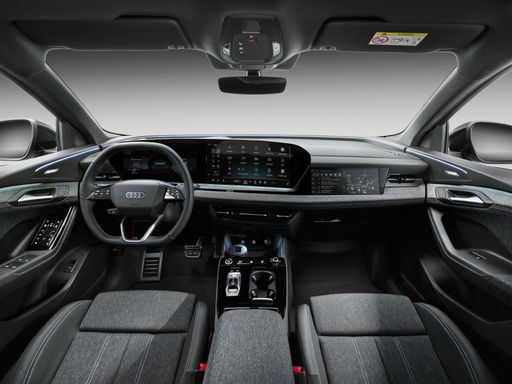
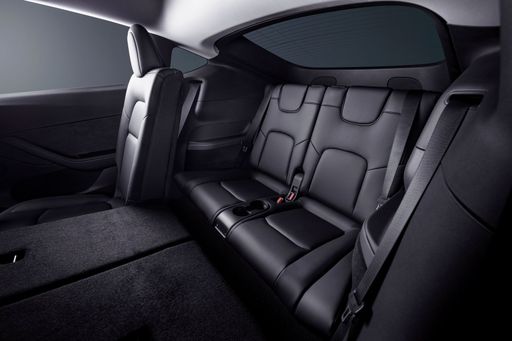
Inside, the Audi Q6 e-tron emphasizes luxury and high-tech functionality with a spacious cabin designed for comfort. Features like a state-of-the-art infotainment system, high-quality sound options, and premium materials define the driving experience. With a trunk capacity of up to 526 liters, space efficiency is a hallmark of this SUV.

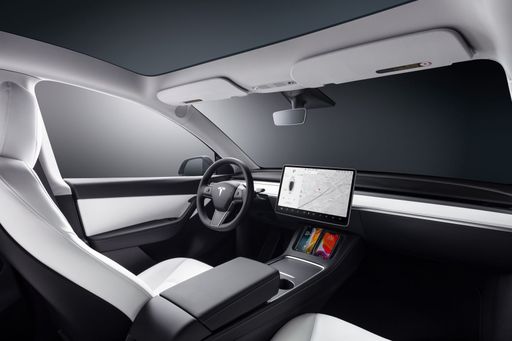
In contrast, the Tesla Model Y is known for its minimalist interior and cutting-edge technology. The massive touchscreen interface dominates the dashboard, providing intuitive control over the vehicle's functions. With a roomy trunk capacity of 854 liters, it also excels in practicality.

Model Y

Safety and Efficiency Class

Both vehicles are designed with safety in mind, achieving a CO2 efficiency class of A, reflecting their environmentally friendly credentials. Features like advanced driver-assistance systems, collision avoidance technologies, and multiple airbags are standard across both models, ensuring driver and passenger safety.

Price and Conclusion

Price varies between the two competitors, with the Audi Q6 e-tron typically positioned in a higher price bracket due to its luxurious features and branding. The Model Y offers a more affordable entry point, making it highly appealing for tech-savvy consumers looking for value.

In conclusion, the Audi Q6 e-tron and Tesla Model Y both bring formidable capabilities to the electric SUV market. Audi owners benefit from luxurious refinement and range, while Tesla advocates appreciate sporty performance and innovative technology. Ultimately, the choice between these two exceptional vehicles will come down to personal preferences and priorities.

Here’s where it gets real: The technical differences in detail

Q6 e-tron

Costs and Efficiency:

Looking at overall running costs, both models reveal some interesting differences in everyday economy.

Tesla Model Y is clearly cheaper – starting at 34,300 £ , while the Audi Q6 e-tron costs 54,400 £ . That’s a price difference of around 20,151 £.

In terms of energy consumption, the Tesla Model Y is clearly more efficient: consuming 12.7 kWh/100km compared to 15.6 kWh/100km for the Audi Q6 e-tron. That’s a difference of about 2.9 kWh/100km.

As for electric range, the Tesla Model Y offers barely more range – reaching up to 657 km, about 1 km more than the Audi Q6 e-tron.

Model Y

Engine and Performance:

Power, torque and acceleration are the classic benchmarks for car enthusiasts – and here, some clear differences start to show.

When it comes to engine power, the Audi Q6 e-tron offers only slightly more power – delivering 490 HP compared to 460 HP. That’s roughly 30 HP more horsepower.

When accelerating from 0 to 100 km/h, the Tesla Model Y is visibly quicker – completing the sprint in 3.5 s, while the Audi Q6 e-tron takes 4.4 s. That’s about 0.9 s quicker.

Looking at top speed, the Audi Q6 e-tron is moderately faster – reaching 230 km/h, while the Tesla Model Y tops out at 201 km/h. The difference is around 29 km/h.

There’s also a difference in torque: the Audi Q6 e-tron delivers markedly more torque with 855 Nm compared to 660 Nm. That’s about 195 Nm more.

Q6 e-tron

Space and Everyday Use:

Beyond pure performance, interior space and usability matter most in daily life. This is where you see which car is more practical and versatile.

Seats: Tesla Model Y offers more seats – 7 vs 5.

In terms of curb weight, Tesla Model Y is somewhat lighter – 1,953 kg compared to 2,200 kg. The difference is around 247 kg.

Looking at boot space, the Tesla Model Y offers markedly more boot space – 822 L compared to 526 L. That’s a difference of about 296 L.

For maximum load capacity, the Tesla Model Y offers markedly more capacity – up to 2,138 L, about 609 L more than the Audi Q6 e-tron.

When it comes to payload, the Audi Q6 e-tron carries a bit more – 540 kg compared to 472 kg. That’s a difference of about 68 kg.

Who wins the race in the data check?

The Tesla Model Y is decisively ahead in the objective data comparison.
This result only shows which model scores more points on paper – not which of the two cars feels right for you.

from £34,300
Model Y

Tesla Model Y

  • Engine Type : Electric
  • Transmission : Automatic
  • Drive Type : All-Wheel Drive, Rear-Wheel Drive
  • Power HP : 299 - 460 HP
  • Consumption kWh/100km : 12.7 - 16.2 kWh/100km
  • Electric Range : 534 - 657 km
Audi Q6 e-tron
Tesla Model Y

Costs and Consumption

View detailed analysis

Engine and Performance

View detailed analysis

Dimensions and Body

View detailed analysis

Audi Q6 e-tron

The Audi Q6 e-tron balances sleek, coupe-like styling with a roomy, upscale interior that feels modern without being showy. It delivers refined electric performance and smart tech that make daily driving effortless — the sort of EV that might make petrolheads grudgingly admit they fancy the future.

details

Tesla Model Y

The Tesla Model Y blends SUV practicality with sports-car poke, wrapping a roomy, minimalist cabin and handy hatch into a slick, aerodynamic package that feels more Silicon Valley gadget than garage ornament. It’s an ideal pick for buyers who want effortless electric driving, regular software improvements and access to Tesla’s convenient charging network, though style-conscious shoppers should know it’s more about tech and efficiency than classic luxury.

details
Audi Q6 e-tron
Tesla Model Y

Costs and Consumption

Price
54,400 - 82,500 £
Price
34,300 - 53,100 £
Consumption L/100km
-
Consumption L/100km
-
Consumption kWh/100km
15.6 - 18.4 kWh/100km
Consumption kWh/100km
12.7 - 16.2 kWh/100km
Electric Range
529 - 656 km
Electric Range
534 - 657 km
Battery Capacity
75.8 - 94.9 kWh
Battery Capacity
64.5 - 83 kWh
co2
0 g/km
co2
0 g/km
Fuel tank capacity
-
Fuel tank capacity
-

Dimensions and Body

Body Type
SUV
Body Type
SUV
Seats
5
Seats
5 - 7
Doors
5
Doors
5
Curb weight
2,200 - 2,425 kg
Curb weight
1,953 - 2,108 kg
Trunk capacity
499 - 526 L
Trunk capacity
822 L
Length
4,771 mm
Length
4,790 - 4,797 mm
Width
1,939 - 1,965 mm
Width
1,920 - 1,921 mm
Height
1,665 - 1,685 mm
Height
1,621 - 1,624 mm
Max trunk capacity
1,361 - 1,529 L
Max trunk capacity
2,118 - 2,138 L
Payload
540 kg
Payload
435 - 472 kg

Engine and Performance

Engine Type
Electric
Engine Type
Electric
Transmission
Automatic
Transmission
Automatic
Transmission Detail
Reduction Gearbox
Transmission Detail
Reduction Gearbox
Drive Type
Rear-Wheel Drive, All-Wheel Drive
Drive Type
All-Wheel Drive, Rear-Wheel Drive
Power HP
252 - 490 HP
Power HP
299 - 460 HP
Acceleration 0-100km/h
4.4 - 7.6 s
Acceleration 0-100km/h
3.5 - 7.2 s
Max Speed
210 - 230 km/h
Max Speed
201 km/h
Torque
450 - 855 Nm
Torque
420 - 660 Nm
Number of Cylinders
-
Number of Cylinders
-
Power kW
185 - 360 kW
Power kW
220 - 338 kW
Engine capacity
-
Engine capacity
-

General

Model Year
2,024 - 2,025
Model Year
2,025 - 2,026
CO2 Efficiency Class
A
CO2 Efficiency Class
A
Brand
Audi
Brand
Tesla
DriveDuel uses data analysis and artificial intelligence to evaluate vehicle data and create content. Content is regularly reviewed and improved. The displayed prices are estimates based on German list prices, adjusted to the respective country’s VAT. Country-specific registration taxes are not included. This information is not legally binding.