VS

BMW iX3 vs BMW iX1 comparison

Compare performance (469 HP vs 313 HP), boot space and price (54,300 £ vs 42,300 £ ) at a glance. Find out which car is the better choice for you – BMW iX3 or BMW iX1?

BMW iX3 vs BMW iX1: Key differences

BMW iX3

4.6 (4 Reviews)
rate
  • clearly more power
  • visibly more electric range
  • slightly quicker 0–100 km/h
details

BMW iX1

4.5 (5 Reviews)
rate
  • clearly cheaper
  • barely more efficient
  • clearly lighter
details

All details on performance, efficiency, range and trunk space can be found in the technical comparison below – including user reviews for both models.

By Achim Sedelmaier

iX3

BMW iX1 vs BMW iX3: the real‑world choice

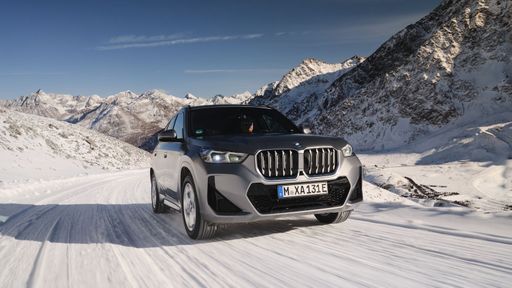
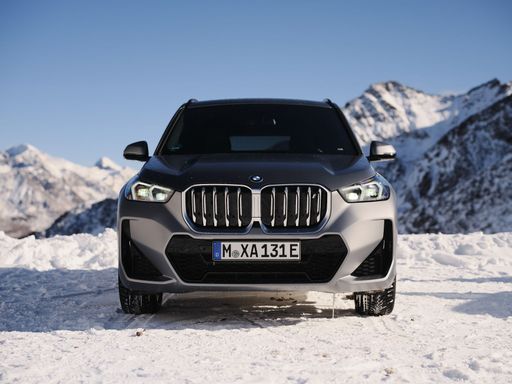
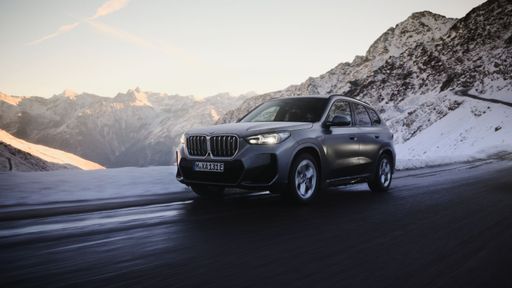
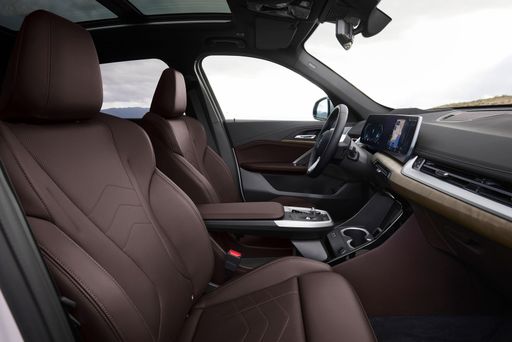
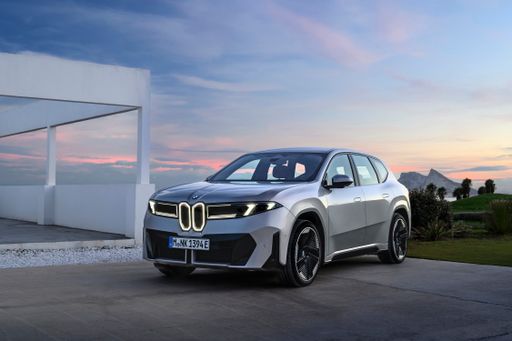
The BMW iX1 and BMW iX3 target the same premium EV buyer but deliver very different daily experiences. In the BMW iX1 VS BMW iX3 matchup, one leans compact and easygoing, the other grand‑touring and tech‑forward. The iX1 feels like a neatly packaged, high‑quality commuter with family‑proof practicality, while the iX3 comes across as the more serene distance machine with cutting‑edge driver assistance. Your decision hinges on how often you travel far, how much cabin space you actually use, and how much you value rapid charging and futuristic interfaces. Think of it as nimble premium utility versus big‑car calm and range confidence.
iX1

Driving character: agile confidence or grand‑tourer calm

The BMW iX1 feels lighter on its feet, with tidy body control and a willing turn‑in that suits tight streets and back‑road links. The BMW iX3 brings noticeably stronger shove and a more relaxed stride, prioritizing stability and effortless progress over playfulness. On rougher surfaces the iX1 can read a touch firmer—especially on larger wheels—where the iX3 settles into a longer‑legged, quieter rhythm. Both are secure and composed, but the emphasis differs: iX1 for a sense of agility and ease, iX3 for unflustered, big‑car refinement. If you enjoy a brisk, compact feel, the iX1 entertains; if you want hushed speed with fewer nerves, the iX3 obliges.

iX3

Long‑distance comfort and charging: one clearly travels farther, faster

The BMW iX3 is built for the motorway: it cruises more quietly, goes farther per stop, and its rapid‑charge capability gets you back on the road swiftly. The BMW iX1 is confident at speed and pleasantly quiet, but its charging pace and usable range ask for a bit more planning and slightly longer coffee breaks. Add the iX3’s advanced hands‑off assistance and the miles simply melt away with less effort. If regular cross‑country trips are your norm, the iX3 feels like the right tool; if most journeys are regional with occasional long hauls, the iX1 remains perfectly workable. In short, the iX3 owns the electric SUV long‑distance brief, while the iX1 keeps costs and complexity in check.

iX1

Cabin feel and tech: classic premium vibe vs. futuristic interface

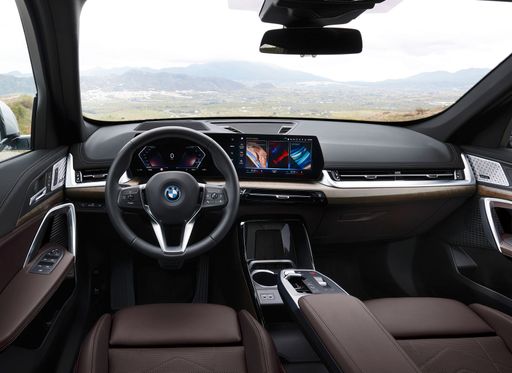
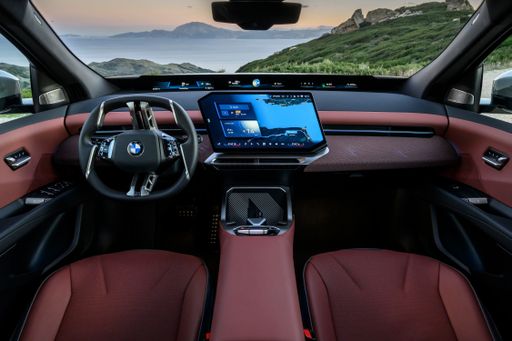
Inside, the BMW iX1 leans into familiar BMW virtues: dense materials, solid assembly and a premium vibe that reassures from the first touch. The BMW iX3 looks and feels more avant‑garde, with a panoramic display concept and a stronger reliance on voice control that reduces distraction once you learn the system. Both route key functions through the screen, but the iX1’s loss of a rotary controller may irk traditionalists, while the iX3’s climate-in‑screen approach adds a short learning curve. Day to day, tinkerers and tech‑savvy drivers will gel faster with the iX3; those who want immediate, quietly luxurious normality may prefer the iX1’s atmosphere. If you prize next‑gen UX, the iX3 leads; if you want effortless interior quality with minimal acclimatization, the iX1 feels right.

iX3

Space and practicality: family room or compact cleverness

The BMW iX3 offers a genuinely roomy second row with a flat floor, a bigger luggage bay, and even a small front trunk for charging cables or muddy kit. Its load area is generous, though the folding mechanism and floor geometry aren’t quite the last word in loading perfection. The BMW iX1 is more compact outside but remains properly useful, with a well‑shaped boot and a flexible 40:20:40 backrest that swallows pushchairs, skis or dogs without drama. It lacks a sliding rear bench and a front compartment, yet it feels thoughtfully packaged for daily family life. If maximum passenger space and cargo flexibility matter, the iX3 makes it easier; if you value clever packaging in a smaller footprint, the iX1 satisfies.

iX1

City manners and ownership fit: size, price and day‑to‑day ease

In town, the BMW iX1’s smaller footprint and lighter feel take the stress out of narrow streets and tight car parks, although its turning circle is larger than you might expect. The BMW iX3’s extra width and weight ask for more space awareness, but its smooth power delivery and cameras keep it friendly once you adjust. The iX1 also undercuts the iX3 by a meaningful margin, making it the value‑savvy premium choice for commuters and young families. The iX3 justifies its premium with standout charging speed, range and assistance that pay off on every long trip. If your life is mostly urban and suburban, the iX1 hits the sweet spot; if your calendar is peppered with long motorway stints and full‑car weekends, the iX3 is the natural pick as you head into the technical comparison.

Here’s where it gets real: The technical differences in detail

iX3

Costs and Efficiency:

Price and efficiency are key factors when choosing a car – and this is often where the real differences emerge.

BMW iX1 is clearly cheaper – starting at 42,300 £ , while the BMW iX3 costs 54,300 £ . That’s a price difference of around 12,000 £.

In terms of energy consumption, the BMW iX1 is barely more efficient: consuming 14.3 kWh/100km compared to 14.6 kWh/100km for the BMW iX3. That’s a difference of about 0.3 kWh/100km.

As for electric range, the BMW iX3 offers visibly more range – reaching up to 805 km, about 291 km more than the BMW iX1.

iX1

Engine and Performance:

Under the bonnet, it becomes clear which model is tuned for sportiness and which one takes the lead when you hit the accelerator.

When it comes to engine power, the BMW iX3 offers clearly more power – delivering 469 HP compared to 313 HP. That’s roughly 156 HP more horsepower.

When accelerating from 0 to 100 km/h, the BMW iX3 is slightly quicker – completing the sprint in 4.9 s, while the BMW iX1 takes 5.6 s. That’s about 0.7 s quicker.

There’s also a difference in torque: the BMW iX3 delivers noticeably more torque with 645 Nm compared to 494 Nm. That’s about 151 Nm more.

iX3

Space and Everyday Use:

Beyond pure performance, interior space and usability matter most in daily life. This is where you see which car is more practical and versatile.

Both vehicles offer seating for 5 people.

In terms of curb weight, BMW iX1 is clearly lighter – 1,940 kg compared to 2,360 kg. The difference is around 420 kg.

When it comes to payload, the BMW iX1 carries barely more – 495 kg compared to 465 kg. That’s a difference of about 30 kg.

Who wins the race in the data check?

The BMW iX3 is clearly superior overall in the objective data comparison.
This result only shows which model scores more points on paper – not which of the two cars feels right for you.

from £54,300
iX3

BMW iX3

  • Engine Type : Electric
  • Transmission : Automatic
  • Drive Type : All-Wheel Drive, Rear-Wheel Drive
  • Power HP : 320 - 469 HP
  • Consumption kWh/100km : 14.6 - 15.1 kWh/100km
  • Electric Range : 635 - 805 km
BMW iX3
BMW iX1

Costs and Consumption

View detailed analysis

Engine and Performance

View detailed analysis

Dimensions and Body

View detailed analysis

BMW iX3

The BMW iX3 brings BMW's familiar SUV poise into the electric era, blending restrained styling and a comfortable, composed ride that will please traditionalists dipping their toes into electrification. It's quiet, practical and rather grown-up about going electric — a sensible choice for buyers who want BMW driving manners without the drama.

details

BMW iX1

The BMW iX1 wraps BMW's electric ambition into a compact SUV package that feels unexpectedly premium, with sharp handling and a crisp, modern cabin that keeps the driver in charge. It's ideal for buyers who want a stylish, quiet daily driver with useful practicality and tech-savvy touches — plus enough character to make the commute feel less like a chore and more like a short joyride.

details
BMW iX3
BMW iX1

Costs and Consumption

Price
54,300 - 66,300 £
Price
42,300 - 55,200 £
Consumption L/100km
-
Consumption L/100km
-
Consumption kWh/100km
14.6 - 15.1 kWh/100km
Consumption kWh/100km
14.3 - 15.7 kWh/100km
Electric Range
635 - 805 km
Electric Range
466 - 514 km
Battery Capacity
-
Battery Capacity
-
co2
0 g/km
co2
0 g/km
Fuel tank capacity
-
Fuel tank capacity
-

Dimensions and Body

Body Type
SUV
Body Type
SUV
Seats
5
Seats
5
Doors
-
Doors
-
Curb weight
2,360 kg
Curb weight
1,940 - 2,085 kg
Trunk capacity
-
Trunk capacity
490 L
Length
-
Length
-
Width
1,895 mm
Width
1,845 mm
Height
-
Height
-
Max trunk capacity
-
Max trunk capacity
-
Payload
465 kg
Payload
495 kg

Engine and Performance

Engine Type
Electric
Engine Type
Electric
Transmission
Automatic
Transmission
Automatic
Transmission Detail
Reduction Gearbox
Transmission Detail
Reduction Gearbox
Drive Type
All-Wheel Drive, Rear-Wheel Drive
Drive Type
Front-Wheel Drive, All-Wheel Drive
Power HP
320 - 469 HP
Power HP
204 - 313 HP
Acceleration 0-100km/h
4.9 - 5.9 s
Acceleration 0-100km/h
5.6 - 8.6 s
Max Speed
-
Max Speed
-
Torque
500 - 645 Nm
Torque
250 - 494 Nm
Number of Cylinders
-
Number of Cylinders
-
Power kW
235 - 345 kW
Power kW
150 - 230 kW
Engine capacity
-
Engine capacity
-

General

Model Year
2026
Model Year
2026
CO2 Efficiency Class
A
CO2 Efficiency Class
A
Brand
BMW
Brand
BMW
DriveDuel uses data analysis and artificial intelligence to evaluate vehicle data and create content. Content is regularly reviewed and improved. The displayed prices are estimates based on German list prices, adjusted to the respective country’s VAT. Country-specific registration taxes are not included. This information is not legally binding.