VS

BMW iX3 vs XPeng G6 comparison

Compare performance (469 HP vs 487 HP), boot space and price (54,300 £ vs 37,400 £ ) at a glance. Find out which car is the better choice for you – BMW iX3 or XPeng G6?

BMW iX3 vs XPeng G6: Key differences

BMW iX3

4.6 (4 Reviews)
rate
  • slightly more efficient
  • clearly more electric range
details

XPeng G6

4.7 (6 Reviews)
rate
  • considerably cheaper
  • marginally more power
  • moderately quicker 0–100 km/h
  • a bit lighter
details

All details on performance, efficiency, range and trunk space can be found in the technical comparison below – including user reviews for both models.

By Achim Sedelmaier

iX3

BMW iX3 vs XPeng G6 — quick buyer primer

BMW iX3 and XPeng G6 present two very different answers to the question “what should a modern electric family SUV be?” The iX3 leans into premium refinement, long-distance calm and a new minimalist cockpit, while the XPeng G6 trades some fine detail for aggressive value, generous kit and rear-seat comfort. If you type “BMW iX3 VS XPeng G6” into a search you’re likely weighing long-range composure against Ausstattung and everyday practicality. Below we strip away specs and focus on how each car will actually feel day to day for real buyers.
G6

Character and driving feel

The BMW iX3 drives like a composed motorway specialist: tauter steering, clever chassis control and a hushed cabin that makes long fast stretches effortless. The XPeng G6 is less about steering feedback and more about relaxed acceleration and usability — it pulls confidently but without the communicative edge that enthusiasts expect. That difference is tangible on a twisty back road, where the iX3 feels engaged and the G6 simply keeps you comfortable and moving. Choose the iX3 if you want driving finesse; pick the G6 if you prefer a calm, unflappable cruiser with strong straight-line shove.

iX3

Comfort and long-distance behavior

On motorways the BMW iX3 stands out for its low cabin noise and efficient energy use, which translates into fewer stops and less travel fatigue on long trips. The XPeng G6 rewards long-distance drivers differently: rapid recharge sessions and roomy, reclining rear seats mean practical travel times even if its real-world range is shorter. Where the iX3 soothes through refinement, the G6 compensates with quick pit stops and a rear seat that passengers will appreciate on multi-hour runs. If your priority is absolute quiet and fewer interruptions, lean BMW; if you regularly rely on fast chargers and want to maximize passenger comfort, the XPeng makes sense.

G6

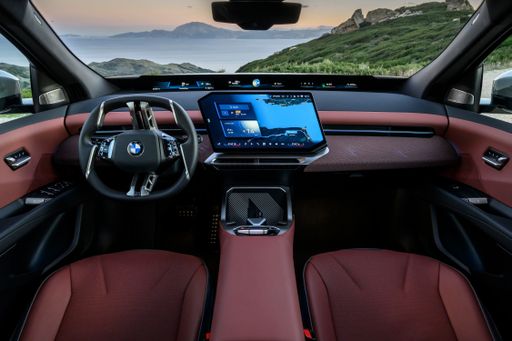
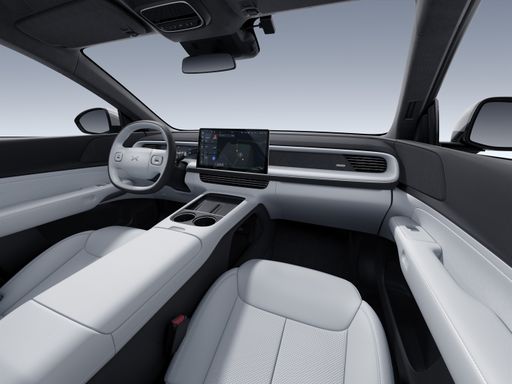
Cabin, controls and perceived quality

The BMW iX3’s interior projects premium restraint — high-quality finishes, a widescreen “panoramic” display and polished graphics that feel upscale, albeit with fewer physical buttons than some drivers like. The XPeng G6 delivers a modern, well-equipped cabin with lots of tech for the money, but many everyday controls are nested in touch menus and the driver’s display is more modest. That trade-off shows up in daily use: the iX3 feels more refined and ceremonious, the G6 more gadget-rich and occasionally fiddly. If tactile ergonomics and perceived luxury matter, the iX3 wins on feel; if you prefer head-turning kit and a strong value impression, the G6 wins on substance per pound.

iX3

Practicality, city use and day-to-day usability

Both cars seat five comfortably, but they solve space differently: the XPeng G6 offers abundant rear legroom and adjustable seatbacks that make family life easy, whereas the BMW iX3 gives a more versatile cargo setup and useful extras like a front storage area that some buyers appreciate. In the city the G6’s lighter feel and lower sticker price make it an attractive, cost-conscious choice, though its narrow rear visibility and small wiper demand care when parking. The iX3’s assistance systems and comprehensive cameras help mitigate its wider footprint, but you pay for that refinement. Put simply: XPeng is pragmatic and family-friendly for urban routines, BMW is more deliberately engineered for mixed use and heavier-duty needs like towing or long boot loads.

Who should consider each car — buyer fit and next steps

If your driving life is long motorways, you prize cabin quiet, and you want premium materials plus a tech-forward yet understated cockpit, the BMW iX3 is the more natural fit. If you want the most equipment for your money, generous rear-seat space, strong warranty cover and the convenience of extremely short charging stops on longer trips, the XPeng G6 will likely suit you better. Each car targets a clear buyer: iX3 for the premium long-distance commuter and driving-focused family, G6 for the value-focused, tech-hungry household that prioritises practicality and low purchase cost. Below the technical comparison we’ll unpack how range, charging behaviour, power delivery and weight translate into those real-world choices so you can match figures to your lifestyle.

Here’s where it gets real: The technical differences in detail

iX3

Costs and Efficiency:

When it comes to price and running costs, the biggest differences usually appear. This is often where you see which car fits your budget better in the long run.

XPeng G6 is considerably cheaper – starting at 37,400 £ , while the BMW iX3 costs 54,300 £ . That’s a price difference of around 16,971 £.

In terms of energy consumption, the BMW iX3 is slightly more efficient: consuming 14.6 kWh/100km compared to 17.3 kWh/100km for the XPeng G6. That’s a difference of about 2.7 kWh/100km.

As for electric range, the BMW iX3 offers clearly more range – reaching up to 805 km, about 280 km more than the XPeng G6.

G6

Engine and Performance:

Power, torque and acceleration are the classic benchmarks for car enthusiasts – and here, some clear differences start to show.

When it comes to engine power, the XPeng G6 offers marginally more power – delivering 487 HP compared to 469 HP. That’s roughly 18 HP more horsepower.

When accelerating from 0 to 100 km/h, the XPeng G6 is moderately quicker – completing the sprint in 4.1 s, while the BMW iX3 takes 4.9 s. That’s about 0.8 s quicker.

There’s also a difference in torque: the XPeng G6 delivers very slightly more torque with 660 Nm compared to 645 Nm. That’s about 15 Nm more.

iX3

Space and Everyday Use:

Whether family car or daily driver – which one offers more room, flexibility and comfort?

Both vehicles offer seating for 5 people.

In terms of curb weight, XPeng G6 is a bit lighter – 2,065 kg compared to 2,360 kg. The difference is around 295 kg.

When it comes to payload, the XPeng G6 carries very slightly more – 475 kg compared to 465 kg. That’s a difference of about 10 kg.

Who wins the race in the data check?

The XPeng G6 has the upper hand in the objective data comparison.
This result only shows which model scores more points on paper – not which of the two cars feels right for you.

from £37,400
G6

XPeng G6

  • Engine Type Electric
  • Transmission Automatic
  • Drive Type Rear-Wheel Drive, All-Wheel Drive
  • Power HP 252 - 487 HP
  • Consumption kWh/100km 17.3 - 18.4 kWh/100km
  • Electric Range 455 - 525 km
BMW iX3
XPeng G6

Costs and Consumption

View detailed analysis

Engine and Performance

View detailed analysis

Dimensions and Body

View detailed analysis

BMW iX3

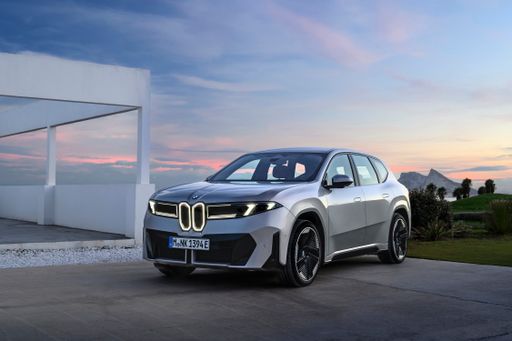
The BMW iX3 is an electric SUV that delivers the composed, premium driving experience BMW buyers expect. With a calm, refined cabin and practical everyday usability, it’s a strong choice for those who want electric motoring without giving up luxury and comfort.

details

XPeng G6

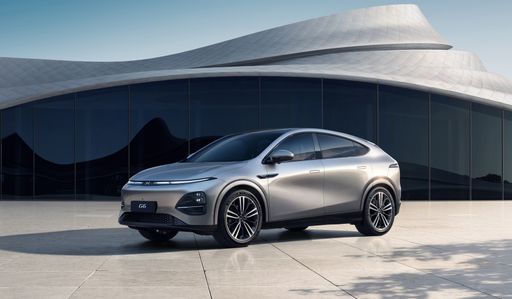
The XPeng G6 is a sleek, tech-focused electric crossover that pairs modern styling with a spacious, comfortable cabin. It delivers a refined, engaging driving experience and comes loaded with advanced driver-assistance and infotainment features that make it feel like a smarter, more connected car.

details
BMW iX3
XPeng G6

Costs and Consumption

Price
54,300 - 66,300 £
Price
37,400 - 44,200 £
Consumption L/100km
-
Consumption L/100km
-
Consumption kWh/100km
14.6 - 15.1 kWh/100km
Consumption kWh/100km
17.3 - 18.4 kWh/100km
Electric Range
635 - 805 km
Electric Range
455 - 525 km
Battery Capacity
-
Battery Capacity
-
co2
0 g/km
co2
0 g/km
Fuel tank capacity
-
Fuel tank capacity
-

Dimensions and Body

Body Type
SUV
Body Type
SUV
Seats
5
Seats
5
Doors
-
Doors
-
Curb weight
2,360 kg
Curb weight
2,065 - 2,220 kg
Trunk capacity
-
Trunk capacity
571 L
Length
-
Length
-
Width
1,895 mm
Width
1,920 mm
Height
-
Height
-
Max trunk capacity
-
Max trunk capacity
-
Payload
465 kg
Payload
470 - 475 kg

Engine and Performance

Engine Type
Electric
Engine Type
Electric
Transmission
Automatic
Transmission
Automatic
Transmission Detail
Reduction Gearbox
Transmission Detail
Reduction Gearbox
Drive Type
All-Wheel Drive, Rear-Wheel Drive
Drive Type
Rear-Wheel Drive, All-Wheel Drive
Power HP
320 - 469 HP
Power HP
252 - 487 HP
Acceleration 0-100km/h
4.9 - 5.9 s
Acceleration 0-100km/h
4.1 - 6.9 s
Max Speed
-
Max Speed
-
Torque
500 - 645 Nm
Torque
440 - 660 Nm
Number of Cylinders
-
Number of Cylinders
-
Power kW
235 - 345 kW
Power kW
185 - 358 kW
Engine capacity
-
Engine capacity
-

General

Model Year
2026
Model Year
2025
CO2 Efficiency Class
A
CO2 Efficiency Class
A
Brand
BMW
Brand
XPeng
DriveDuel uses data analysis and artificial intelligence to evaluate vehicle data and create content. Content is regularly reviewed and improved. The displayed prices are estimates based on German list prices, adjusted to the respective country’s VAT. Country-specific registration taxes are not included. This information is not legally binding.