
 Deutschland
 France
 Nederland
 Great Britain
 Sverige
 Norge
Norge Danmark
 Suomi
Suomi Italia
 Polska
 España
VS
Ford Focus Turnier vs Dacia Bigster – Differences & prices compared
Compare performance, boot space, consumption and price in one view.
Find out now: which car is the better choice for you – Ford Focus Turnier or Dacia Bigster?
The Ford Focus Turnier (Estate) comes with a Petrol MHEV, Diesel or Petrol engine and Manuel or Automatic transmission. In comparison, the Dacia Bigster (SUV) features a Petrol MHEV, Full Hybrid or LPG engine with Manuel or Automatic transmission.
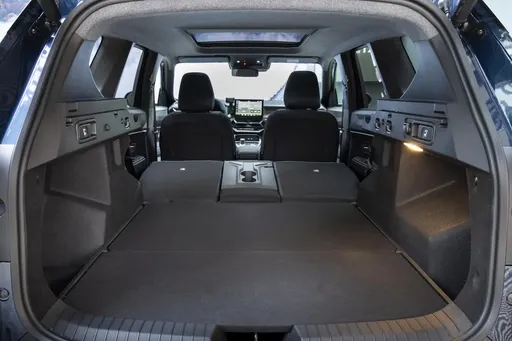
When it comes to boot capacity, the Ford Focus Turnier offers 635 L, while the Dacia Bigster provides 667 L – depending on how much space you need. If you’re looking for more power, decide whether the 280 HP of the Ford Focus Turnier or the 155 HP of the Dacia Bigster suits your needs better.
In terms of consumption, the values are 5 L per 100 km for the Ford Focus Turnier, and 4.70 L for the Dacia Bigster.
Price-wise, the Ford Focus Turnier starts at 28500 £, while the Dacia Bigster is available from 20600 £. Compare all the details and find out which model fits your lifestyle best!
Ford Focus Turnier
The Ford Focus Turnier elegantly combines practicality with style, offering ample space for families and adventurers alike. Its sleek design and refined interior deliver a comfortable driving experience, enhanced by cutting-edge technology. With its dynamic handling and efficient performance, it's a highly appealing choice for those seeking a reliable yet sophisticated estate vehicle.
details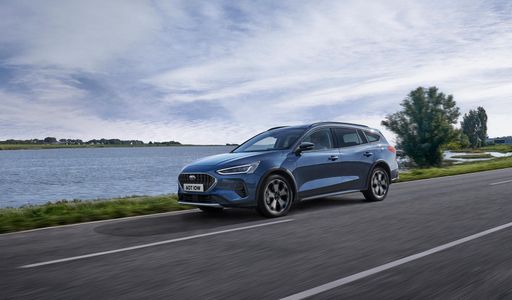 @ focus.fordpresskits.com
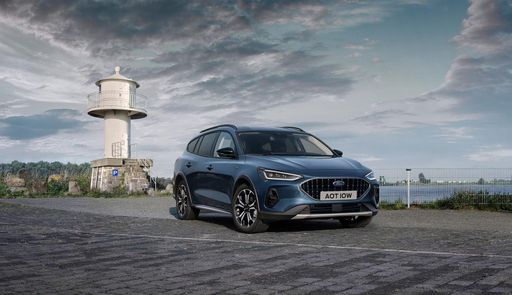 @ focus.fordpresskits.com
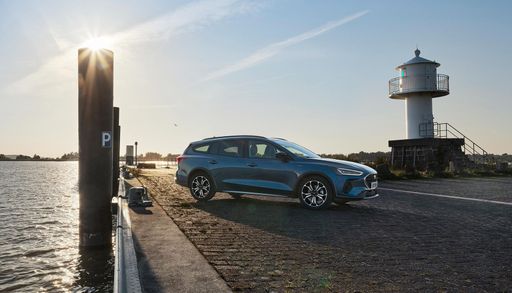 @ focus.fordpresskits.com
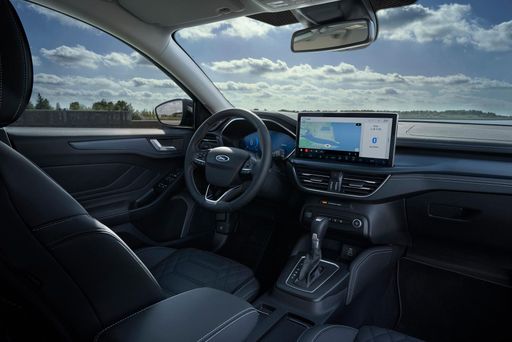 @ focus.fordpresskits.com
Dacia Bigster
The Bigster is poised to redefine the SUV segment with its bold design and spacious interior, catering to the needs of both families and adventure seekers alike. Emphasizing sustainability and practicality, this model reflects a modern approach to automotive engineering, making it a compelling choice for environmentally conscious drivers. With its striking presence on the road, the Bigster not only captures attention but also embodies a new era of versatile mobility.
details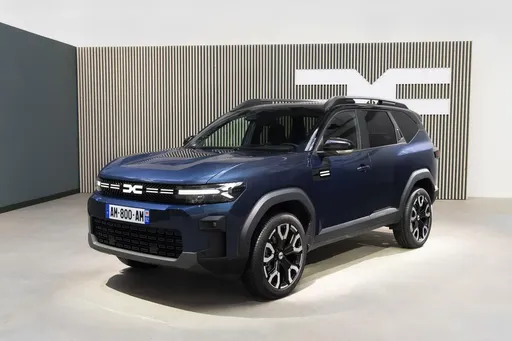 @ media.renault.at
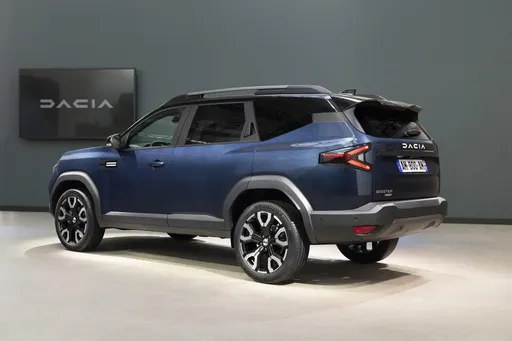 @ media.renault.at
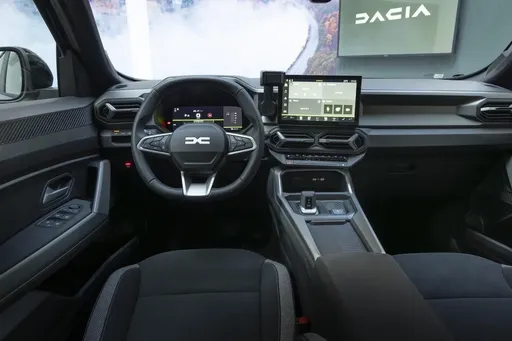 @ media.renault.at
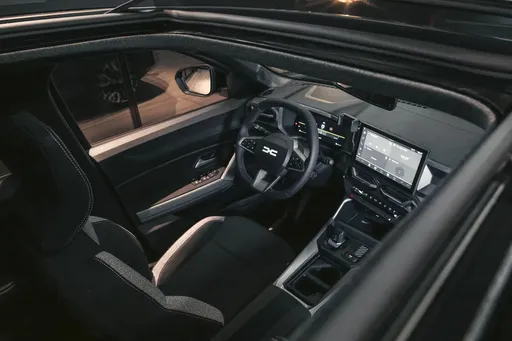 @ media.renault.at
 @ media.renault.at
Ford Focus Turnier
Dacia Bigster
|
|
|
|
|
|
Costs and Consumption |
|
|---|---|
|
Price
28500 - 39900 £
|
Price
20600 - 26600 £
|
|
Consumption L/100km
5 - 8 L
|
Consumption L/100km
4.7 - 7.1 L
|
|
Consumption kWh/100km
-
|
Consumption kWh/100km
-
|
|
Electric Range
-
|
Electric Range
-
|
|
Battery Capacity
-
|
Battery Capacity
-
|
|
co2
120 - 183 g/km
|
co2
106 - 137 g/km
|
|
Fuel tank capacity
52 L
|
Fuel tank capacity
50 - 55 L
|
Dimensions and Body |
|
|---|---|
|
Body Type
Estate
|
Body Type
SUV
|
|
Seats
5
|
Seats
5
|
|
Doors
5
|
Doors
5
|
|
Curb weight
1413 - 1563 kg
|
Curb weight
1425 - 1547 kg
|
|
Trunk capacity
608 - 635 L
|
Trunk capacity
510 - 667 L
|
|
Length
4672 - 4693 mm
|
Length
4570 mm
|
|
Width
1825 - 1844 mm
|
Width
1813 mm
|
|
Height
1459 - 1504 mm
|
Height
1705 mm
|
|
Payload
523 - 557 kg
|
Payload
383 - 467 kg
|
Engine and Performance |
|
|---|---|
|
Engine Type
Petrol MHEV, Diesel, Petrol
|
Engine Type
Petrol MHEV, Full Hybrid, LPG
|
|
Transmission
Manuel, Automatic
|
Transmission
Manuel, Automatic
|
|
Transmission Detail
Manual Gearbox, Dual-Clutch Automatic, Automatic Gearbox
|
Transmission Detail
Manual Gearbox, Automated Manual
|
|
Drive Type
Front-Wheel Drive
|
Drive Type
All-Wheel Drive, Front-Wheel Drive
|
|
Power HP
115 - 280 HP
|
Power HP
130 - 155 HP
|
|
Acceleration 0-100km/h
5.8 - 12.1 s
|
Acceleration 0-100km/h
9.7 - 11.2 s
|
|
Max Speed
184 - 250 km/h
|
Max Speed
180 km/h
|
|
Torque
170 - 420 Nm
|
Torque
230 Nm
|
|
Number of Cylinders
3 - 4
|
Number of Cylinders
3 - 4
|
|
Power kW
85 - 206 kW
|
Power kW
96 - 115 kW
|
|
Engine capacity
999 - 2261 cm3
|
Engine capacity
1199 - 1799 cm3
|
General |
|
|---|---|
|
Model Year
2023 - 2024
|
Model Year
2025
|
|
CO2 Efficiency Class
D, G
|
CO2 Efficiency Class
E, D, C
|
|
Brand
Ford
|
Brand
Dacia
|
Ford Focus Turnier
The Ford Focus Turnier: Where Practicality Meets Innovation
The Ford Focus Turnier has long been a staple in the family car market, combining practicality with contemporary design and innovative technology. With its spacious interior, efficient engine options, and cutting-edge features, the Focus Turnier stands out as a versatile choice for families and driving enthusiasts alike.
State-of-the-Art Engine Options
The Focus Turnier boasts an impressive range of engine choices catering to various needs and preferences. The lineup includes advanced 1.0-litre EcoBoost hybrid petrol engines and robust 1.5-litre EcoBlue diesel engines, offering a balance of performance and fuel efficiency. The petrol models are equipped with mild-hybrid technology, enhancing fuel economy and reducing emissions.
Drivers can choose between a manual gearbox or the smooth automatic transmission, ensuring a tailored driving experience. The engines deliver power ranging from 115 to a sporty 280 PS, making the Focus Turnier adaptable to both urban commutes and long-distance travels.
Remarkable Performance and Efficiency
The Focus Turnier is not just about being practical; it delivers an engaging driving experience. With a top speed between 184 and 250 km/h and acceleration from 0-100 km/h in as quick as 5.8 seconds, there is no compromise on performance. At the same time, the range offers fuel efficiency as low as 5.0 L/100km, making it an economical choice for daily driving.
Moreover, the range includes options with CO2 emissions as low as 120 g/km, appealing to environmentally conscious drivers. The CO2 efficiency ratings are between D and G, ensuring compliance with various environmental regulations.
Versatile and Spacious Design
The design of the Ford Focus Turnier is centred on functionality without forgoing style. Its substantial dimensions provide ample cabin and boot space, with the latter offering between 608 to 635 litres to accommodate family needs and weekend adventures. The spacious interior comfortably seats five passengers with a flexible load capacity accommodating up to 1,653 litres when the rear seats are folded down.
Its exterior dimensions range from 4672 mm to 4693 mm in length, providing a commanding presence on the road while also ensuring enough room for cargo and passengers.
Innovative Technology and Safety Features
Ford's commitment to innovation is evident in the Focus Turnier's suite of technology features. The infotainment system, equipped with an intuitive touchscreen, supports SYNC 3, Apple CarPlay, and Android Auto, keeping drivers connected and entertained effortlessly. Advanced driver assistance systems such as adaptive cruise control, lane-keeping assist, and autonomous emergency braking further enhance safety and convenience.
For added peace of mind, the Focus Turnier includes standard and optional features like parking assistance and blind-spot monitoring, which are crucial for safe urban manoeuvring.
Conclusion: A Versatile Choice for Modern Drivers
The Ford Focus Turnier seamlessly blends practicality with innovative features and robust performance, making it an excellent choice for modern drivers seeking a versatile, family-friendly vehicle. Its wide array of engine options, stylish design, and cutting-edge technology position it as a leader in its class, meeting the diverse needs of today's driving challenges.
Dacia Bigster
Introducing the Dacia Bigster: A Game Changer in the SUV Market
The Dacia Bigster is poised to redefine the landscape of compact SUVs with its striking design, innovative technologies, and a variety of powertrains that cater to a broad range of consumers. As the automotive world continues to shift towards sustainability without compromising performance, the Bigster stands out with its thoughtful engineering and modern features.
Striking Design and Practicality
From the moment you lay eyes on the Bigster, you can see that it was designed with purpose. Its robust silhouette, bold front fascia, and wide stance convey a sense of strength and stability. With dimensions of 4570 mm in length, 1813 mm in width, and standing 1705 mm tall, the Bigster offers a spacious cabin that comfortably accommodates five passengers. Coupled with a trunk capacity ranging from 546 to 667 liters, this SUV is as practical as it is stylish, making it perfect for both city driving and outdoor adventures.
Powerful and Efficient Engines
The Dacia Bigster offers a range of engine options designed to meet diverse consumer needs. The line-up includes two petrol MHEV variants: the TCe 130 and TCe 140, both available in front-wheel drive and all-wheel drive configurations. These engines not only deliver robust performance, with outputs between 130 and 140 HP, but also prioritize fuel efficiency, achieving consumption figures as low as 5.5 liters per 100 kilometers.
For those seeking an eco-friendlier option, the Bigster also features a Full Hybrid variant, the Hybrid 155, which offers an impressive 155 HP with a fuel efficiency rating of just 4.7 L/100 km. Additionally, the ECO-G 140 LPG variant allows for even more cost-effective driving without sacrificing power, catering especially to environmentally conscious consumers.
Innovative Technology Enhancements
The Dacia Bigster is equipped with an array of advanced technological features aimed at enhancing the driving experience. Its comprehensive infotainment system integrates a user-friendly interface with smartphone connectivity, ensuring that drivers can stay connected while on the road. Safety has also been prioritized, with features such as advanced driver assistance systems designed to keep both the driver and passengers secure.
Performance Meets Efficiency
Performance is a central theme in the Bigster's engineering. The SUV boasts a range of acceleration times, with the TCe 130 reaching 0-100 km/h in approximately 11.2 seconds and the TCe 140 doing so in a swift 9.8 seconds. The Hybrid model enhances this performance even further, offering a 0-100 km/h time of just 9.7 seconds. With a maximum speed of 180 km/h, the Bigster is not only capable but also thrilling to drive.
Comfort and Versatility
Inside, the Dacia Bigster emphasizes comfort and versatility with a roomy cabin that features high-quality materials and modern finishes. The SUV is designed with adjustable seating configurations and ample legroom, making it ideal for both daily commutes and longer journeys. It's also worth mentioning that the vehicle's curb weights range from 1425 kg to 1503 kg, optimized for performance and efficiency.
Conclusion: The Future of Driving with Dacia Bigster
The Dacia Bigster is more than just a new SUV; it represents a significant step forward in blending efficiency, performance, and practicality in an ever-evolving automotive landscape. With various engine options, advanced features, and a commitment to sustainability, it is clear that the Bigster is designed to meet the demands of modern drivers while appealing to a wide audience. Whether you are looking for a reliable city cruiser or a capable outdoor companion, the Dacia Bigster is set to deliver on all fronts.
What drivetrain options does the Ford Focus Turnier have?
Available configurations include Front-Wheel Drive.
The prices and data displayed are estimates based on German list prices and may vary by country. This information is not legally binding.