VS

Kia EV5 vs VW ID.4 comparison

Compare performance (306 HP vs 299 HP), boot space and price (39,400 £ vs 34,800 £ ) at a glance. Find out which car is the better choice for you – Kia EV5 or VW ID.4?

Kia EV5 vs VW ID.4: Key differences

Kia EV5

  • barely more power
details

VW ID.4

4.4 (9 Reviews)
rate
  • a bit cheaper
  • barely more efficient
  • very slightly more electric range
  • marginally quicker 0–100 km/h
  • barely lighter
details

All details on performance, efficiency, range and trunk space can be found in the technical comparison below – including user reviews for both models.

By Achim Sedelmaier

EV5

Electric Family Fight Night

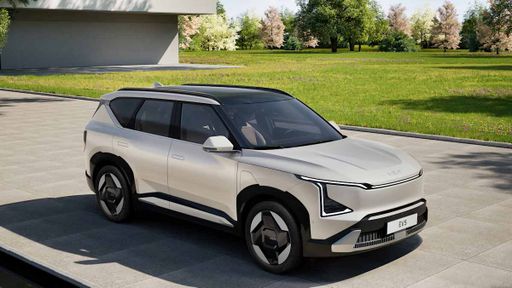
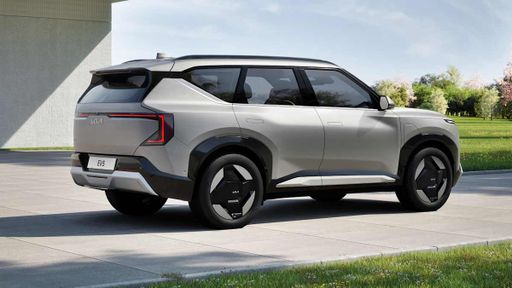
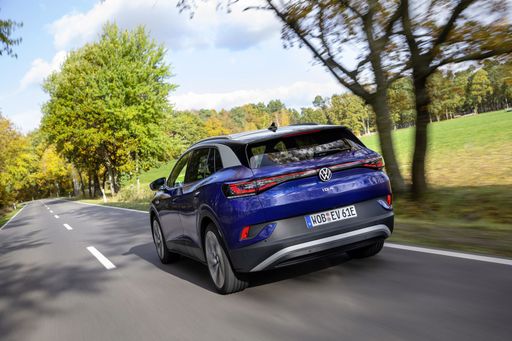
Two electric SUVs, one mission: make life easier without killing the vibe. The VW ID.4 comes in as the seasoned all-rounder, cool-headed and quietly confident. The Kia EV5 is the fresh face with square shoulders and a big grin, eager to turn heads while hauling kids and kit. Same size, very different character.
ID.4

Understatement vs. Street Presence

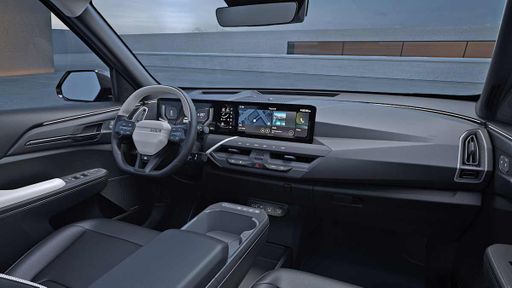
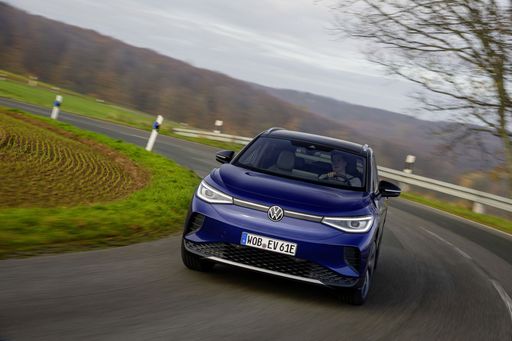
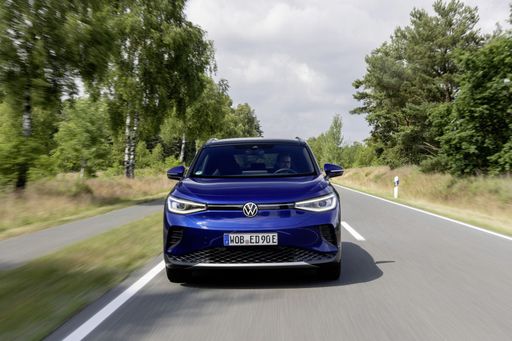
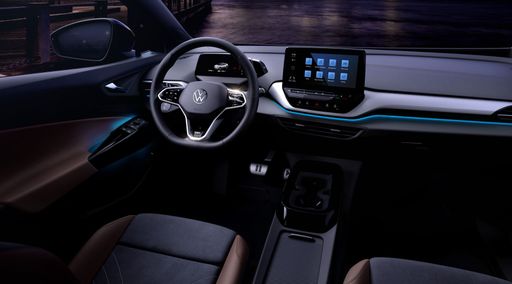
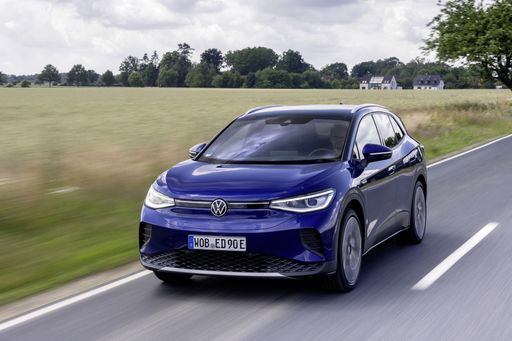
The ID.4 feels like a calming handshake: clean lines, neat cabin, everything where you expect it. The EV5 strides in with a blocky, concept-car look that reads rugged and modern, a rolling design statement for the school gates. Inside, VW leans tidy and sober, while Kia goes lounge-like with bolder textures and an airy, almost living-room feel. One whispers premium, the other speaks fluent urban adventure.

EV5

Life Admin Champions

In the daily grind, the ID.4 majors on ease: intuitive controls, gentle ride, and a cabin that shrugs off stress. The EV5 answers with clever storage nooks, a square cargo opening, and family-friendly space that swallows pushchairs and weekend projects with a grin. On long trips, the VW’s refined demeanor keeps noise and fatigue low, while the Kia’s upright seating and big-screen infotainment make hours on the motorway feel shorter. City runs? Both are serene, but the Kia’s chunky visibility and the VW’s light controls each find their own rhythm in tight streets.

ID.4

What Your Choice Says About You

Pick the ID.4 and you’re the quietly confident type who values calm progress and proven polish. Choose the EV5 and you’re signaling you want your family car to look like a concept sketch and feel future-forward inside. The VW plays the grown-up: unflustered, efficient-feeling, and reassuring. The Kia plays the modernist: expressive, tech-forward, and happy to make an entrance.

EV5

The Smooth Operator: VW ID.4

If what matters to you is a serene drive, fuss-free ergonomics, and a sense of “this just works,” the VW ID.4 lands right on target. It feels settled at speed, friendly in town, and refreshingly simple to live with day after day. Commuters and long-distance users will appreciate its relaxed gait and mature driver assists. If you prize predictability and an easy resale story, this is the safe, satisfying bet.

ID.4

The Style-Savvy Space Ace: Kia EV5

If what matters to you is standout design, a lounge-like cabin, and tech that looks and feels bang up to date, the Kia EV5 makes a compelling case. Families and hobby haulers will love the squared-off practicality and clever cabin touches that make every trip feel organized. It has a confident, slightly adventurous vibe that appeals to those who enjoy being seen in something new-school. If the ID.4 is the calm nod, the EV5 is the confident wink—now let’s dive into the data to see how their promises stack up on paper.

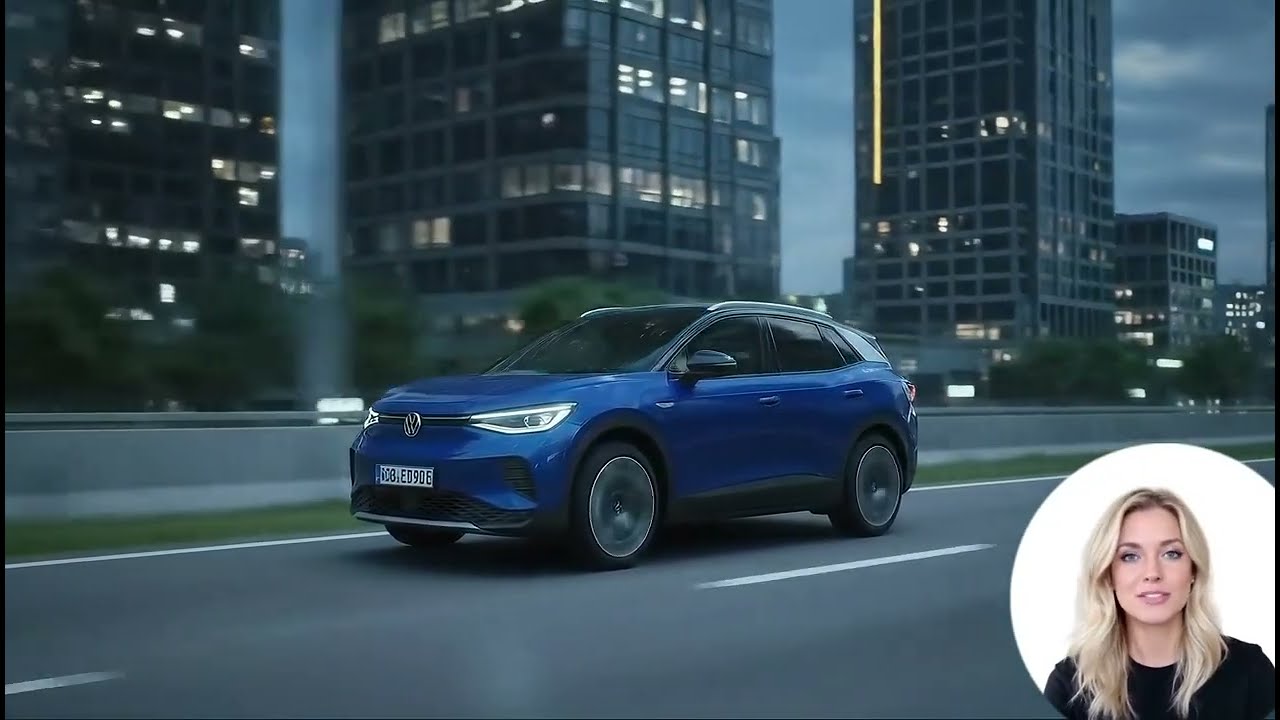
Video - VW ID.4

Video Thumbnail

Here’s where it gets real: The technical differences in detail

EV5

Costs and Efficiency:

When it comes to price and running costs, the biggest differences usually appear. This is often where you see which car fits your budget better in the long run.

VW ID.4 is a bit cheaper – starting at 34,800 £ , while the Kia EV5 costs 39,400 £ . That’s a price difference of around 4,638 £.

In terms of energy consumption, the VW ID.4 is barely more efficient: consuming 15.4 kWh/100km compared to 16.9 kWh/100km for the Kia EV5. That’s a difference of about 1.5 kWh/100km.

As for electric range, the VW ID.4 offers very slightly more range – reaching up to 570 km, about 40 km more than the Kia EV5.

ID.4

Engine and Performance:

Power, torque and acceleration are the classic benchmarks for car enthusiasts – and here, some clear differences start to show.

When it comes to engine power, the Kia EV5 offers barely more power – delivering 306 HP compared to 299 HP. That’s roughly 7 HP more horsepower.

When accelerating from 0 to 100 km/h, the VW ID.4 is marginally quicker – completing the sprint in 6.1 s, while the Kia EV5 takes 6.2 s. That’s about 0.1 s quicker.

There’s also a difference in torque: the VW ID.4 delivers moderately more torque with 545 Nm compared to 480 Nm. That’s about 65 Nm more.

EV5

Space and Everyday Use:

Cabin size, boot volume and payload all play a role in everyday practicality. Here, comfort and flexibility make the difference.

Both vehicles offer seating for 5 people.

In terms of curb weight, VW ID.4 is barely lighter – 2,065 kg compared to 2,069 kg. The difference is around 4 kg.

When it comes to payload, the VW ID.4 carries very slightly more – 554 kg compared to 511 kg. That’s a difference of about 43 kg.

Who wins the race in the data check?

The VW ID.4 holds a solid overall lead in the objective data comparison.
This result only shows which model scores more points on paper – not which of the two cars feels right for you.

from £34,800
ID.4

VW ID.4

  • Engine Type : Electric
  • Transmission : Automatic
  • Drive Type : Rear-Wheel Drive, All-Wheel Drive
  • Power HP : 190 - 299 HP
  • Consumption kWh/100km : 15.4 - 16.6 kWh/100km
  • Electric Range : 425 - 570 km
Kia EV5
VW ID.4

Costs and Consumption

View detailed analysis

Engine and Performance

View detailed analysis

Dimensions and Body

View detailed analysis

Kia EV5

Kia's EV5 is an exciting entry into the electric SUV market, showcasing the brand's commitment to sustainable mobility. With its modern design and advanced technology features, the EV5 promises to deliver a smooth and environmentally friendly driving experience. The interior offers a spacious and comfortable ride, making it an appealing choice for families and eco-conscious drivers alike.

details

VW ID.4

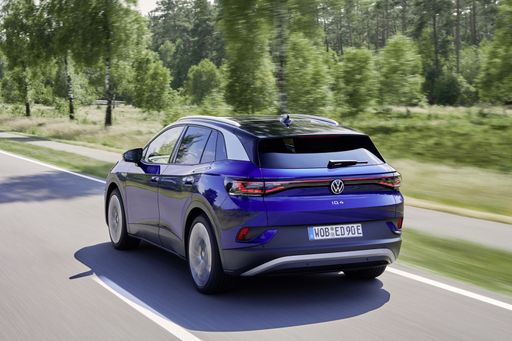
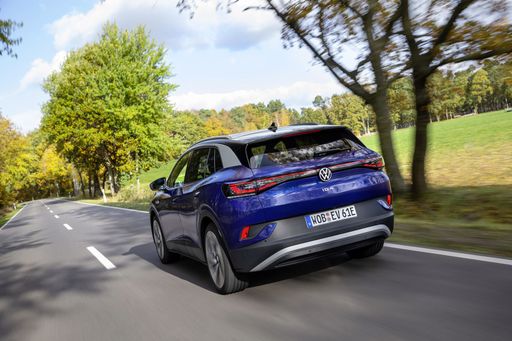
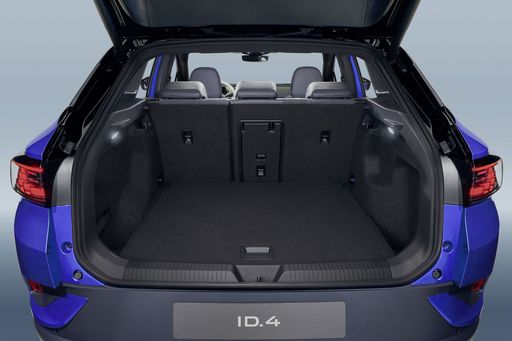
The VW ID.4 is a roomy, comfort‑focused electric SUV that makes family life and daily commuting effortless with a practical interior and a calm, efficient powertrain. It’s reassuring and sensible rather than thrilling — well suited to long stretches thanks to a relaxed ride and useful assistance systems, but the touch‑centric controls, restricted rear visibility and muted steering keep it from exciting drivers who want sportier dynamics.

details
Kia EV5
VW ID.4

Costs and Consumption

Price
39,400 - 51,400 £
Price
34,800 - 47,600 £
Consumption L/100km
-
Consumption L/100km
-
Consumption kWh/100km
16.9 - 18.6 kWh/100km
Consumption kWh/100km
15.4 - 16.6 kWh/100km
Electric Range
476 - 530 km
Electric Range
425 - 570 km
Battery Capacity
-
Battery Capacity
-
co2
0 g/km
co2
0 g/km
Fuel tank capacity
-
Fuel tank capacity
-

Dimensions and Body

Body Type
SUV
Body Type
SUV
Seats
5
Seats
5
Doors
-
Doors
-
Curb weight
2,069 - 2,205 kg
Curb weight
2,065 - 2,219 kg
Trunk capacity
-
Trunk capacity
-
Length
-
Length
-
Width
1,875 mm
Width
1,852 mm
Height
-
Height
-
Max trunk capacity
-
Max trunk capacity
-
Payload
465 - 511 kg
Payload
525 - 554 kg

Engine and Performance

Engine Type
Electric
Engine Type
Electric
Transmission
Automatic
Transmission
Automatic
Transmission Detail
Reduction Gearbox
Transmission Detail
Reduction Gearbox
Drive Type
Front-Wheel Drive, All-Wheel Drive
Drive Type
Rear-Wheel Drive, All-Wheel Drive
Power HP
218 - 306 HP
Power HP
190 - 299 HP
Acceleration 0-100km/h
6.2 - 8.4 s
Acceleration 0-100km/h
6.1 - 8.5 s
Max Speed
-
Max Speed
-
Torque
295 - 480 Nm
Torque
310 - 545 Nm
Number of Cylinders
-
Number of Cylinders
-
Power kW
160 - 225 kW
Power kW
140 - 220 kW
Engine capacity
-
Engine capacity
-

General

Model Year
2,025 - 2,026
Model Year
2026
CO2 Efficiency Class
A
CO2 Efficiency Class
A
Brand
Kia
Brand
VW
DriveDuel uses data analysis and artificial intelligence to evaluate vehicle data and create content. Content is regularly reviewed and improved. The displayed prices are estimates based on German list prices, adjusted to the respective country’s VAT. Country-specific registration taxes are not included. This information is not legally binding.