@ Peugeot / Stellantis Media
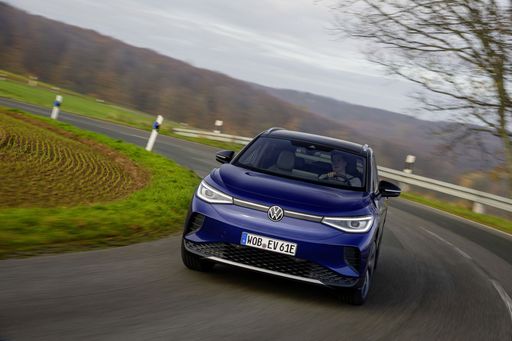
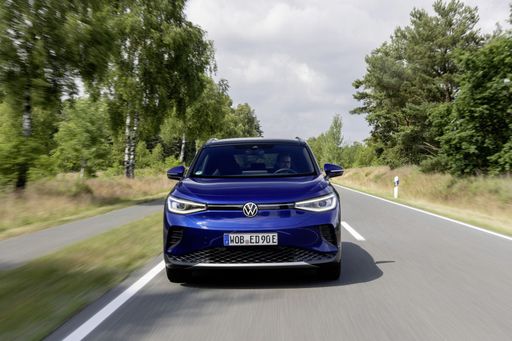
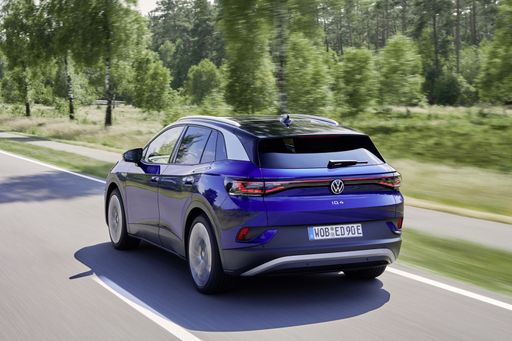
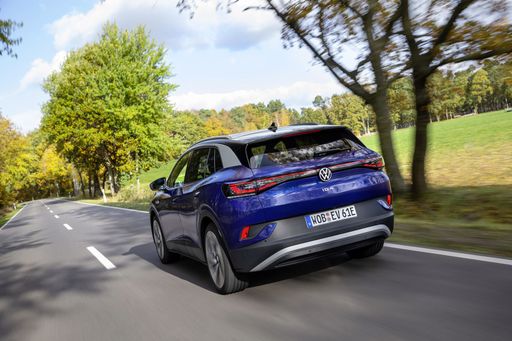
@ Volkswagen AG / VW Media
VS

Peugeot 2008 vs VW ID.4 – Which one offers the better deal?

Everyday use, family trips or long-distance drives – here’s where the differences show.
Discover whether Peugeot 2008 or VW ID.4 fits your lifestyle better.

2008 @ Peugeot / Stellantis Media

When it comes to the burgeoning segment of compact SUVs, the competition is heating up, particularly with the Peugeot 2008 and the VW ID.4 leading the charge. Both vehicles offer modern designs, impressive technology, and compelling performance, but they cater to slightly different audiences. Let’s dive deeper into the technical aspects and innovations of each to determine which may reign supreme.
ID.4 @ Volkswagen AG / VW Media

Exterior and Interior Design

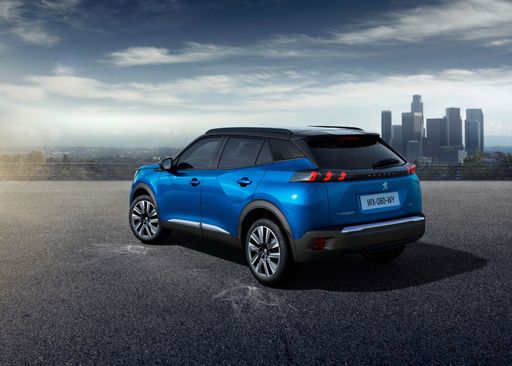
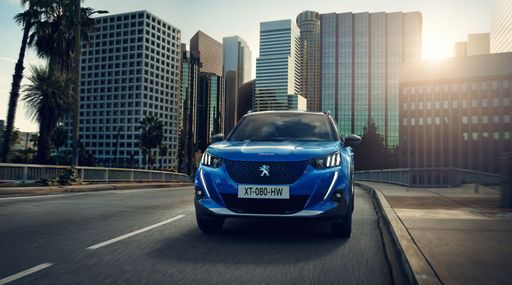
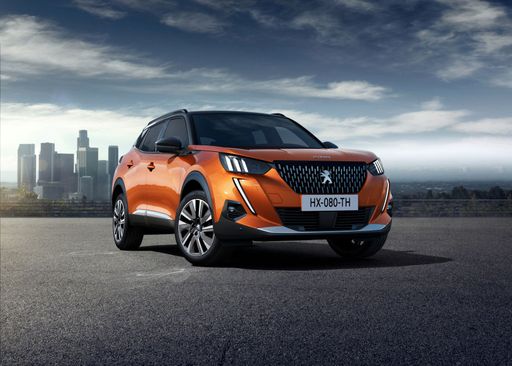
Starting with design, the Peugeot 2008 exhibits a bold and distinctive character, featuring sharp lines and a pronounced front grille that demand attention. Its compact dimensions (4304 mm in length, 1770 mm in width, and 1523 mm in height) make it maneuverable in urban settings, while still providing a spacious cabin.

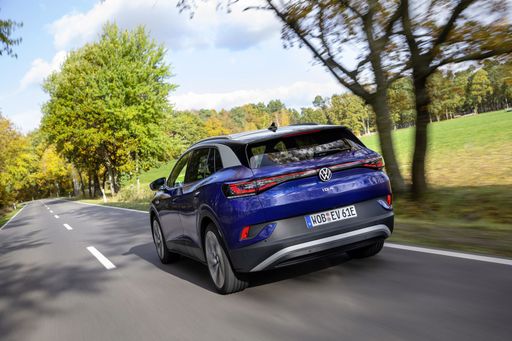
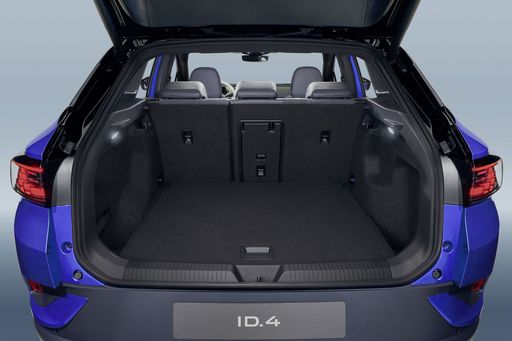
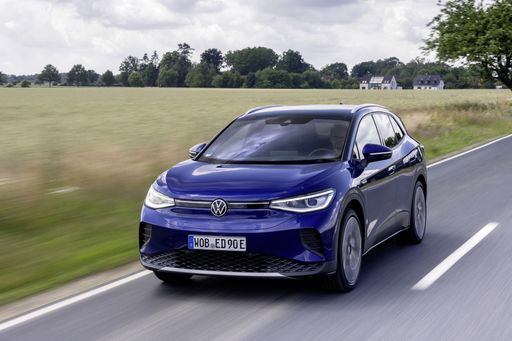
On the other hand, the VW ID.4 is slightly larger, measuring 4584 mm in length and 1852 mm in width, which translates to a more robust presence on the road. The design philosophy follows a more understated elegance, with clean lines and a high-tech facade. The ID.4 also boasts an impressive trunk capacity of 543 liters, surpassing the 2008's 434 liters, allowing for enhanced practicality.

2008 @ Peugeot / Stellantis Media

Powertrains and Performance

The Peugeot 2008 offers versatility with three engine options: petrol mild-hybrid (MHEV), petrol, and a fully electric variant. Its electric version provides a range of up to 406 km with a power output of 136 HP, making it a viable choice for urban and suburban commuters. The acceleration from 0-100 km/h sits at a respectable 8.3 seconds, depending on the engine variant.

Conversely, the VW ID.4 is fully electric and provides a broader range of performance options, from 170 to 340 HP. The ID.4 shines with its electric range of up to 572 km, which is ideal for longer journeys without the frequent need for charging. Its acceleration, reaching 0-100 km/h in as quick as 5.4 seconds for the top variant, showcases its sporty credentials.

ID.4 @ Volkswagen AG / VW Media

Driving Dynamics and Innovations

Both models utilize distinct driving technologies to enhance performance and comfort. The Peugeot 2008 employs a front-wheel-drive setup, which is standard among many compact SUVs, ensuring balanced handling and traction. The vehicle's CO2 efficiency rating also reflects its various engine choices, with emissions as low as 113 g/km.

The ID.4, with options for rear-wheel drive and all-wheel drive configurations, offers enhanced traction and stability. Its state-of-the-art electric drivetrains utilize regenerative braking technology, boosting the vehicle's efficiency even further. With zero CO2 emissions, the ID.4’s green credentials resonate strongly in the current automotive landscape.

2008 @ Peugeot / Stellantis Media

Advanced Technology and Safety Features

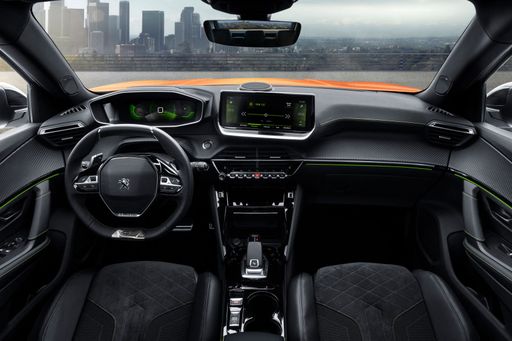
Inside, the Peugeot 2008 features a futuristic cockpit design with the brand's innovative i-Cockpit system, highlighting a digital dashboard and a floating infotainment display. The vehicle is equipped with essential safety features, including lane departure warnings and adaptive cruise control.

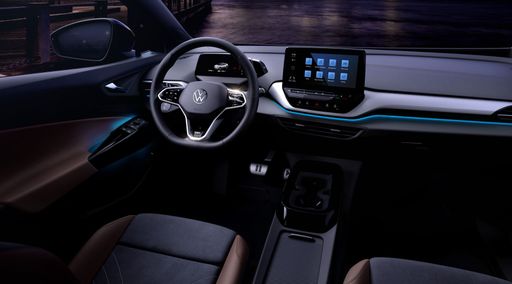
The VW ID.4 steps up the game with an intuitive infotainment system that integrates seamlessly with smartphones and offers over-the-air updates. Enhanced driver-assistance technologies such as travel assist and park assist make it a smart choice for tech-savvy consumers.

ID.4 @ Volkswagen AG / VW Media

Conclusion: Which SUV is Right for You?

Choosing between the Peugeot 2008 and the VW ID.4 ultimately comes down to personal preference and driving needs. The 2008 appeals to traditionalists seeking efficient hybrid options and a sporty, compact feel. Meanwhile, the ID.4 attracts forward-thinking drivers who prioritize long electric ranges and state-of-the-art tech. Both vehicles present compelling cases for those in the market for a compact SUV, ensuring that consumers will have a tough choice ahead.

Video - VW ID.4

Here’s where it gets real: The technical differences in detail

2008 @ Peugeot / Stellantis Media

Costs and Efficiency:

Price and efficiency are often the first things buyers look at. Here it becomes clear which model has the long-term edge – whether at the pump, the plug, or in purchase price.

Peugeot 2008 has a clearly advantage in terms of price – it starts at 24500 £, while the VW ID.4 costs 34600 £. That’s a price difference of around 10110 £.

In terms of energy consumption, the advantage goes to the Peugeot 2008: with 15.50 kWh per 100 km, it’s hardly perceptible more efficient than the VW ID.4 with 15.60 kWh. That’s a difference of about 0.10 kWh.

As for range, the VW ID.4 performs distinct better – achieving up to 569 km, about 163 km more than the Peugeot 2008.

ID.4 @ Volkswagen AG / VW Media

Engine and Performance:

Power, torque and acceleration are the classic benchmarks for car enthusiasts – and here, some clear differences start to show.

When it comes to engine power, the VW ID.4 has a decisively edge – offering 340 HP compared to 156 HP. That’s roughly 184 HP more horsepower.

In acceleration from 0 to 100 km/h, the VW ID.4 is significantly quicker – completing the sprint in 5.40 s, while the Peugeot 2008 takes 8.30 s. That’s about 2.90 s faster.

In terms of top speed, the Peugeot 2008 performs somewhat better – reaching 206 km/h, while the VW ID.4 tops out at 180 km/h. The difference is around 26 km/h.

There’s also a difference in torque: VW ID.4 pulls decisively stronger with 679 Nm compared to 270 Nm. That’s about 409 Nm difference.

Space and Everyday Use:

Beyond pure performance, interior space and usability matter most in daily life. This is where you see which car is more practical and versatile.

Both vehicles offer seating for 5 people.

In curb weight, Peugeot 2008 is significantly lighter – 1263 kg compared to 1975 kg. The difference is around 712 kg.

In terms of boot space, the VW ID.4 offers distinct more room – 543 L compared to 434 L. That’s a difference of about 109 L.

In maximum load capacity, the VW ID.4 performs slight better – up to 1575 L, which is about 108 L more than the Peugeot 2008.

When it comes to payload, VW ID.4 somewhat takes the win – 551 kg compared to 447 kg. That’s a difference of about 104 kg.

Who wins the race?

The VW ID.4 proves to be outperforms in nearly all aspects and therefore becomes our DriveDuel Champion!
VW ID.4 is the better all-rounder in this comparison.

from about £34,600
ID.4 @ Volkswagen AG / VW Media

VW ID.4

  • Engine Type : Electric
  • Transmission : Automatic
  • Drive Type : Rear-Wheel Drive, All-Wheel Drive
  • Power HP : 170 - 340 HP
  • Consumption kWh/100km : 15.6 - 17 kWh
  • Electric Range : 356 - 569 km

Peugeot 2008

The Peugeot 2008 is a stylish, city-friendly crossover that packs big character into a compact package, turning mundane errands into a mildly entertaining drive. Its clever interior layout, polished looks and confident ride make it a smart choice for buyers who want practical daily sense with a touch of flair.

details

VW ID.4

4.5 (2)
rate

The VW ID.4 is a calm, roomy electric SUV that turns everyday driving into a quietly confident experience, its practical packaging and smooth manners tailored perfectly for family life. Volkswagen's solid build and intuitive interior tech mean you get electric practicality without the sci‑fi theatrics, making the ID.4 a sensible, surprisingly likable choice for most buyers.

details
Peugeot 2008
VW ID.4
2008 @ Peugeot / Stellantis Media
ID.4 @ Volkswagen AG / VW Media

Costs and Consumption

Price
24500 - 40300 £
Price
34600 - 47200 £
Consumption L/100km
4.9 - 5.7 L
Consumption L/100km
-
Consumption kWh/100km
15.50 kWh
Consumption kWh/100km
15.6 - 17 kWh
Electric Range
406 km
Electric Range
356 - 569 km
Battery Capacity
51 kWh
Battery Capacity
52 - 77 kWh
co2
0 - 129 g/km
co2
0 g/km
Fuel tank capacity
44 L
Fuel tank capacity
-

Dimensions and Body

Body Type
SUV
Body Type
SUV
Seats
5
Seats
5
Doors
5
Doors
5
Curb weight
1263 - 1623 kg
Curb weight
1975 - 2248 kg
Trunk capacity
434 L
Trunk capacity
543 L
Length
4304 mm
Length
4582 - 4584 mm
Width
1770 mm
Width
1852 mm
Height
1523 mm
Height
1619 - 1634 mm
Max trunk capacity
1467 L
Max trunk capacity
1575 L
Payload
407 - 447 kg
Payload
511 - 551 kg

Engine and Performance

Engine Type
Petrol, Electric, Petrol MHEV
Engine Type
Electric
Transmission
Manuel, Automatic
Transmission
Automatic
Transmission Detail
Manual Gearbox, Reduction Gearbox, Dual-Clutch Automatic
Transmission Detail
Reduction Gearbox
Drive Type
Front-Wheel Drive
Drive Type
Rear-Wheel Drive, All-Wheel Drive
Power HP
101 - 156 HP
Power HP
170 - 340 HP
Acceleration 0-100km/h
8.3 - 10.9 s
Acceleration 0-100km/h
5.4 - 9 s
Max Speed
150 - 206 km/h
Max Speed
160 - 180 km/h
Torque
205 - 270 Nm
Torque
310 - 679 Nm
Number of Cylinders
3
Number of Cylinders
-
Power kW
74 - 115 kW
Power kW
125 - 250 kW
Engine capacity
1199 cm3
Engine capacity
-

General

Model Year
2023 - 2025
Model Year
2023 - 2025
CO2 Efficiency Class
D, A, C
CO2 Efficiency Class
A
Brand
Peugeot
Brand
VW
Is the Peugeot 2008 offered with different drivetrains?

The Peugeot 2008 is available as Front-Wheel Drive.

The prices and data displayed are estimates based on German list prices and may vary by country. This information is not legally binding.