
 Deutschland
 France
 Nederland
 Great Britain
 Sverige
 Danmark
 Suomi
Suomi Italia
 Polska
 España
VS
Peugeot 308 SW vs VW ID.3 - Differences and prices compared
Compare performance (195 HP vs 326 HP), boot space and price (30100 £ vs 28600 £ ) at a glance. Find out which car is the better choice for you – Peugeot 308 SW or VW ID.3?
308 SW
Costs and Efficiency:
When it comes to price and running costs, the biggest differences usually appear. This is often where you see which car fits your budget better in the long run.
VW ID.3 has a slight advantage in terms of price – it starts at 28600 £ , while the Peugeot 308 SW costs 30100 £ . That’s a price difference of around 1552 £.
In terms of energy consumption, the advantage goes to the VW ID.3: with 14.50 kWh per 100 km, it’s barely noticeable more efficient than the Peugeot 308 SW with 15.20 kWh. That’s a difference of about 0.70 kWh.
As for electric range, the VW ID.3 performs clearly perceptible better – achieving up to 605 km, about 161 km more than the Peugeot 308 SW.
ID.3
Engine and Performance:
Under the bonnet, it becomes clear which model is tuned for sportiness and which one takes the lead when you hit the accelerator.
When it comes to engine power, the VW ID.3 has a significantly edge – offering 326 HP compared to 195 HP. That’s roughly 131 HP more horsepower.
In acceleration from 0 to 100 km/h, the VW ID.3 is clearly perceptible quicker – completing the sprint in 5.70 s, while the Peugeot 308 SW takes 7.70 s. That’s about 2 s faster.
In terms of top speed, the Peugeot 308 SW performs a bit better – reaching 225 km/h, while the VW ID.3 tops out at 200 km/h. The difference is around 25 km/h.
There’s also a difference in torque: VW ID.3 pulls clearly stronger with 545 Nm compared to 300 Nm. That’s about 245 Nm difference.
308 SW
Space and Everyday Use:
Cabin size, boot volume and payload all play a role in everyday practicality. Here, comfort and flexibility make the difference.
Both vehicles offer seating for 5 people.
In curb weight, Peugeot 308 SW is distinct lighter – 1484 kg compared to 1787 kg. The difference is around 303 kg.
In terms of boot space, the Peugeot 308 SW offers clearly perceptible more room – 551 L compared to 385 L. That’s a difference of about 166 L.
In maximum load capacity, the Peugeot 308 SW performs to a small extent better – up to 1483 L, which is about 216 L more than the VW ID.3.
When it comes to payload, Peugeot 308 SW barely noticeable takes the win – 508 kg compared to 473 kg. That’s a difference of about 35 kg.
Who wins the race in the data check?
The VW ID.3 is far ahead overall in the objective data comparison.
This result only shows which model scores more points on paper – not which of the two cars feels right for you.
Peugeot 308 SW
VW ID.3
Costs and Consumption
View detailed analysis
View detailed analysis
Engine and Performance
View detailed analysis
View detailed analysis
Dimensions and Body
View detailed analysis
View detailed analysis
from about £28,600
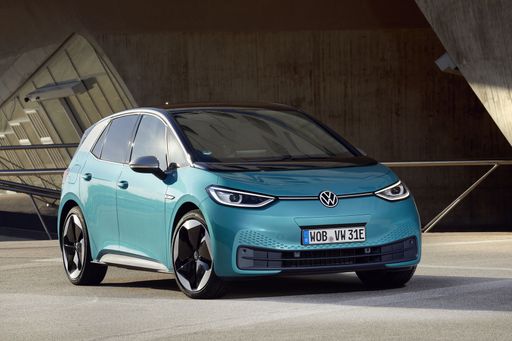
VW ID.3
Peugeot 308 SW
4.5 (2 Reviews)
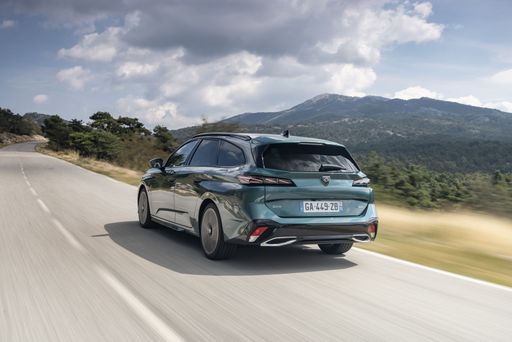
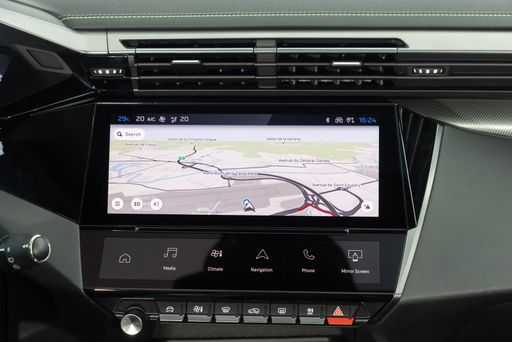
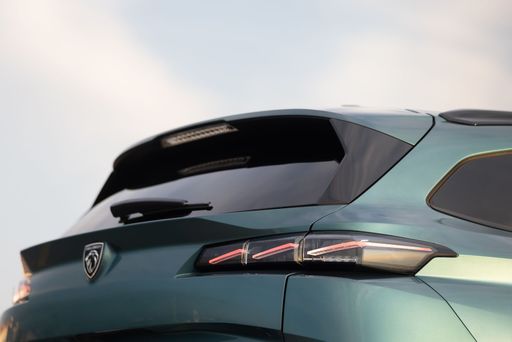
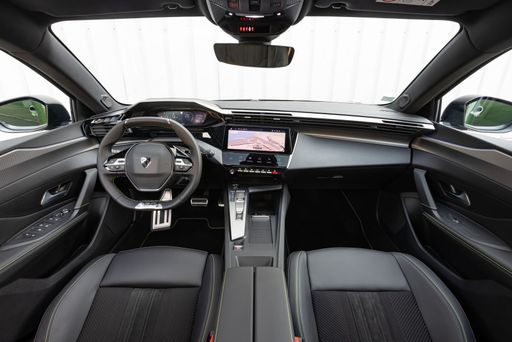
The Peugeot 308 SW blends French flair with estate practicality, dressing up daily chores in a surprisingly handsome package. Inside it's cleverly laid out and comfortable, and the composed, entertaining drive makes family duty feel a little less like a chore.
details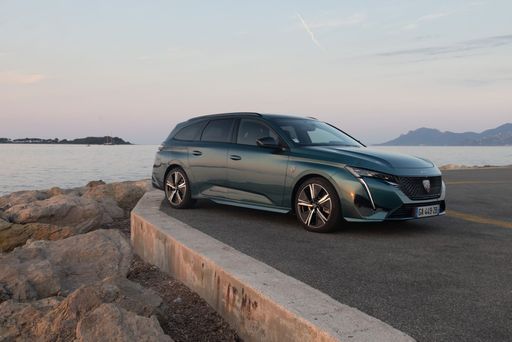
VW ID.3
4.9 (3 Reviews)
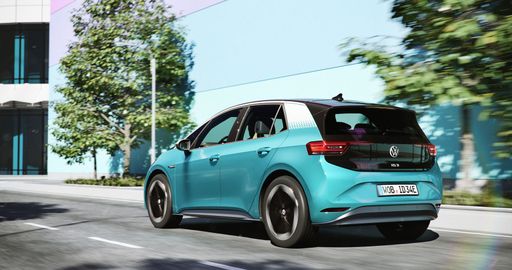
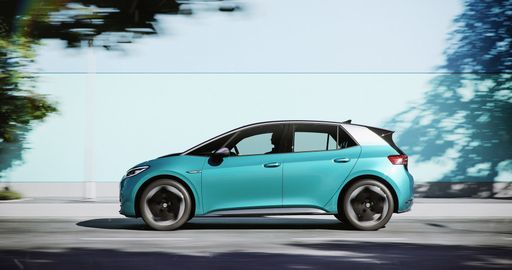
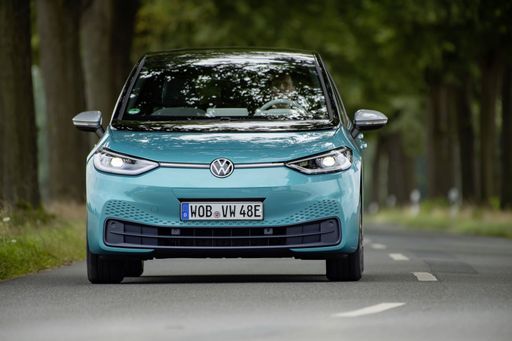
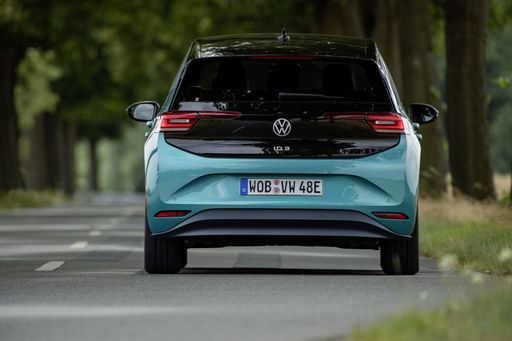
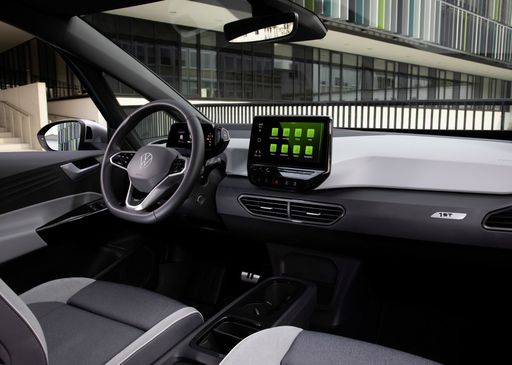
The VW ID.3 is a crisply styled electric hatch that masks serious practicality behind a friendly, modern face, making city runs and longer trips pleasantly fuss free. For buyers seeking a sensible, well-equipped EV that doesn't take itself too seriously, the ID.3 strikes a neat balance of comfort, tech and everyday usability with a cheeky smile.
details

Peugeot 308 SW
VW ID.3
Costs and Consumption |
|
|---|---|
|
Price
30100 - 43800 £
|
Price
28600 - 49300 £
|
|
Consumption L/100km
2.3 - 5.1 L
|
Consumption L/100km
-
|
|
Consumption kWh/100km
15.2 - 15.7 kWh
|
Consumption kWh/100km
14.5 - 15.8 kWh
|
|
Electric Range
78 - 444 km
|
Electric Range
383 - 605 km
|
|
Battery Capacity
0.40 kWh
|
Battery Capacity
52 - 79 kWh
|
|
co2
0 - 134 g/km
|
co2
0 g/km
|
|
Fuel tank capacity
42 - 52 L
|
Fuel tank capacity
-
|
Dimensions and Body |
|
|---|---|
|
Body Type
Estate
|
Body Type
Hatchback
|
|
Seats
5
|
Seats
5
|
|
Doors
5
|
Doors
5
|
|
Curb weight
1484 - 1783 kg
|
Curb weight
1787 - 1993 kg
|
|
Trunk capacity
467 - 551 L
|
Trunk capacity
385 L
|
|
Length
4636 mm
|
Length
4264 mm
|
|
Width
1852 mm
|
Width
1809 mm
|
|
Height
1438 mm
|
Height
1564 mm
|
|
Max trunk capacity
1402 - 1483 L
|
Max trunk capacity
1267 L
|
|
Payload
417 - 508 kg
|
Payload
437 - 473 kg
|
Engine and Performance |
|
|---|---|
|
Engine Type
Petrol MHEV, Diesel, Plugin Hybrid, Electric
|
Engine Type
Electric
|
|
Transmission
Automatic
|
Transmission
Automatic
|
|
Transmission Detail
Dual-Clutch Automatic, Automatic Gearbox, Reduction Gearbox
|
Transmission Detail
Reduction Gearbox
|
|
Drive Type
Front-Wheel Drive
|
Drive Type
Rear-Wheel Drive
|
|
Power HP
131 - 195 HP
|
Power HP
170 - 326 HP
|
|
Acceleration 0-100km/h
7.7 - 10.9 s
|
Acceleration 0-100km/h
5.7 - 8.2 s
|
|
Max Speed
170 - 225 km/h
|
Max Speed
160 - 200 km/h
|
|
Torque
230 - 300 Nm
|
Torque
310 - 545 Nm
|
|
Number of Cylinders
3 - 4
|
Number of Cylinders
-
|
|
Power kW
96 - 144 kW
|
Power kW
125 - 240 kW
|
|
Engine capacity
1199 - 1598 cm3
|
Engine capacity
-
|
General |
|
|---|---|
|
Model Year
2025 - 2026
|
Model Year
2024 - 2025
|
|
CO2 Efficiency Class
C, D, B, A
|
CO2 Efficiency Class
A
|
|
Brand
Peugeot
|
Brand
VW
|
Is the Peugeot 308 SW offered with different drivetrains?
The Peugeot 308 SW is available as Front-Wheel Drive.
The prices shown are estimates based on German list prices, adjusted for local VAT. Local registration taxes (e.g. NoVA, BPM or CO2 malus) are not included. This information is not legally binding.