VS

Peugeot 408 vs Volvo EX30 comparison

Compare performance (240 HP vs 428 HP), boot space and price (35,100 £ vs 30,000 £ ) at a glance. Find out which car is the better choice for you – Peugeot 408 or Volvo EX30?

Peugeot 408 vs Volvo EX30: Key differences

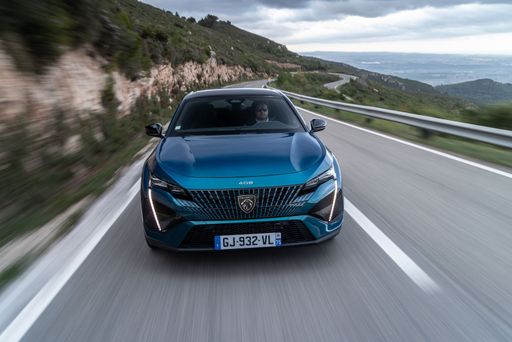
Peugeot 408

4.9 (1 Reviews)
rate
  • a bit more efficient
  • slightly lighter
details

Volvo EX30

3.7 (7 Reviews)
rate
  • moderately cheaper
  • significantly more power
  • marginally more electric range
  • considerably quicker 0–100 km/h
details

All details on performance, efficiency, range and trunk space can be found in the technical comparison below – including user reviews for both models.

By Achim Sedelmaier

408

Battle of the Electrics: Peugeot 408 vs. Volvo EX30

In the ever-evolving automotive market, the competition between electric vehicles is fiercer than ever. Today, we dive into a comparison between two contenders in the SUV segment: the elegant Peugeot 408 and the trailblazing Volvo EX30. Both promise cutting-edge technology and eco-friendliness, but which one stands out?
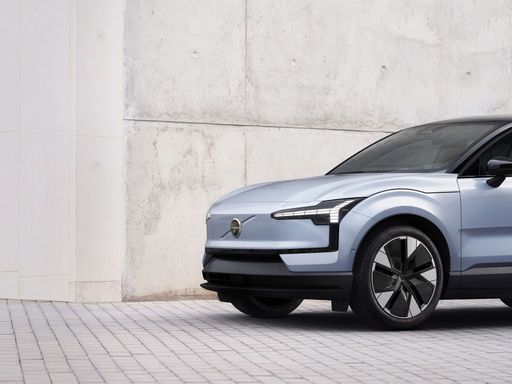
EX30

Design and Dimensions: Sleek vs. Compact

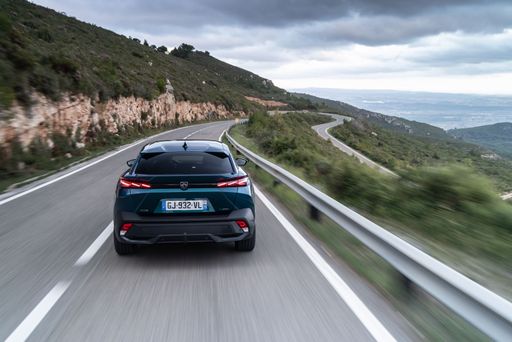
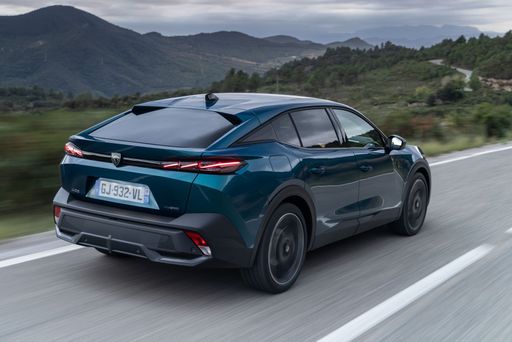
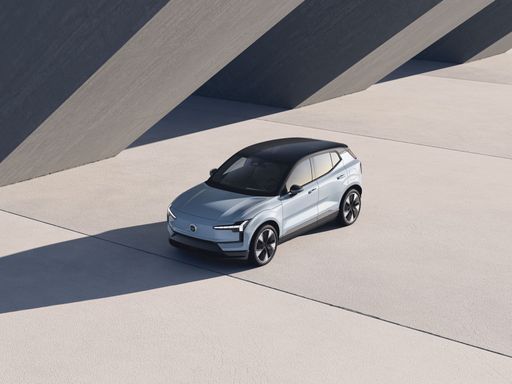
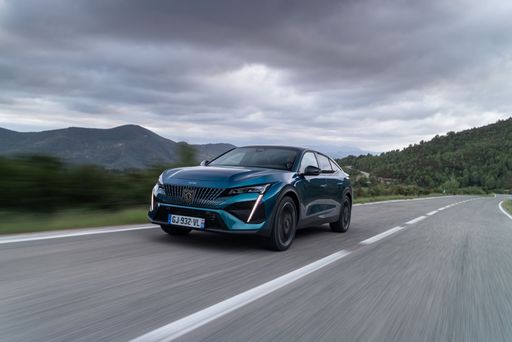
The Peugeot 408, with its length of 4687 mm and width of 1848 mm, exudes an aura of modern sophistication. Its height of 1478 mm allows for a sleek silhouette without compromising on space. Meanwhile, the Volvo EX30 is more compact, measuring 4233 mm in length, 1837 mm in width, and standing slightly taller at 1549 mm. This allows the EX30 to offer a nimble city-driving experience.

408

Performance: Peugeot’s Versatility vs. Volvo’s Power

When it comes to powertrains, the Peugeot 408 offers a versatile selection, including petrol, hybrid, and electric options. The electric model delivers up to 214 HP with a 58.2 kWh battery, while the PHEV variant boasts 225 HP. The 408’s electric variant accelerates from 0-100 km/h in 7.2 seconds.

Volvo’s EX30, being purely electric, doesn’t hold back on power. Its RWD version offers 272 HP, while the AWD version delivers an impressive 428 HP. The high-performance EX30 can achieve 0-100 km/h in a blistering 3.6 seconds, showcasing Volvo’s commitment to electric prowess.

EX30

Range and Efficiency: Long Distances with Less Energy

Efficiency is a crucial metric in the electric vehicle market. The Peugeot 408 electric model offers a consumption rate of 15.1 kWh/100 km and can cover up to 453 km on a single charge. Its plug-in hybrid option further optimizes fuel consumption with just 1.5 L/100 km.

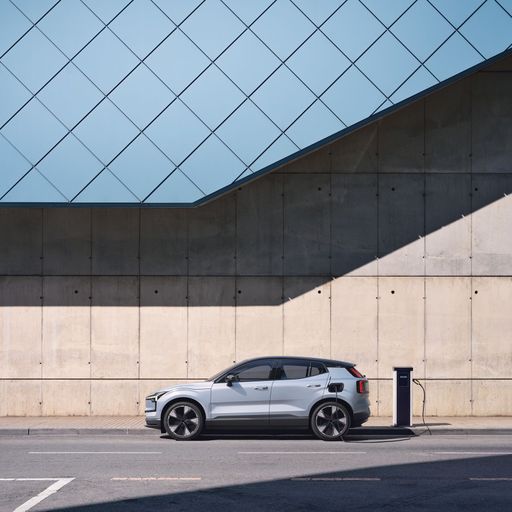
Volvo's EX30 offers different models with electric ranges varying between 339 km and a substantial 476 km, with an energy consumption ranging from 17 to 18.7 kWh/100 km. Volvo focuses heavily on maximizing driving range, ensuring less time stationed at the charging points.

408

Technology and Innovation: Cutting-Edge Features

Both vehicles push the envelope in terms of technological innovation. The Peugeot 408 integrates eco-friendly production with advanced driving aids and a seamless dual-clutch automatic transmission for smooth operation. Its plug-in hybrid version brings the best of both worlds, combining petrol efficiency with electric power.

On the other hand, the Volvo EX30 is a tech marvel, equipped with a reduction gearbox and available in RWD and AWD, optimizing traction and handling. The EX30 is built to be both futuristic and sustainable, with cutting-edge efficiency that complements Volvo’s dedication to safety and environmental responsibility.

EX30

Conclusion: The Choice is Yours

The Peugeot 408 and Volvo EX30 each carry a unique appeal, potentially swaying buyers depending on their lifestyle and preferences. The 408 shines with its drivetrain versatility and stylish design, while the EX30 stands out with its raw electric power and advanced technological features. Whether you value groundbreaking performance or versatile efficiency, both SUVs cater to a modern eco-conscious driver’s needs. The final decision lies with you, the discerning car enthusiast.

Here’s where it gets real: The technical differences in detail

408

Costs and Efficiency:

Looking at overall running costs, both models reveal some interesting differences in everyday economy.

Volvo EX30 is moderately cheaper – starting at 30,000 £ , while the Peugeot 408 costs 35,100 £ . That’s a price difference of around 5,126 £.

In terms of energy consumption, the Peugeot 408 is a bit more efficient: consuming 14.7 kWh/100km compared to 17 kWh/100km for the Volvo EX30. That’s a difference of about 2.3 kWh/100km.

As for electric range, the Volvo EX30 offers marginally more range – reaching up to 475 km, about 19 km more than the Peugeot 408.

EX30

Engine and Performance:

Power, torque and acceleration are the classic benchmarks for car enthusiasts – and here, some clear differences start to show.

When it comes to engine power, the Volvo EX30 offers significantly more power – delivering 428 HP compared to 240 HP. That’s roughly 188 HP more horsepower.

When accelerating from 0 to 100 km/h, the Volvo EX30 is considerably quicker – completing the sprint in 3.6 s, while the Peugeot 408 takes 7.2 s. That’s about 3.6 s quicker.

There’s also a difference in torque: the Volvo EX30 delivers markedly more torque with 543 Nm compared to 360 Nm. That’s about 183 Nm more.

408

Space and Everyday Use:

Cabin size, boot volume and payload all play a role in everyday practicality. Here, comfort and flexibility make the difference.

Both vehicles offer seating for 5 people.

In terms of curb weight, Peugeot 408 is slightly lighter – 1,544 kg compared to 1,840 kg. The difference is around 296 kg.

When it comes to payload, the Peugeot 408 carries moderately more – 456 kg compared to 390 kg. That’s a difference of about 66 kg.

Who wins the race in the data check?

The Volvo EX30 is decisively ahead in the objective data comparison.
This result only shows which model scores more points on paper – not which of the two cars feels right for you.

from £30,000
EX30

Volvo EX30

  • Engine Type : Electric
  • Transmission : Automatic
  • Drive Type : Rear-Wheel Drive, All-Wheel Drive
  • Power HP : 150 - 428 HP
  • Consumption kWh/100km : 17 - 18.3 kWh/100km
  • Electric Range : 339 - 475 km
Peugeot 408
Volvo EX30

Costs and Consumption

View detailed analysis

Engine and Performance

View detailed analysis

Dimensions and Body

View detailed analysis

Peugeot 408

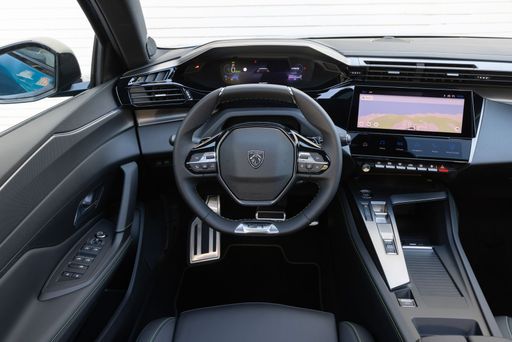
The Peugeot 408 blends a coupe-like roofline with practical sensibility, delivering striking looks and a surprisingly airy, premium-feeling cabin. On the road it prefers comfort and poise over manic thrills, making it a smart, stylish choice for buyers who want something a bit different from the usual family hatchback.

details

Volvo EX30

The Volvo EX30 arrives as a compact electric with crisp Scandinavian design and a cheeky personality, proving you can be serious about safety and still enjoy a grin on your commute. Its cabin is cleverly packaged and delightfully easy to live with, offering smart tech and practical touches that make it feel like a grown-up's city car with a sense of fun.

details
Peugeot 408
Volvo EX30

Costs and Consumption

Price
35,100 - 48,000 £
Price
30,000 - 47,800 £
Consumption L/100km
2.6 - 5 L/100km
Consumption L/100km
-
Consumption kWh/100km
14.7 kWh/100km
Consumption kWh/100km
17 - 18.3 kWh/100km
Electric Range
79 - 456 km
Electric Range
339 - 475 km
Battery Capacity
-
Battery Capacity
-
co2
0 - 114 g/km
co2
0 g/km
Fuel tank capacity
-
Fuel tank capacity
-

Dimensions and Body

Body Type
SUV
Body Type
SUV
Seats
5
Seats
5
Doors
-
Doors
-
Curb weight
1,544 - 1,879 kg
Curb weight
1,840 - 1,960 kg
Trunk capacity
-
Trunk capacity
-
Length
-
Length
-
Width
1,848 mm
Width
1,838 mm
Height
-
Height
-
Max trunk capacity
-
Max trunk capacity
-
Payload
371 - 456 kg
Payload
370 - 390 kg

Engine and Performance

Engine Type
Petrol MHEV, Plugin Hybrid, Electric
Engine Type
Electric
Transmission
Automatic
Transmission
Automatic
Transmission Detail
Dual-Clutch Automatic, Reduction Gearbox
Transmission Detail
Reduction Gearbox
Drive Type
Front-Wheel Drive
Drive Type
Rear-Wheel Drive, All-Wheel Drive
Power HP
145 - 240 HP
Power HP
150 - 428 HP
Acceleration 0-100km/h
7.2 - 9.4 s
Acceleration 0-100km/h
3.6 - 8.6 s
Max Speed
-
Max Speed
-
Torque
230 - 360 Nm
Torque
343 - 543 Nm
Number of Cylinders
3 - 4
Number of Cylinders
-
Power kW
107 - 176 kW
Power kW
110 - 315 kW
Engine capacity
1,199 - 1,598 cm3
Engine capacity
-

General

Model Year
2026
Model Year
2026
CO2 Efficiency Class
C, B, A
CO2 Efficiency Class
A
Brand
Peugeot
Brand
Volvo
DriveDuel uses data analysis and artificial intelligence to evaluate vehicle data and create content. Content is regularly reviewed and improved. The displayed prices are estimates based on German list prices, adjusted to the respective country’s VAT. Country-specific registration taxes are not included. This information is not legally binding.