VS

Renault Austral vs Renault Arkana comparison

Compare performance (200 HP vs 143 HP), boot space and price (29,900 £ vs 28,500 £ ) at a glance. Find out which car is the better choice for you – Renault Austral or Renault Arkana?

Renault Austral vs Renault Arkana: Key differences

Renault Austral

4.9 (4 Reviews)
rate
  • noticeably more power
  • clearly quicker 0–100 km/h

Renault Arkana

3.8 (6 Reviews)
rate
  • only slightly cheaper
  • marginally more efficient
  • barely lighter
Customer feedback generally presents the Arkana as an economical, stylish and practical family crossover that suits everyday needs. Owners often praise its fuel economy, space and safety, while noting it isn’t a sporty coupe; a few reports of serious mechanical issues and costly repairs also appear. Opinions are mixed enough that broader reliability trends aren’t fully clear from the available comments.

All details on performance, efficiency, range and trunk space can be found in the technical comparison below – including user reviews for both models.

Austral

The Renault Arkana and Renault Austral are two SUVs that exemplify the evolution of automotive design and technology under the Renault brand. Each model brings its unique strengths to the table, catering to different preferences and needs in the increasingly competitive SUV market. This article explores a side-by-side comparison of these two innovative vehicles, focusing on their technical specifications and standout features.
Arkana

Design and Dimensions: A Love for Modern Aesthetics

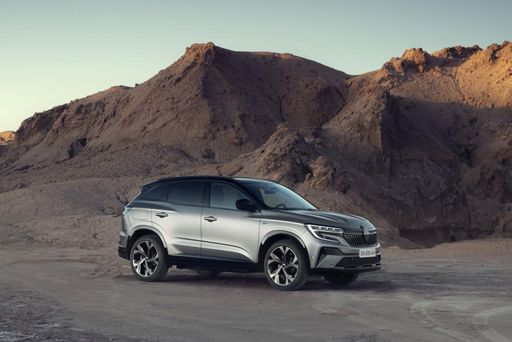
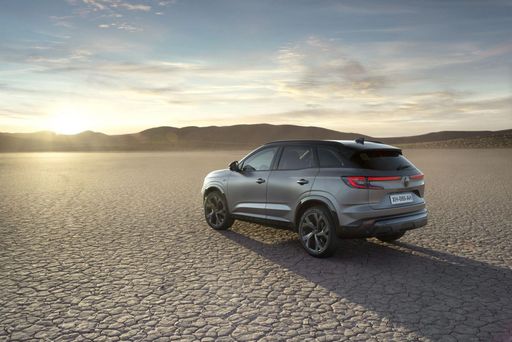
Both the Arkana and Austral boast modern and sleek designs that appeal to a broad audience. The Arkana measures 4568 mm in length, 1821 mm in width, and 1576 mm in height, making it slightly larger than the Austral, which has dimensions of 4510 mm in length, 1825 mm in width, and a height of 1618 mm. This difference in size may impact interior spaciousness and road presence, though both vehicles are designed to convey a sporty yet sophisticated look.

Austral

Engine Specifications and Performance

Engine options for the Arkana include a range of choices: a full hybrid producing up to 143 HP, a petrol MHEV variant with outputs of 140 to 158 HP, and a torque range of 205 to 270 Nm. The model exhibits impressive fuel efficiency, with consumption figures as low as 4.7 L/100 km, and offers an acceleration from 0-100 km/h in as little as 9.1 seconds.

On the other hand, the Austral offers robust engine alternatives, notably a petrol MHEV and a full hybrid engine. With power ratings reaching up to 200 HP and similar torque levels at 270 Nm, the Austral also competes favorably in performance. It excels in fuel economy as well, providing consumption figures as low as 4.7 L/100 km and the ability to reach 100 km/h in just 8.4 seconds.

Arkana

Transmission and Drivetrain: Smooth and Efficient

Both models come with automatic transmissions, although the Arkana also includes a dual-clutch option, ensuring smooth gear shifts. The Austral features a continuously variable transmission (CVT) in its engine lineup, further emphasizing the focus on efficiency and comfort. Both SUVs are front-wheel drive, catering to urban drivers who prioritize maneuverability in city conditions.

Austral

Interior Comfort and Capacity

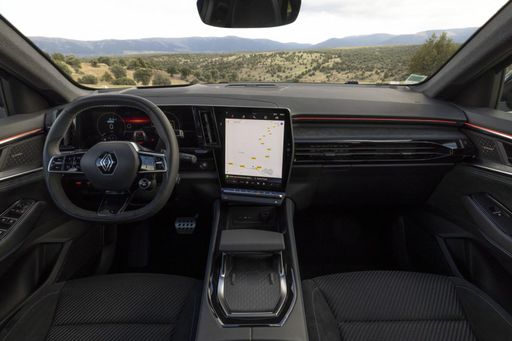
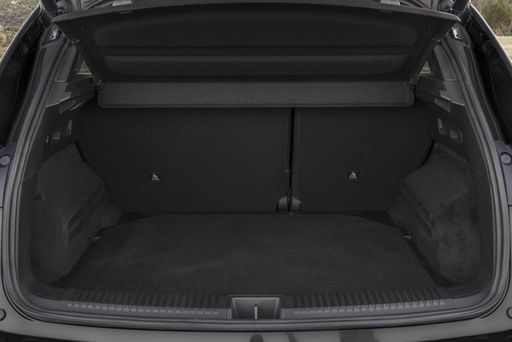
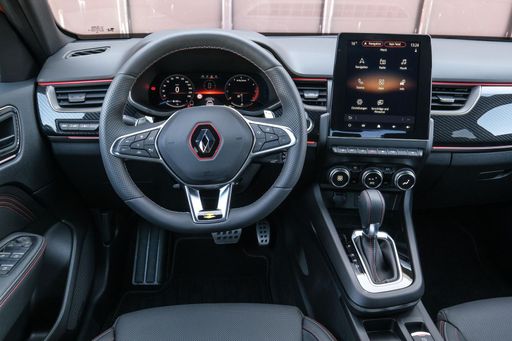
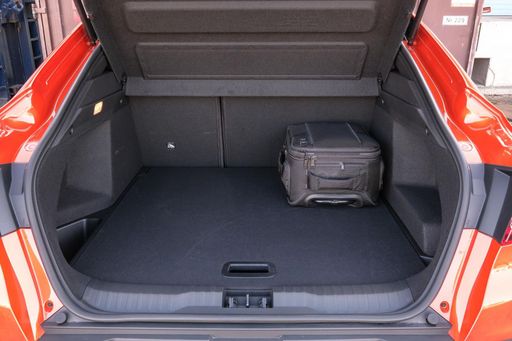
Interior design in both the Arkana and Austral focuses on driver convenience and passenger comfort. Both vehicles have a seating capacity of five and feature modern infotainment systems equipped with the latest technology. The Arkana’s trunk capacity ranges from 480 to 513 liters, while the Austral offers 500 to 430 liters of boot space depending on the configuration. This slight advantage in trunk space might appeal more to families or those with more cargo needs.

Arkana

Fuel Efficiency and Eco-friendliness

When it comes to eco-friendliness, both models exhibit impressive CO2 emissions figures. The Arkana’s emissions range from 106 to 135 g/km, while the Austral has a range from 105 to 139 g/km, placing them in competitive CO2 efficiency classes. The hybrid options in both vehicles represent a shift towards more sustainable driving, allowing eco-conscious consumers to minimize their environmental impact.

Austral

Final Thoughts: Which SUV Stands Out?

The Renault Arkana and Renault Austral offer distinct advantages, making the choice between the two largely dependent on individual preferences. The Arkana shines with slightly more trunk space and a broader range of engine choices, while the Austral impresses with its powerful engine options and greater acceleration capabilities. Ultimately, potential buyers will need to weigh these factors alongside personal taste in aesthetics and desired driving experience.

In conclusion, both the Renault Arkana and Austral exemplify Renault’s commitment to innovation, efficiency, and modern design, making them formidable contenders in today’s SUV landscape. Whether you are drawn to the Arkana’s sporty elegance or the Austral’s robust performance, both models present exciting opportunities for drivers seeking a dynamic and stylish ride.

Here’s where it gets real: The technical differences in detail

Austral

Costs and Efficiency:

Looking at overall running costs, both models reveal some interesting differences in everyday economy.

Renault Arkana is only slightly cheaper – starting at 28,500 £ , while the Renault Austral costs 29,900 £ . That’s a price difference of around 1,457 £.

Fuel consumption also shows a difference: the Renault Arkana uses 4.7 L/100km and is marginally more efficient than the Renault Austral with 4.8 L/100km. The difference is about 0.1 L/100km.

Arkana

Engine and Performance:

Power, torque and acceleration say a lot about how a car feels on the road. This is where you see which model delivers more driving dynamics.

When it comes to engine power, the Renault Austral offers noticeably more power – delivering 200 HP compared to 143 HP. That’s roughly 57 HP more horsepower.

When accelerating from 0 to 100 km/h, the Renault Austral is clearly quicker – completing the sprint in 8.4 s, while the Renault Arkana takes 10.8 s. That’s about 2.4 s quicker.

There’s also a difference in torque: the Renault Austral delivers clearly more torque with 270 Nm compared to 205 Nm. That’s about 65 Nm more.

Austral

Space and Everyday Use:

Whether family car or daily driver – which one offers more room, flexibility and comfort?

Both vehicles offer seating for 5 people.

In terms of curb weight, Renault Arkana is barely lighter – 1,510 kg compared to 1,548 kg. The difference is around 38 kg.

When it comes to payload, the Renault Austral carries marginally more – 477 kg compared to 451 kg. That’s a difference of about 26 kg.

Who wins the race in the data check?

The Renault Austral is far ahead overall in the objective data comparison.
This result only shows which model scores more points on paper – not which of the two cars feels right for you.

from £29,900
Austral

Renault Austral

  • Engine Type : Full Hybrid, Petrol MHEV
  • Transmission : Automatic
  • Drive Type : Front-Wheel Drive
  • Power HP : 148 - 200 HP
  • Consumption L/100km : 4.8 - 6.4 L/100km
Renault Austral
Renault Arkana

Costs and Consumption

View detailed analysis

Engine and Performance

View detailed analysis

Dimensions and Body

View detailed analysis

Renault Austral

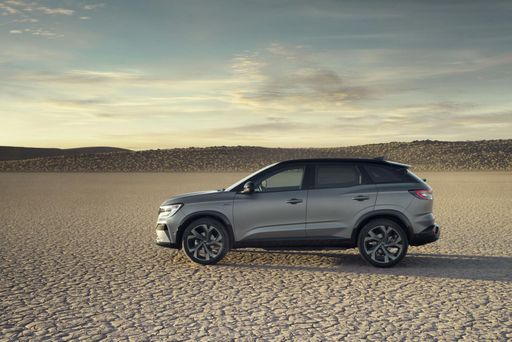
The Renault Austral dresses the family SUV in elegant modern looks and a surprisingly grown-up cabin that feels thoughtful and livable. It balances comfort and clever technology with a relaxed road presence—an appealing choice for buyers who want style and everyday sense without fuss.

details

Renault Arkana

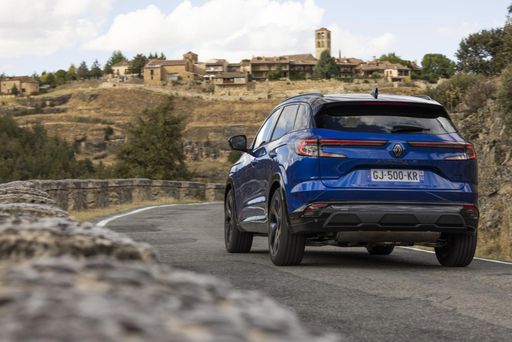
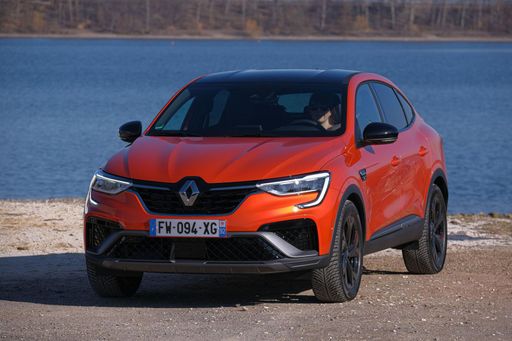
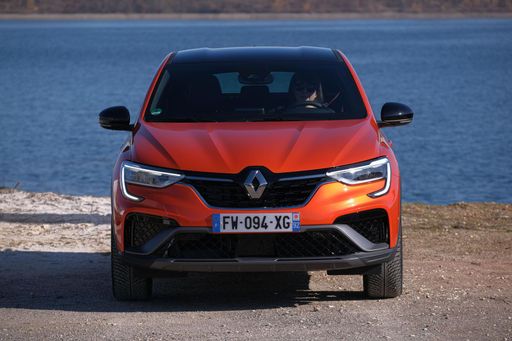
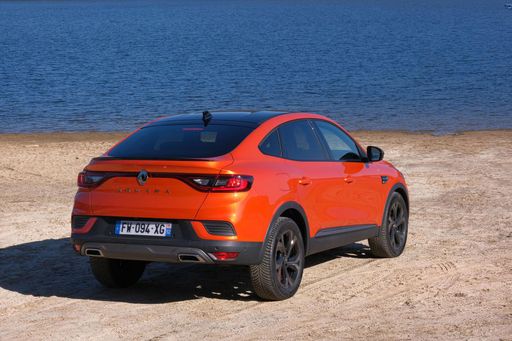
The Arkana stands out with its striking coupe-SUV design, blending sporty aesthetics with practicality. Its bold silhouette and high ride height offer a unique presence on the road, attracting attention wherever it goes. Inside, the Arkana combines modern technology with comfort, making it a versatile choice for both city driving and weekend getaways.

details
Renault Austral
Renault Arkana

Costs and Consumption

Price
29,900 - 37,800 £
Price
28,500 - 31,900 £
Consumption L/100km
4.8 - 6.4 L/100km
Consumption L/100km
4.7 L/100km
Consumption kWh/100km
-
Consumption kWh/100km
-
Electric Range
-
Electric Range
-
Battery Capacity
-
Battery Capacity
-
co2
109 - 145 g/km
co2
106 g/km
Fuel tank capacity
55 L
Fuel tank capacity
-

Dimensions and Body

Body Type
SUV
Body Type
SUV
Seats
5
Seats
5
Doors
5
Doors
-
Curb weight
1,548 - 1,613 kg
Curb weight
1,510 kg
Trunk capacity
527 L
Trunk capacity
-
Length
4,533 mm
Length
-
Width
1,825 mm
Width
1,821 mm
Height
1,645 mm
Height
-
Max trunk capacity
1,736 L
Max trunk capacity
-
Payload
455 - 477 kg
Payload
451 kg

Engine and Performance

Engine Type
Full Hybrid, Petrol MHEV
Engine Type
Full Hybrid
Transmission
Automatic
Transmission
Automatic
Transmission Detail
Automatic Gearbox, CVT
Transmission Detail
Automatic Gearbox
Drive Type
Front-Wheel Drive
Drive Type
Front-Wheel Drive
Power HP
148 - 200 HP
Power HP
143 HP
Acceleration 0-100km/h
8.4 - 9.9 s
Acceleration 0-100km/h
10.8 s
Max Speed
180 km/h
Max Speed
-
Torque
270 Nm
Torque
205 Nm
Number of Cylinders
3 - 4
Number of Cylinders
4
Power kW
109 - 147 kW
Power kW
105 kW
Engine capacity
1,199 - 1,332 cm3
Engine capacity
1,598 cm3

General

Model Year
2,025
Model Year
2,025
CO2 Efficiency Class
C, E
CO2 Efficiency Class
C
Brand
Renault
Brand
Renault
DriveDuel uses data analysis and artificial intelligence to evaluate vehicle data and create content. Content is regularly reviewed and improved. The displayed prices are estimates based on German list prices, adjusted to the respective country’s VAT. Country-specific registration taxes are not included. This information is not legally binding.