VS

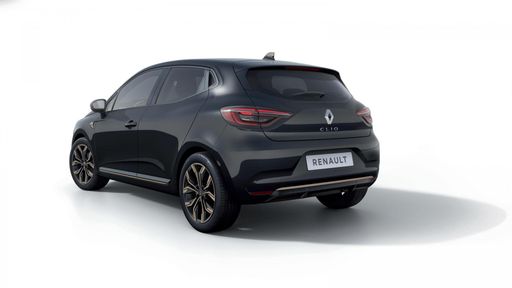
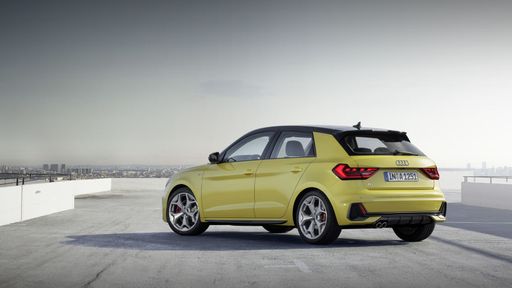
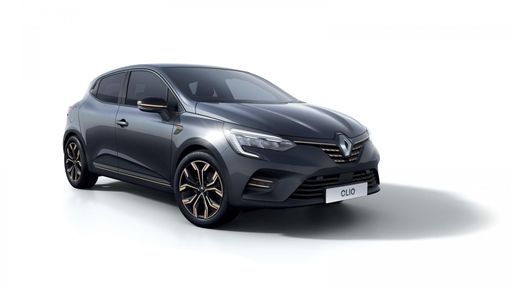
Renault Clio vs Audi A1 comparison

Compare performance (158 HP vs 207 HP), boot space and price (17,100 £ vs 20,000 £ ) at a glance. Find out which car is the better choice for you – Renault Clio or Audi A1?

Renault Clio vs Audi A1: Key differences

Renault Clio

4.7 (1 Reviews)
rate
  • moderately cheaper
  • clearly more efficient
details

Audi A1

2.4 (1 Reviews)
rate
  • clearly more power
  • visibly quicker 0–100 km/h
  • only slightly lighter
  • barely more trunk space
details

All details on performance, efficiency, range and trunk space can be found in the technical comparison below – including user reviews for both models.

By Achim Sedelmaier

Clio

Overview: Audi A1 and Renault Clio in direct comparison

The Audi A1 and Renault Clio sit on opposite ends of the compact class personality spectrum, which makes an Audi A1 VS Renault Clio comparison a useful exercise for real buyers. The Audi A1 aims for a premium, tightly packaged city car that borrows grown‑up cues from larger Audis, while the Renault Clio prioritises low running costs, usable tech and family practicality. That means the A1 sells refinement, sharper handling and brand cachet, whereas the Clio sells efficiency, space for luggage and a modern, Google‑centred infotainment experience. In everyday terms the trade‑off is clear: the Audi A1 asks you to pay more for feel and finish, the Renault Clio asks you to accept some compromises in rear space for lower fuel bills and better standard equipment. Read on to see how those high‑level differences play out in driving, comfort and daily usability.
A1

Driving character: sportier feel versus efficiency‑first tuning

The Audi A1 drives like a condensed premium hatch, with crisper turn‑in, firmer damping and a sensation of extra mid‑range shove compared with the Renault Clio. The Renault Clio, especially with its hybrid setup, tends to be more measured: it rewards smooth inputs and economy rather than aggressive throttle work, and its gearbox logic sometimes interrupts the sense of immediacy. That contrast matters if you enjoy flickable, planted responses—the Audi A1 will please drivers who like a tighter chassis—whereas the Renault Clio will suit buyers who prefer calm, predictable progress with an emphasis on low consumption. Both are competent on twisty roads, but the A1 leans sporty while the Clio leans composed and efficient. Expect the Audi A1 to feel more eager; expect the Renault Clio to feel steadier when measured miles and economy are the priority.

Clio

Comfort and long‑distance behavior: noise vs. serenity

On long runs the Audi A1 and Renault Clio diverge in how they treat occupants: the Audi A1 rewards precision but can telegraph sharp imperfections and tyre roar into the cabin when fitted with larger wheels. The Renault Clio tends to offer a more forgiving ride and lower cruising noise, which makes it easier to cover motorway miles without fatigue and helps the hybrid keep consumption in check. If you do long drives frequently and value serenity, the Renault Clio’s composure will feel more relaxed; if you prioritise steering feel and a taut platform, the Audi A1 will feel more involving albeit sometimes at the cost of refinement. Both cars hold the road well on highways, but the difference is whether you prefer a quieter cocoon or a firmer, more communicative chassis. In short: Renault Clio for cruising comfort, Audi A1 for engaged steering and stability with a firmer edge.

A1

City life and everyday practicality: parking, boots and stop‑start traffic

In urban use the Audi A1 and Renault Clio take different practical approaches: the Audi A1’s compact footprint and sharp steering make it easy to manoeuvre and park, while the Renault Clio’s hybrid electric assistance and very economical operation make it kinder to the weekly fuel bill. The Renault Clio offers a roomier boot in its non‑hybrid form and generally better equipment for the money, but hybrid versions have a smaller luggage area and a higher load lip that can annoy if you lift heavy items regularly. The Audi A1’s trunk is impressively usable for the class and its five‑door layout is genuinely practical for boarding children or groceries, yet Audi’s options list can push the price up quickly compared with the Clio’s more generous standard spec. For stop‑start city commuting the Renault Clio’s hybrid drive feels naturally suited, whereas the Audi A1 rewards drivers who value agile steering and a more premium cabin when navigating town.

Clio

Interior, infotainment and perceived quality: premium image vs smart value

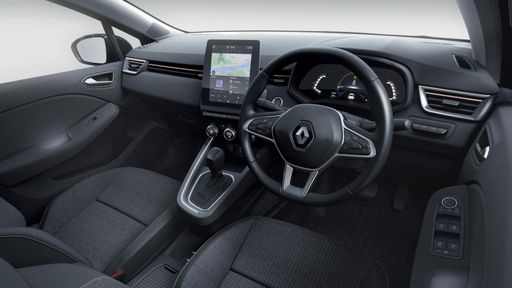
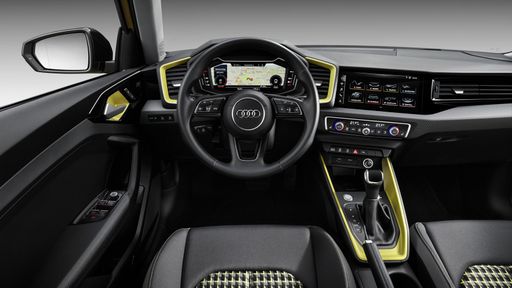
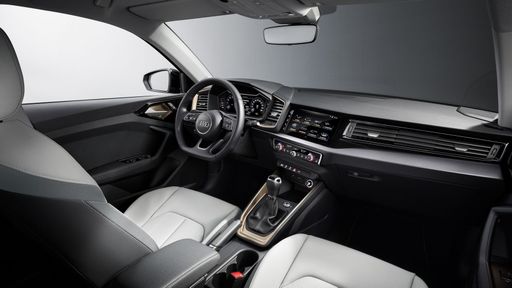
The Audi A1 projects a premium image with a crisp digital cockpit and carefully styled controls, but the Renault Clio punches back with a slick, Google‑based infotainment system that is exceptionally usable and continually updated. The Audi A1’s surfaces and detailing often feel closer to an upmarket car, although close inspection reveals more hard plastics than the badge might imply; the Renault Clio shows obvious variation between trims, where top levels lift the ambience considerably. Both cars keep physical climate controls for everyday convenience, but the A1 leans on a polished, minimal interface while the Clio prefers a more straightforward, connected layout that works with apps and voice. If perceived brand prestige and tactile switchgear matter, the Audi A1 will satisfy; if intuitive software, better baseline equipment and long‑term value matter, the Renault Clio points the way.

A1

Buyer fit and the trade‑offs that decide the purchase

Choosing between the Audi A1 and Renault Clio comes down to priorities: the Audi A1 suits buyers who want a compact car with premium styling, sharper dynamics and a stronger brand statement, while the Renault Clio suits buyers who want low running costs, roomy luggage for the class and a forward‑looking infotainment package. Small families or commuters who frequently cover long motorway distances but still want a quiet, economical car will find the Renault Clio compelling, whereas style‑ and tech‑conscious city drivers who accept a firmer ride and a higher purchase price will gravitate to the Audi A1. Both cars are sensible compact choices, but the differences are practical and immediate—decide if you pay a premium for feel and badge (Audi A1) or save money and gain efficiency and kit (Renault Clio). The following technical comparison breaks down the mechanical and equipment contrasts so you can match those trade‑offs to exact needs.

Here’s where it gets real: The technical differences in detail

Clio

Costs and Efficiency:

When it comes to price and running costs, the biggest differences usually appear. This is often where you see which car fits your budget better in the long run.

Renault Clio is moderately cheaper – starting at 17,100 £ , while the Audi A1 costs 20,000 £ . That’s a price difference of around 2,914 £.

Fuel consumption also shows a difference: the Renault Clio uses 4.1 L/100km and is clearly more efficient than the Audi A1 with 5.2 L/100km. The difference is about 1.1 L/100km.

A1

Engine and Performance:

Power, torque and acceleration say a lot about how a car feels on the road. This is where you see which model delivers more driving dynamics.

When it comes to engine power, the Audi A1 offers clearly more power – delivering 207 HP compared to 158 HP. That’s roughly 49 HP more horsepower.

When accelerating from 0 to 100 km/h, the Audi A1 is visibly quicker – completing the sprint in 6.5 s, while the Renault Clio takes 8.3 s. That’s about 1.8 s quicker.

There’s also a difference in torque: the Audi A1 delivers considerably more torque with 320 Nm compared to 190 Nm. That’s about 130 Nm more.

Clio

Space and Everyday Use:

Whether family car or daily driver – which one offers more room, flexibility and comfort?

Both vehicles offer seating for 5 people.

In terms of curb weight, Audi A1 is only slightly lighter – 1,175 kg compared to 1,202 kg. The difference is around 27 kg.

Looking at boot space, the Audi A1 offers barely more boot space – 335 L compared to 327 L. That’s a difference of about 8 L.

When it comes to payload, the Audi A1 carries marginally more – 470 kg compared to 463 kg. That’s a difference of about 7 kg.

Who wins the race in the data check?

The Audi A1 comes out clearly ahead in the objective data comparison.
This result only shows which model scores more points on paper – not which of the two cars feels right for you.

from £20,000
A1

Audi A1

  • Engine Type : Petrol
  • Transmission : Manuel, Automatic
  • Drive Type : Front-Wheel Drive
  • Power HP : 95 - 207 HP
  • Consumption L/100km : 5.2 - 6.4 L/100km
Renault Clio
Audi A1

Costs and Consumption

View detailed analysis

Engine and Performance

View detailed analysis

Dimensions and Body

View detailed analysis

Renault Clio

The Renault Clio is a smartly styled and practical compact hatch that feels at home in city traffic while offering a surprisingly refined ride. It pairs user-friendly tech and a comfortable interior with a reputation for being economical and easy to live with.

details

Audi A1

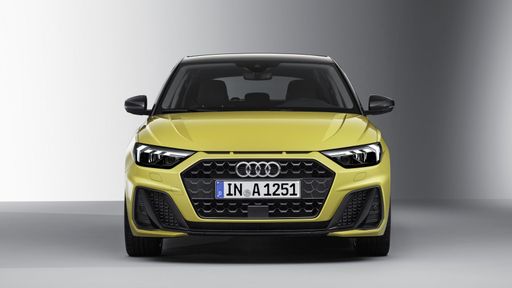
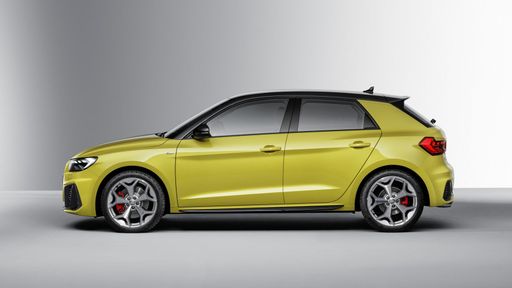
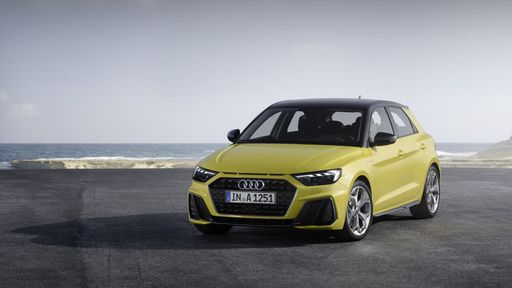
The Audi A1 is a compact premium hatch that wraps Audi's polished design and surprisingly grown-up cabin into a city-friendly package. It’s poised and fun to drive, a smart pick for buyers who want luxury flair without the fuss of a bigger car — and it makes tight parking feel almost enjoyable.

details
Renault Clio
Audi A1

Costs and Consumption

Price
17,100 - 23,700 £
Price
20,000 - 28,800 £
Consumption L/100km
4.1 - 5.2 L/100km
Consumption L/100km
5.2 - 6.4 L/100km
Consumption kWh/100km
-
Consumption kWh/100km
-
Electric Range
-
Electric Range
-
Battery Capacity
-
Battery Capacity
-
co2
92 - 118 g/km
co2
118 - 146 g/km
Fuel tank capacity
-
Fuel tank capacity
-

Dimensions and Body

Body Type
Hatchback
Body Type
Hatchback
Seats
5
Seats
5
Doors
-
Doors
-
Curb weight
1,202 - 1,316 kg
Curb weight
1,175 - 1,365 kg
Trunk capacity
301 - 327 L
Trunk capacity
335 L
Length
-
Length
-
Width
1,768 mm
Width
1,740 - 1,756 mm
Height
-
Height
-
Max trunk capacity
-
Max trunk capacity
-
Payload
453 - 463 kg
Payload
410 - 470 kg

Engine and Performance

Engine Type
Petrol, Full Hybrid
Engine Type
Petrol
Transmission
Manuel, Automatic
Transmission
Manuel, Automatic
Transmission Detail
Manual Gearbox, Dual-Clutch Automatic, Automatic Gearbox
Transmission Detail
Manual Gearbox, Dual-Clutch Automatic
Drive Type
Front-Wheel Drive
Drive Type
Front-Wheel Drive
Power HP
115 - 158 HP
Power HP
95 - 207 HP
Acceleration 0-100km/h
8.3 - 10.3 s
Acceleration 0-100km/h
6.5 - 11.5 s
Max Speed
-
Max Speed
-
Torque
190 Nm
Torque
175 - 320 Nm
Number of Cylinders
3 - 4
Number of Cylinders
3 - 4
Power kW
84 - 116 kW
Power kW
70 - 152 kW
Engine capacity
1,199 - 1,789 cm3
Engine capacity
999 - 1,984 cm3

General

Model Year
2026
Model Year
2025
CO2 Efficiency Class
C, D, B
CO2 Efficiency Class
D, E
Brand
Renault
Brand
Audi
DriveDuel uses data analysis and artificial intelligence to evaluate vehicle data and create content. Content is regularly reviewed and improved. The displayed prices are estimates based on German list prices, adjusted to the respective country’s VAT. Country-specific registration taxes are not included. This information is not legally binding.