VS

Tesla Model Y vs BMW iX1 comparison

Compare performance (460 HP vs 313 HP), boot space and price (34,300 £ vs 42,300 £ ) at a glance. Find out which car is the better choice for you – Tesla Model Y or BMW iX1?

Tesla Model Y vs BMW iX1: Key differences

Tesla Model Y

4.5 (4 Reviews)
rate
  • visibly cheaper
  • markedly more power
  • a bit more efficient
  • clearly more electric range
  • clearly quicker 0–100 km/h
  • substantially more trunk space

BMW iX1

4.7 (3 Reviews)
rate
  • barely lighter

All details on performance, efficiency, range and trunk space can be found in the technical comparison below – including user reviews for both models.

Model Y

When it comes to electric SUVs, the competition is fierce, with automakers pushing the limits of technology and innovation. In this article, we will compare two noteworthy contenders: the BMW iX1 and the Tesla Model Y. Both vehicles promise performance, luxury, and practicality, but how do they stack up against each other?
iX1

Design and Dimensions

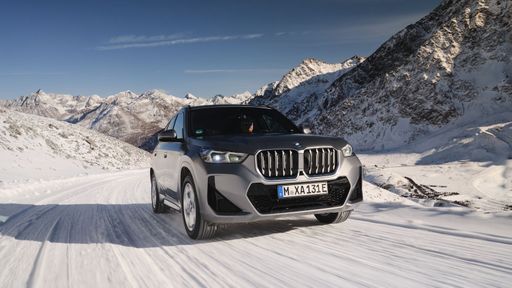
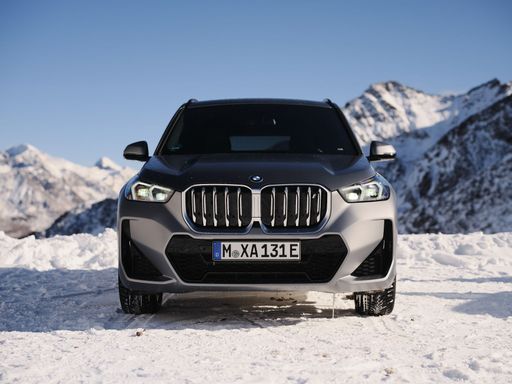
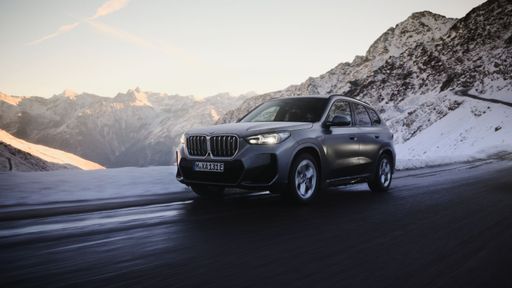
The BMW iX1 presents a compact yet robust silhouette typical of the brand's design ethos. With a length of 4500 mm and a height of 1616 mm, it offers a sporty feel without compromising utility. The iX1 has a trunk capacity of 490 liters, providing ample storage for weekend getaways or grocery runs.

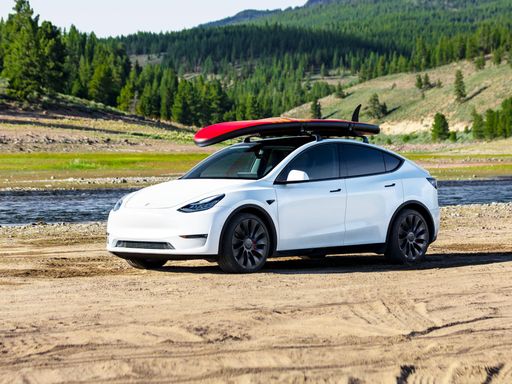
On the other hand, the Tesla Model Y measures 4751 mm in length and 1624 mm in height, making it slightly larger. It also boasts a more generous trunk capacity with options of 363 liters behind the second row and up to 854 liters with the seats down. This additional space may appeal to families or those needing that extra practicality.

Model Y

Performance and Powertrains

Under the hood, the BMW iX1 offers two power variants: a 204 HP front-wheel-drive version and a powerful 313 HP all-wheel-drive model. It can accelerate from 0 to 100 km/h in just 5.6 seconds, showcasing its sporty ambitions. The iX1 demonstrates impressive efficiency, with a consumption rate of 15.8 kWh/100 km and an electric range of 463 km on the larger battery.

The Tesla Model Y, however, raises the stakes with a range of options generating up to 534 HP, making it more powerful than the iX1. The performance models can achieve a 0-100 km/h time of just 3.7 seconds. Even the standard versions have commendable efficiency figures, with consumption rates as low as 14.9 kWh/100 km and an impressive electric range reaching up to 600 km.

iX1

Driving Experience and Features

Both vehicles come equipped with advanced driving technologies. The BMW iX1 features an automatic transmission with a reduction gearbox, emphasizing smooth acceleration and driving comfort. It also has various driving modes to accommodate different preferences, from eco-friendly settings to sportier dynamics.

The Model Y’s automatic transmission is similarly equipped, but Tesla’s offerings frequently highlight their Autopilot hardware and advanced driving assistance features that are touted for their ability to make driving more effortless.

Model Y

Battery Technologies and Charging

When it comes to battery capacity, the BMW iX1 relies on a 64.8 kWh battery, while the Tesla Model Y's battery options range from 62 kWh to 79 kWh, depending on the model. Tesla is renowned for its Supercharger network, allowing for rapid charging capabilities, while BMW is also developing its charging infrastructure to match the demand for electric vehicles.

iX1

Interior and Comfort

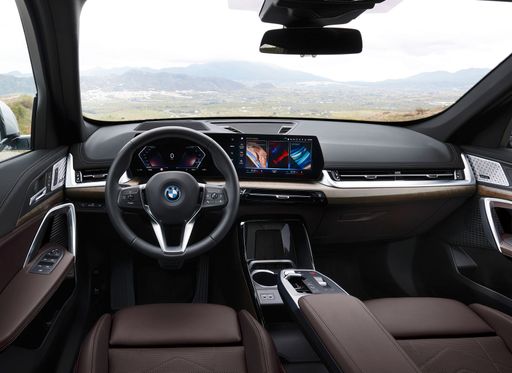
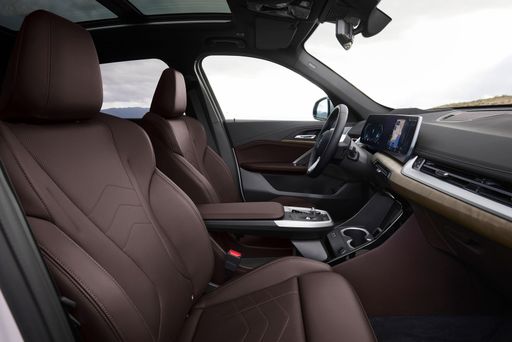
Inside the BMW iX1, high-quality materials and solid craftsmanship are evident. The dashboard features BMW's latest iDrive system, providing an intuitive user interface for infotainment and navigation. Five seats are standard, accommodating passengers comfortably without feeling cramped.

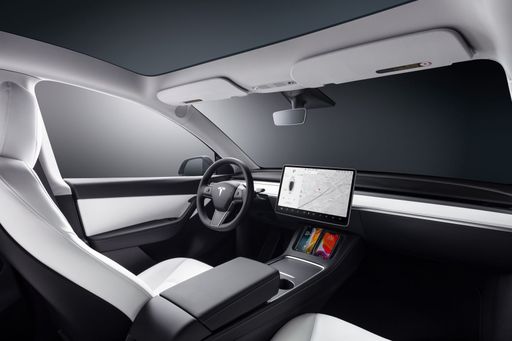
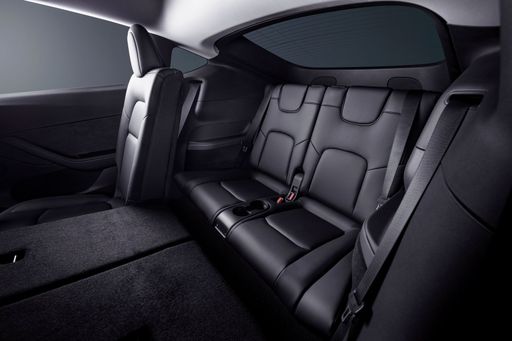
In contrast, the Tesla Model Y’s minimalist interior showcases a large touchscreen that controls nearly all the car’s functions, which some users may find more straightforward. With options for a third row of seating, Model Y can accommodate up to seven passengers, effectively catering to larger families.

Model Y

Battery Sustainability and Environmental Impact

Both vehicles boast zero CO2 emissions, thanks to their all-electric powertrains. Additionally, BMW has been making strides in sustainability, with the iX1 being built using recyclable materials and focusing on a circular economy approach.

Tesla's commitment to sustainability is evident through its extensive use of renewable energy for production and its ongoing efforts to develop battery recycling technology, further minimizing the environmental impact of electric vehicles.

iX1

Conclusion: The Verdict

Choosing between the BMW iX1 and the Tesla Model Y ultimately boils down to individual preferences and priorities. The iX1 offers a robust build, luxurious interior, and sporty handling, making it an excellent choice for those who prioritize driving experience and brand quality.

On the other hand, the Tesla Model Y excels in performance, range, and practicality, making it a perfect fit for technology enthusiasts and families alike. Whichever you choose, both vehicles represent significant advancements in the electric SUV market.

Here’s where it gets real: The technical differences in detail

Model Y

Costs and Efficiency:

Looking at overall running costs, both models reveal some interesting differences in everyday economy.

Tesla Model Y is visibly cheaper – starting at 34,300 £ , while the BMW iX1 costs 42,300 £ . That’s a price difference of around 8,065 £.

In terms of energy consumption, the Tesla Model Y is a bit more efficient: consuming 12.7 kWh/100km compared to 14.3 kWh/100km for the BMW iX1. That’s a difference of about 1.6 kWh/100km.

As for electric range, the Tesla Model Y offers clearly more range – reaching up to 657 km, about 143 km more than the BMW iX1.

iX1

Engine and Performance:

Power, torque and acceleration are the classic benchmarks for car enthusiasts – and here, some clear differences start to show.

When it comes to engine power, the Tesla Model Y offers markedly more power – delivering 460 HP compared to 313 HP. That’s roughly 147 HP more horsepower.

When accelerating from 0 to 100 km/h, the Tesla Model Y is clearly quicker – completing the sprint in 3.5 s, while the BMW iX1 takes 5.6 s. That’s about 2.1 s quicker.

There’s also a difference in torque: the Tesla Model Y delivers markedly more torque with 660 Nm compared to 494 Nm. That’s about 166 Nm more.

Model Y

Space and Everyday Use:

Cabin size, boot volume and payload all play a role in everyday practicality. Here, comfort and flexibility make the difference.

Seats: Tesla Model Y offers more seats – 7 vs 5.

In terms of curb weight, BMW iX1 is barely lighter – 1,940 kg compared to 1,953 kg. The difference is around 13 kg.

Looking at boot space, the Tesla Model Y offers substantially more boot space – 822 L compared to 490 L. That’s a difference of about 332 L.

When it comes to payload, the BMW iX1 carries marginally more – 495 kg compared to 472 kg. That’s a difference of about 23 kg.

Who wins the race in the data check?

The Tesla Model Y holds a decisive overall lead in the objective data comparison.
This result only shows which model scores more points on paper – not which of the two cars feels right for you.

from £34,300
Model Y

Tesla Model Y

  • Engine Type : Electric
  • Transmission : Automatic
  • Drive Type : All-Wheel Drive, Rear-Wheel Drive
  • Power HP : 299 - 460 HP
  • Consumption kWh/100km : 12.7 - 16.2 kWh/100km
  • Electric Range : 534 - 657 km
Tesla Model Y
BMW iX1

Costs and Consumption

View detailed analysis

Engine and Performance

View detailed analysis

Dimensions and Body

View detailed analysis

Tesla Model Y

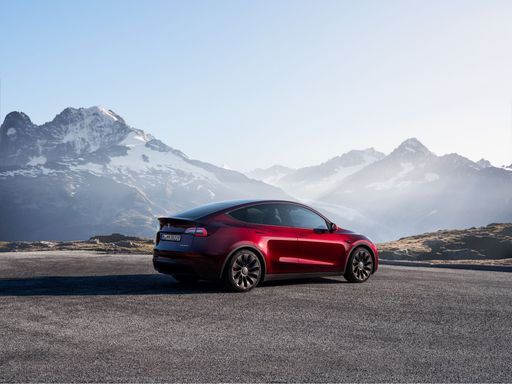
The Tesla Model Y blends SUV practicality with sports-car poke, wrapping a roomy, minimalist cabin and handy hatch into a slick, aerodynamic package that feels more Silicon Valley gadget than garage ornament. It’s an ideal pick for buyers who want effortless electric driving, regular software improvements and access to Tesla’s convenient charging network, though style-conscious shoppers should know it’s more about tech and efficiency than classic luxury.

details

BMW iX1

The BMW iX1 wraps BMW's electric ambition into a compact SUV package that feels unexpectedly premium, with sharp handling and a crisp, modern cabin that keeps the driver in charge. It's ideal for buyers who want a stylish, quiet daily driver with useful practicality and tech-savvy touches — plus enough character to make the commute feel less like a chore and more like a short joyride.

details
Tesla Model Y
BMW iX1

Costs and Consumption

Price
34,300 - 53,100 £
Price
42,300 - 55,200 £
Consumption L/100km
-
Consumption L/100km
-
Consumption kWh/100km
12.7 - 16.2 kWh/100km
Consumption kWh/100km
14.3 - 15.7 kWh/100km
Electric Range
534 - 657 km
Electric Range
466 - 514 km
Battery Capacity
64.5 - 83 kWh
Battery Capacity
-
co2
0 g/km
co2
0 g/km
Fuel tank capacity
-
Fuel tank capacity
-

Dimensions and Body

Body Type
SUV
Body Type
SUV
Seats
5 - 7
Seats
5
Doors
5
Doors
-
Curb weight
1,953 - 2,108 kg
Curb weight
1,940 - 2,085 kg
Trunk capacity
822 L
Trunk capacity
490 L
Length
4,790 - 4,797 mm
Length
-
Width
1,920 - 1,921 mm
Width
1,845 mm
Height
1,621 - 1,624 mm
Height
-
Max trunk capacity
2,118 - 2,138 L
Max trunk capacity
-
Payload
435 - 472 kg
Payload
495 kg

Engine and Performance

Engine Type
Electric
Engine Type
Electric
Transmission
Automatic
Transmission
Automatic
Transmission Detail
Reduction Gearbox
Transmission Detail
Reduction Gearbox
Drive Type
All-Wheel Drive, Rear-Wheel Drive
Drive Type
Front-Wheel Drive, All-Wheel Drive
Power HP
299 - 460 HP
Power HP
204 - 313 HP
Acceleration 0-100km/h
3.5 - 7.2 s
Acceleration 0-100km/h
5.6 - 8.6 s
Max Speed
201 km/h
Max Speed
-
Torque
420 - 660 Nm
Torque
250 - 494 Nm
Number of Cylinders
-
Number of Cylinders
-
Power kW
220 - 338 kW
Power kW
150 - 230 kW
Engine capacity
-
Engine capacity
-

General

Model Year
2,025 - 2,026
Model Year
2,026
CO2 Efficiency Class
A
CO2 Efficiency Class
A
Brand
Tesla
Brand
BMW
DriveDuel uses data analysis and artificial intelligence to evaluate vehicle data and create content. Content is regularly reviewed and improved. The displayed prices are estimates based on German list prices, adjusted to the respective country’s VAT. Country-specific registration taxes are not included. This information is not legally binding.