VS

Toyota Yaris Cross vs Suzuki S-Cross comparison

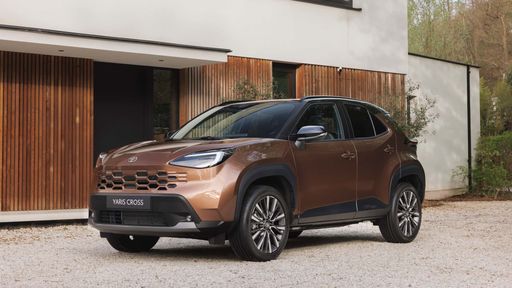
Compare performance (130 HP vs 110 HP), boot space and price (23,700 £ vs 21,800 £ ) at a glance. Find out which car is the better choice for you – Toyota Yaris Cross or Suzuki S-Cross?

Toyota Yaris Cross vs Suzuki S-Cross: Key differences

Toyota Yaris Cross

4.1 (9 Reviews)
rate
  • moderately more power
  • a bit more efficient
  • barely lighter

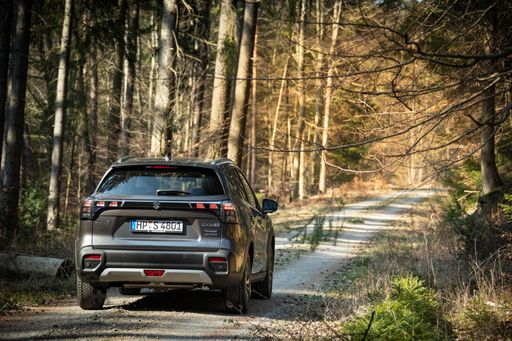
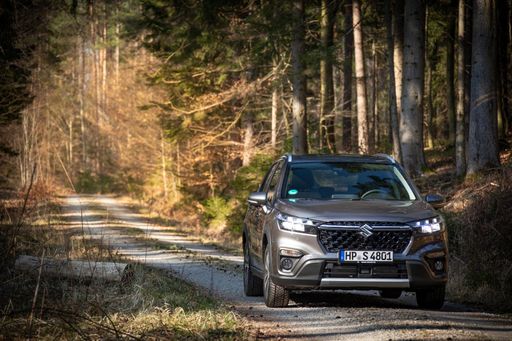
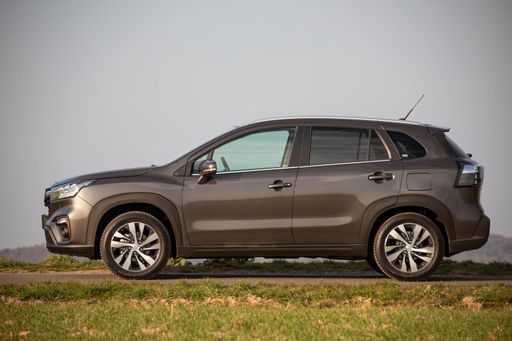
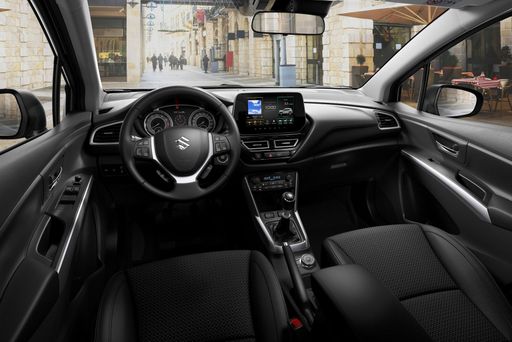
Suzuki S-Cross

4.7 (4 Reviews)
rate
  • marginally cheaper
  • barely more trunk space

All details on performance, efficiency, range and trunk space can be found in the technical comparison below – including user reviews for both models.

Yaris Cross

City slicker vs. sensible adventurer

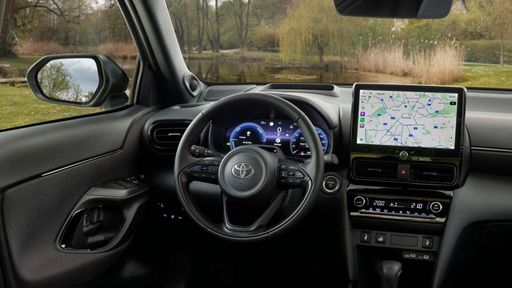
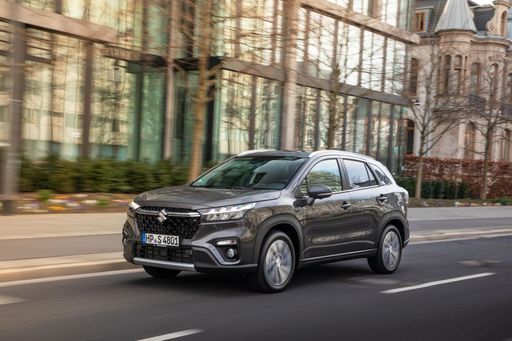
The duel on paper pairs a compact, style-conscious crossover with a more down-to-earth, practical rival, and they feel like characters from different neighbourhoods. The Suzuki S-Cross arrives with a no-nonsense, workmanlike charm that promises utility without fuss, while the Toyota Yaris Cross leans into a perkier, city-savvy persona that wants to be noticed at the lights. Put them side by side and you can already sense the different priorities each is trying to sell you.

S-Cross

Attitude and street presence

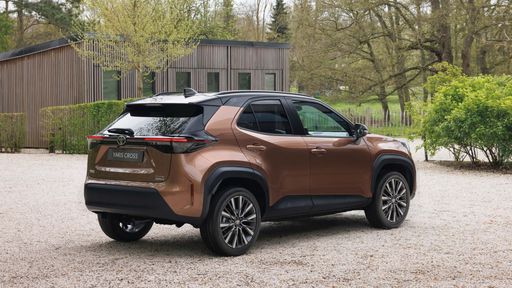
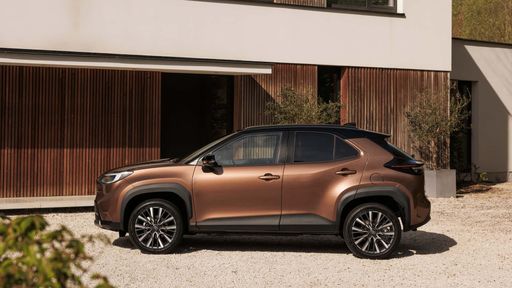
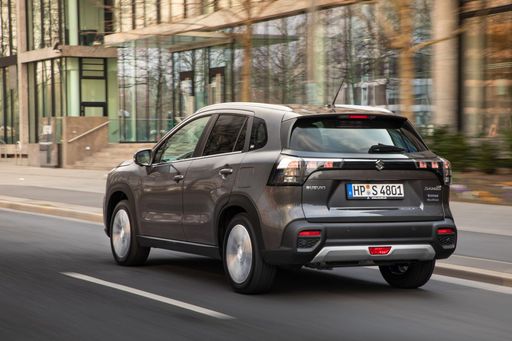
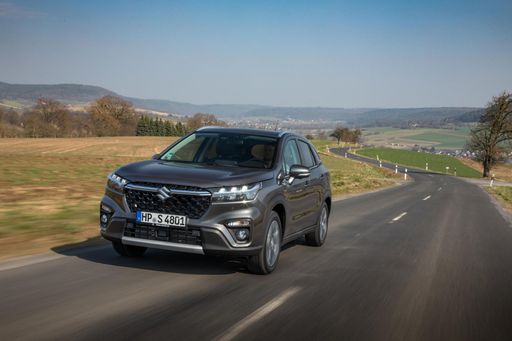
The S‑Cross projects quiet competence — restrained lines, sensible stance — like the car you’d trust for errands and weekend gear. The Yaris Cross trades subtlety for a more animated silhouette and a slightly cheekier road manner, which reads as youthful and modern. One whispers practicality, the other flirts with personality, and your taste in cars will tell you which whisper you prefer to hear every morning.

Yaris Cross

Daily life and real-world chores

In everyday use the S‑Cross feels composed and forgiving, built around easy loading, predictable space and a focus on making family life less fiddly. The Yaris Cross feels nimble around town, more at home in tight parking and traffic, and it makes short trips feel less of a production. For longer runs you’ll sense the S‑Cross’s calming temperament, while urban routines highlight the Yaris Cross’s quick-footedness.

S-Cross

What owning it says about you

Choosing the S‑Cross signals you value substance over show: you like things that work hard without shouting, and you prefer solutions that make life simpler. Opting for the Yaris Cross suggests you prize modernity and a bit of flair — you want a car that fits an active urban life and looks like you care about style. Neither choice is about vanity or necessity alone; it’s about which sort of daily companion you want riding shotgun.

Yaris Cross

Who should pick the Suzuki?

If what matters to you is straightforward usefulness and a calm, predictable ownership experience, the Suzuki S-Cross answers that call with minimal drama and maximum practicality. It’s a sensible pick for buyers juggling family logistics, weekend hobbies and a desire to avoid fuss at the petrol pump or the supermarket run. Think of it as the practical partner that keeps life moving without theatrics.

S-Cross

Who should pick the Toyota?

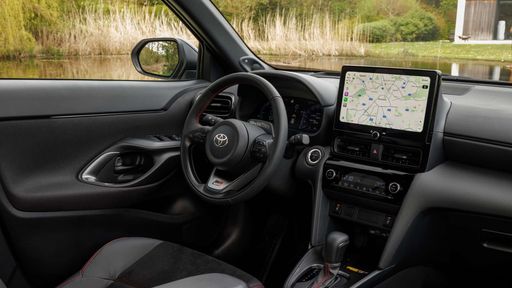
If what matters to you is urban agility, a fresher interior vibe and a car that looks at home on trendy streets, the Toyota Yaris Cross is tailored for that rhythm while still outmaneuvering the S‑Cross in the city shuffle. It suits drivers who enjoy a livelier on-road personality and a cabin that feels modern from the moment you climb in. Pick it if you want a crossover that plays well in town and packages everyday usability with a bit more attitude.

Here’s where it gets real: The technical differences in detail

Yaris Cross

Costs and Efficiency:

Price and efficiency are often the first things buyers look at. Here it becomes clear which model has the long-term edge – whether at the pump, the plug, or in purchase price.

Suzuki S-Cross is marginally cheaper – starting at 21,800 £ , while the Toyota Yaris Cross costs 23,700 £ . That’s a price difference of around 1,929 £.

Fuel consumption also shows a difference: the Toyota Yaris Cross uses 4.5 L/100km and is a bit more efficient than the Suzuki S-Cross with 5.3 L/100km. The difference is about 0.8 L/100km.

S-Cross

Engine and Performance:

Power, torque and acceleration say a lot about how a car feels on the road. This is where you see which model delivers more driving dynamics.

When it comes to engine power, the Toyota Yaris Cross offers moderately more power – delivering 130 HP compared to 110 HP. That’s roughly 20 HP more horsepower.

Yaris Cross

Space and Everyday Use:

Cabin size, boot volume and payload all play a role in everyday practicality. Here, comfort and flexibility make the difference.

Both vehicles offer seating for 5 people.

In terms of curb weight, Toyota Yaris Cross is barely lighter – 1,180 kg compared to 1,280 kg. The difference is around 100 kg.

Looking at boot space, the Suzuki S-Cross offers barely more boot space – 430 L compared to 397 L. That’s a difference of about 33 L.

When it comes to payload, the Toyota Yaris Cross carries noticeably more – 510 kg compared to 405 kg. That’s a difference of about 105 kg.

Who wins the race in the data check?

The Toyota Yaris Cross holds a decisive overall lead in the objective data comparison.
This result only shows which model scores more points on paper – not which of the two cars feels right for you.

from £23,700
Yaris Cross

Toyota Yaris Cross

  • Engine Type : Full Hybrid
  • Transmission : Automatic
  • Drive Type : Front-Wheel Drive, All-Wheel Drive
  • Power HP : 116 - 130 HP
  • Consumption L/100km : 4.5 - 4.8 L/100km
Toyota Yaris Cross
Suzuki S-Cross

Costs and Consumption

View detailed analysis

Engine and Performance

View detailed analysis

Dimensions and Body

View detailed analysis

Toyota Yaris Cross

The Toyota Yaris Cross takes the jaunty personality of the Yaris and gives it a taller stance and a bit more practicality, so you get city-friendly agility with added SUV presence. It’s easy to live with, economical on the daily grind, and smartly packaged — a sensible pick for buyers who want fuss-free transport with a touch of character.

details

Suzuki S-Cross

The Suzuki S-Cross is a neatly packaged crossover that puts everyday practicality ahead of showy theatrics, offering a comfortable cabin and predictable handling that suit family life and weekend errands alike. It’s not a headline-grabber, but its sensible packaging, low-key charm and reputation for reliability make it a shrewd choice for buyers who prefer smart value over flash.

details
Toyota Yaris Cross
Suzuki S-Cross

Costs and Consumption

Price
23,700 - 34,300 £
Price
21,800 - 34,200 £
Consumption L/100km
4.5 - 4.8 L/100km
Consumption L/100km
5.3 - 5.8 L/100km
Consumption kWh/100km
-
Consumption kWh/100km
-
Electric Range
-
Electric Range
-
Battery Capacity
-
Battery Capacity
-
co2
101 - 108 g/km
co2
119 - 138 g/km
Fuel tank capacity
-
Fuel tank capacity
47 L

Dimensions and Body

Body Type
SUV
Body Type
SUV
Seats
5
Seats
5
Doors
-
Doors
5
Curb weight
1,180 - 1,290 kg
Curb weight
1,280 - 1,385 kg
Trunk capacity
320 - 397 L
Trunk capacity
430 L
Length
-
Length
4,305 mm
Width
1,765 mm
Width
1,785 mm
Height
-
Height
1,580 mm
Max trunk capacity
-
Max trunk capacity
1,230 L
Payload
485 - 510 kg
Payload
395 - 405 kg

Engine and Performance

Engine Type
Full Hybrid
Engine Type
Petrol MHEV
Transmission
Automatic
Transmission
Manuel, Automatic
Transmission Detail
CVT
Transmission Detail
Manual Gearbox, Automatic Gearbox
Drive Type
Front-Wheel Drive, All-Wheel Drive
Drive Type
Front-Wheel Drive, All-Wheel Drive
Power HP
116 - 130 HP
Power HP
110 HP
Acceleration 0-100km/h
10.7 - 11.3 s
Acceleration 0-100km/h
-
Max Speed
-
Max Speed
180 - 185 km/h
Torque
-
Torque
235 Nm
Number of Cylinders
3
Number of Cylinders
4
Power kW
85 - 96 kW
Power kW
81 kW
Engine capacity
1,490 cm3
Engine capacity
1,373 cm3

General

Model Year
2,026
Model Year
2,025
CO2 Efficiency Class
C
CO2 Efficiency Class
D, E
Brand
Toyota
Brand
Suzuki
DriveDuel uses data analysis and artificial intelligence to evaluate vehicle data and create content. Content is regularly reviewed and improved. The displayed prices are estimates based on German list prices, adjusted to the respective country’s VAT. Country-specific registration taxes are not included. This information is not legally binding.