VS

Volvo EX60 vs Volvo EX90 comparison

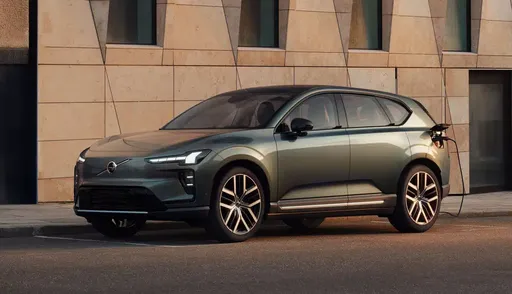
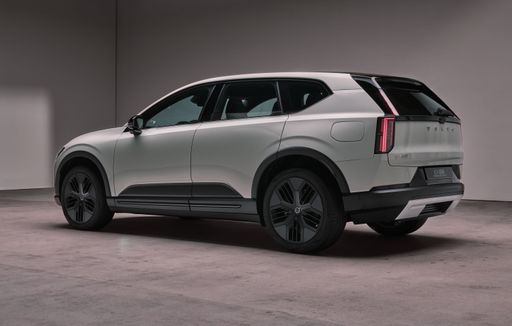
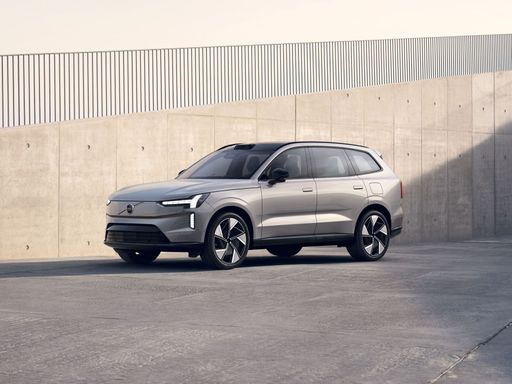
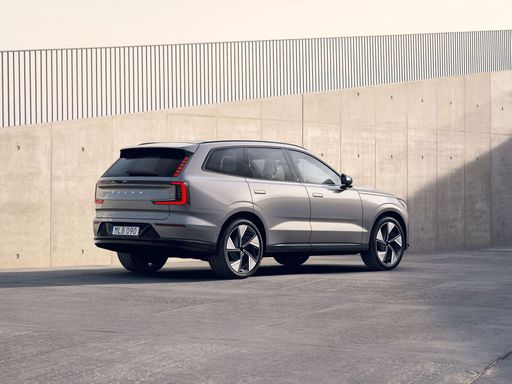
Compare performance (680 HP vs 680 HP), boot space and price (54,000 £ vs 73,700 £ ) at a glance. Find out which car is the better choice for you – Volvo EX60 or Volvo EX90?

Volvo EX60 vs Volvo EX90: Key differences

Volvo EX60

  • visibly cheaper
  • markedly more efficient
  • noticeably more electric range
  • only slightly quicker 0–100 km/h
  • somewhat lighter
details

Volvo EX90

2.6 (1 Reviews)
rate
details

All details on performance, efficiency, range and trunk space can be found in the technical comparison below – including user reviews for both models.

By Achim Sedelmaier

EX60

The large vs the lithe: Volvo EX90 VS Volvo EX60

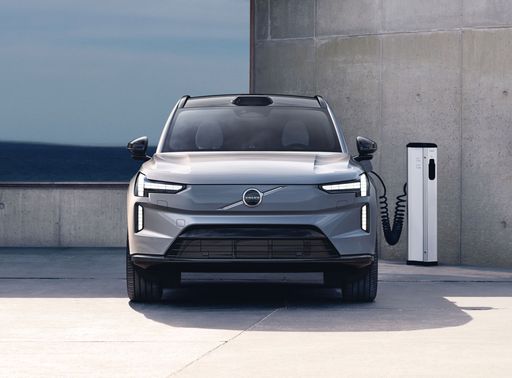
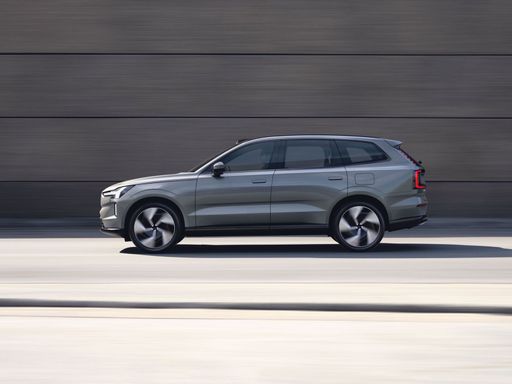
Volvo EX90 VS Volvo EX60 is the headline duel: two Volvos, two takes on the modern electric SUV idea, one cast as a roomy flagship and the other as a sleeker, more immediate alternative. The Volvo EX90 presents itself like a calm executive — deliberate, spacious and built around long-haul composure — while the Volvo EX60 pitches a sharper, more urban-friendly personality that wants to be driven. This comparison looks beyond badges to how each car behaves in daily life, what kind of driver they suit and where they sit in a buyer’s garage. Think of this as a buyer’s crossroads: presence versus agility, prestige versus practicality, both wearing the Volvo badge but saying different things on the road.

EX90

Two temperaments: stately calm vs lithe intent

The Volvo EX90 feels like a small living room on wheels — measured, insulated and tuned for serenity — whereas the Volvo EX60 feels tauter, with a bit more urban pep and a chassis that rewards purposeful inputs. Volvo EX90 leans into reassurance and a more boulevard-friendly demeanor; Volvo EX60 leans into engagement and easier manoeuvrability where space is tighter. Both carry a premium sheen, but the EX90 broadcasts gravitas while the EX60 telegraphs a contemporary, less fussy confidence. Choose the EX90 if you like to arrive calm and composed; pick the EX60 if you prefer your EV to feel sharper when the road narrows.

EX60

Which one fits your day-to-day life?

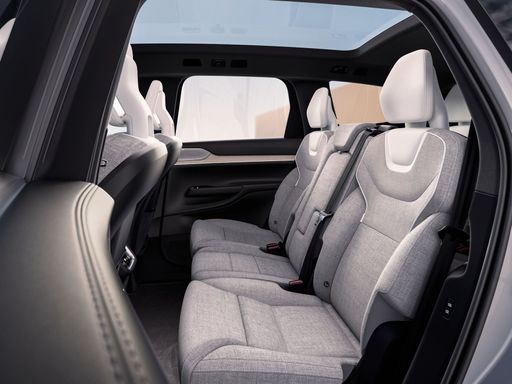
For family duties and long trips the Volvo EX90 is the obvious companion: it feels roomier, carries more people and luggage with a sense of ease, and its ride settles into long distances without fuss. The Volvo EX60 is better for urban runs, tighter parking, and drivers who value efficiency and everyday agility over maximum cabin breadth. Both Volvo EX90 and Volvo EX60 work for commutes, but the EX90 favors multi-person practicality while the EX60 rewards solo or couple-focused running about. Think about where you spend most of your miles — motorway comfort or city nimbleness — and that will tilt the scales.

EX90

Buying for image: reassurance or understated tech-cool?

Buyers who choose the Volvo EX90 often want visible reassurance: a car that reads as safe, substantial and reliably comfortable, the kind of vehicle that makes a statement without shouting. The Volvo EX60 sends a different message — contemporary, efficient and subtly sporty — which suits owners who want modernity and sensible flair without ostentation. Both cars wear Volvo’s design language well, but the EX90 looks like the family flagship, while the EX60 looks like the smart alternative for people who want cutting-edge without the bulk. If you care about how the car frames you at school runs or meetings, the choice between EX90 and EX60 tells a lot about your priorities.

Who should seriously consider the Volvo EX90?

If you prioritize relaxed long-distance comfort and practical space, the Volvo EX90 is tailored for you: it’s aimed at buyers who value calm, accommodating interiors and the ability to carry people or gear without compromise. The Volvo EX90 also suits those who put comfort and everyday usability ahead of sporty handling or tight-city agility, offering a reassuringly composed ride that shrugs off bad roads. Even if you like the EX60’s livelier feel, the EX90 will win on sheer presence and family-friendly utility when it matters most. In short: the EX90 is for buyers who need tranquility and capacity as part of their daily checklist.

Who should seriously consider the Volvo EX60 (and when the EX90 still tempts)?

The Volvo EX60 will appeal to efficiency-minded buyers and tech-focused drivers who prize a sharper driving feel, easier parking and a more modern, less-is-more aesthetic than a flagship SUV; it’s the choice for rational, style-conscious buyers who want low fuss and lively responses. That said, the Volvo EX90 remains tempting if your priorities shift toward extra space or a softer ride, so even EX60 shoppers should test the bigger Volvo to confirm their comfort threshold. If you want an electric Volvo that feels nimble in the city and crisp on a twisty road, the EX60 is the natural pick; if not, the EX90 gently reminds you why some people prefer bulk and calm. Read on for the detailed figures that reveal where the two really diverge.

Here’s where it gets real: The technical differences in detail

EX60

Costs and Efficiency:

Price and efficiency are often the first things buyers look at. Here it becomes clear which model has the long-term edge – whether at the pump, the plug, or in purchase price.

Volvo EX60 is visibly cheaper – starting at 54,000 £ , while the Volvo EX90 costs 73,700 £ . That’s a price difference of around 19,714 £.

In terms of energy consumption, the Volvo EX60 is markedly more efficient: consuming 14.7 kWh/100km compared to 17.8 kWh/100km for the Volvo EX90. That’s a difference of about 3.1 kWh/100km.

As for electric range, the Volvo EX60 offers noticeably more range – reaching up to 810 km, about 190 km more than the Volvo EX90.

EX90

Engine and Performance:

Power, torque and acceleration say a lot about how a car feels on the road. This is where you see which model delivers more driving dynamics.

Both models deliver identical power – 680 HP each.

When accelerating from 0 to 100 km/h, the Volvo EX60 is only slightly quicker – completing the sprint in 3.9 s, while the Volvo EX90 takes 4.2 s. That’s about 0.3 s quicker.

There’s also a difference in torque: the Volvo EX90 delivers only slightly more torque with 870 Nm compared to 790 Nm. That’s about 80 Nm more.

EX60

Space and Everyday Use:

Beyond pure performance, interior space and usability matter most in daily life. This is where you see which car is more practical and versatile.

Seats: Volvo EX90 offers more seats – 7 vs 5.

In terms of curb weight, Volvo EX60 is somewhat lighter – 2,190 kg compared to 2,555 kg. The difference is around 365 kg.

When it comes to payload, the Volvo EX90 carries noticeably more – 585 kg compared to 460 kg. That’s a difference of about 125 kg.

Who wins the race in the data check?

The Volvo EX60 stands out in the key areas in the objective data comparison.
This result only shows which model scores more points on paper – not which of the two cars feels right for you.

from £54,000
EX60

Volvo EX60

  • Engine Type : Electric
  • Transmission : Automatic
  • Drive Type : Rear-Wheel Drive, All-Wheel Drive
  • Power HP : 374 - 680 HP
  • Consumption kWh/100km : 14.7 - 16.2 kWh/100km
  • Electric Range : 620 - 810 km
Volvo EX60
Volvo EX90

Costs and Consumption

View detailed analysis

Engine and Performance

View detailed analysis

Dimensions and Body

View detailed analysis

Volvo EX60

The Volvo EX60 arrives as a sleek, family-friendly electric SUV that blends Scandinavian restraint with a surprising dash of personality, wrapping a calm, premium cabin around practical everyday usability. It’s aimed at buyers who prize safety and comfort but still want a car that rewards an enthusiastic drive, proving that sensible can be quietly fun.

details

Volvo EX90

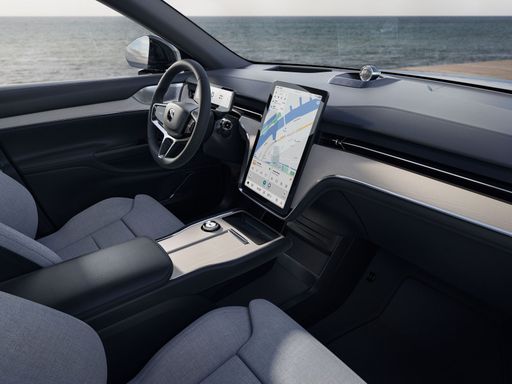
The Volvo EX90 feels like a Scandinavian fortress on wheels, combining serene luxury with smart safety features that make everyday driving remarkably calm and confident. It dresses cutting-edge electric technology in understated elegance, so buyers who want peace of mind without shouting about it will find it hard to resist.

details
Volvo EX60
Volvo EX90

Costs and Consumption

Price
54,000 - 70,100 £
Price
73,700 - 91,700 £
Consumption L/100km
-
Consumption L/100km
-
Consumption kWh/100km
14.7 - 16.2 kWh/100km
Consumption kWh/100km
17.8 - 19.3 kWh/100km
Electric Range
620 - 810 km
Electric Range
570 - 620 km
Battery Capacity
-
Battery Capacity
-
co2
0 g/km
co2
0 g/km
Fuel tank capacity
-
Fuel tank capacity
-

Dimensions and Body

Body Type
SUV
Body Type
SUV
Seats
5
Seats
6 - 7
Doors
-
Doors
-
Curb weight
2,190 - 2,425 kg
Curb weight
2,555 - 2,764 kg
Trunk capacity
523 L
Trunk capacity
-
Length
-
Length
-
Width
1,899 mm
Width
1,964 mm
Height
-
Height
-
Max trunk capacity
-
Max trunk capacity
-
Payload
435 - 460 kg
Payload
544 - 585 kg

Engine and Performance

Engine Type
Electric
Engine Type
Electric
Transmission
Automatic
Transmission
Automatic
Transmission Detail
Reduction Gearbox
Transmission Detail
Reduction Gearbox
Drive Type
Rear-Wheel Drive, All-Wheel Drive
Drive Type
Rear-Wheel Drive, All-Wheel Drive
Power HP
374 - 680 HP
Power HP
333 - 680 HP
Acceleration 0-100km/h
3.9 - 5.9 s
Acceleration 0-100km/h
4.2 - 6.8 s
Max Speed
-
Max Speed
-
Torque
480 - 790 Nm
Torque
480 - 870 Nm
Number of Cylinders
-
Number of Cylinders
-
Power kW
275 - 500 kW
Power kW
245 - 500 kW
Engine capacity
-
Engine capacity
-

General

Model Year
2,026 - 2,027
Model Year
2025
CO2 Efficiency Class
A
CO2 Efficiency Class
A
Brand
Volvo
Brand
Volvo
DriveDuel uses data analysis and artificial intelligence to evaluate vehicle data and create content. Content is regularly reviewed and improved. The displayed prices are estimates based on German list prices, adjusted to the respective country’s VAT. Country-specific registration taxes are not included. This information is not legally binding.