VS

Volvo XC90 vs Ford Explorer EV comparison

Compare performance (455 HP vs 340 HP), boot space and price (69,800 £ vs 34,200 £ ) at a glance. Find out which car is the better choice for you – Volvo XC90 or Ford Explorer EV?

Volvo XC90 vs Ford Explorer EV: Key differences

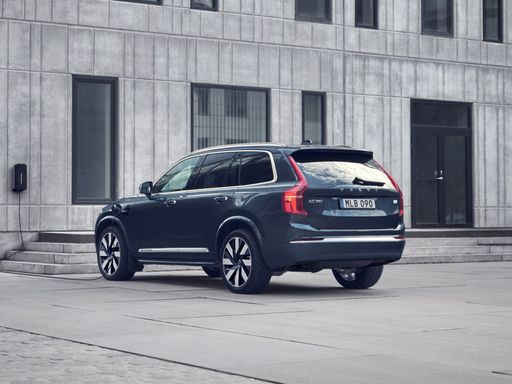
Volvo XC90

5 (1 Reviews)
rate
  • noticeably more power

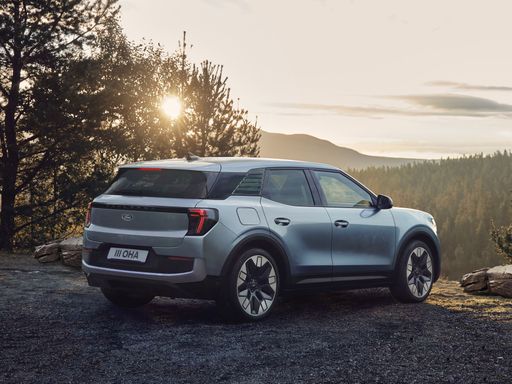
Ford Explorer EV

4.9 (3 Reviews)
rate
  • considerably cheaper
  • considerably more electric range
  • barely quicker 0–100 km/h
  • marginally lighter
  • visibly more trunk space

All details on performance, efficiency, range and trunk space can be found in the technical comparison below – including user reviews for both models.

XC90

Ford Explorer EV vs. Volvo XC90: A Clash of Eco-Titans

The rise of electric vehicles has prompted established automakers to innovate and upgrade their existing models. Today, we delve into a detailed comparison between two prominent SUVs that embody this trend: the all-electric Ford Explorer EV and the advanced Volvo XC90.
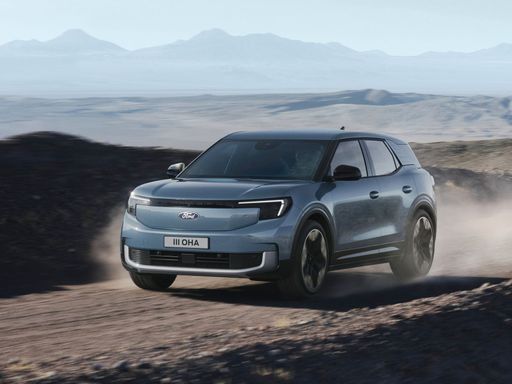
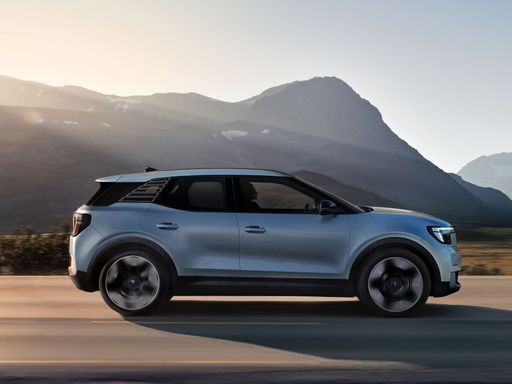
Explorer EV

Performance and Power

The Ford Explorer EV is designed with multiple power outputs, ranging from 170 HP to a robust 340 HP. Its electric powertrain offers rear-wheel or all-wheel drive, providing versatility and adaptability to various driving needs. Acceleration is swift, with the Explorer reaching from 0 to 100 km/h in as quick as 5.3 seconds, complemented by a peak torque of 679 Nm.

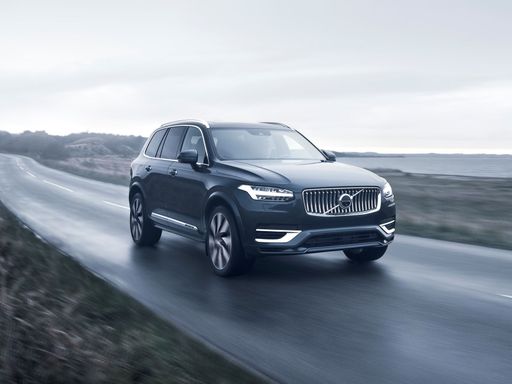
In contrast, the Volvo XC90 is available with hybrid powertrains, offering both petrol mild hybrid (MHEV) and a plug-in hybrid option. The most powerful variant delivers up to 455 HP, achieving a 0-100 km/h acceleration in 5.4 seconds. With a torque of 709 Nm, the XC90 does not fall short in providing a thrilling drive. It is worth noting that Volvo limits the maximum speed of their vehicles to 180 km/h, prioritizing safety as well as performance.

XC90

Range and Efficiency

The Explorer EV shines with its impressive electric range, capable of covering up to 602 km on a single charge, thanks to its substantial battery capacity of up to 79 kWh. With a consumption rate ranging from 13.9 to 16.6 kWh/100 km, it stands as a testimony to Ford's commitment towards efficiency in electric mobility.

Volvo's XC90 plug-in hybrid offers a considerably smaller electric range, limited to 71 km, being more suited for shorter commutes on pure electric power. However, its hybrid technology does enable a remarkable combined fuel consumption of 1.2 L/100km, allowing for effective use over longer distances when driving as a hybrid.

Explorer EV

Interior and Space

Inside, the Ford Explorer EV accommodates five passengers and boasts a generous trunk capacity between 445 and 450 liters, balancing passenger comfort and cargo space. Its compact dimensions, with a length of 4468 mm and a width of 1871 mm, make it a smart choice for urban environments.

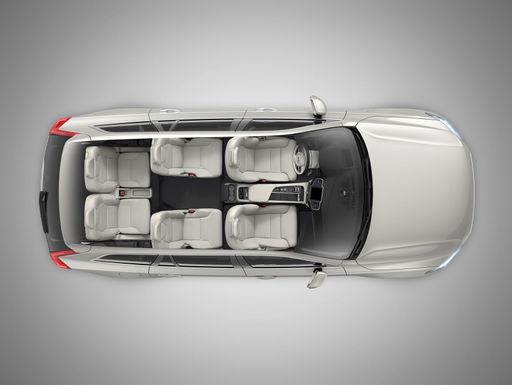
The Volvo XC90 offers a more spacious interior with seating for up to seven passengers. Although the trunk space is slightly smaller at 302 liters (or 262 liters depending on the configuration), the vehicle provides ample roomier accommodations, fitting for larger families or groups.

XC90

Sustainability and Environmental Impact

Ford's Explorer EV is a leader in sustainability, delivering an eco-friendly driving experience with zero CO2 emissions. This is emphasized by its A-class CO2 efficiency rating, showcasing its potential for a minimal carbon footprint.

Volvo's XC90 also steps into sustainability with a plug-in hybrid model that significantly reduces emissions to 30 g/km. Despite its mild hybrid counterpart exhibiting higher numbers, Volvo's inclusion of electric capabilities signals a clear commitment to reducing environmental impact.

Explorer EV

Conclusion

The Ford Explorer EV and Volvo XC90 each bring their unique sets of strengths to the table. The Explorer EV is a prime choice for those seeking a fully electric SUV with an extensive range and impressive efficiency. On the other hand, the XC90, with its hybrid offerings and larger passenger capacity, appeals to drivers who require flexibility and a blend of traditional and renewable energy sources. Ultimately, the choice between the two will depend on specific needs, be it extended range electric driving or hybrid versatility.

Here’s where it gets real: The technical differences in detail

XC90

Costs and Efficiency:

Looking at overall running costs, both models reveal some interesting differences in everyday economy.

Ford Explorer EV is considerably cheaper – starting at 34,200 £ , while the Volvo XC90 costs 69,800 £ . That’s a price difference of around 35,562 £.

As for electric range, the Ford Explorer EV offers considerably more range – reaching up to 602 km, about 531 km more than the Volvo XC90.

Explorer EV

Engine and Performance:

Power, torque and acceleration say a lot about how a car feels on the road. This is where you see which model delivers more driving dynamics.

When it comes to engine power, the Volvo XC90 offers noticeably more power – delivering 455 HP compared to 340 HP. That’s roughly 115 HP more horsepower.

When accelerating from 0 to 100 km/h, the Ford Explorer EV is barely quicker – completing the sprint in 5.3 s, while the Volvo XC90 takes 5.4 s. That’s about 0.1 s quicker.

There’s also a difference in torque: the Volvo XC90 delivers very slightly more torque with 709 Nm compared to 679 Nm. That’s about 30 Nm more.

XC90

Space and Everyday Use:

Cabin size, boot volume and payload all play a role in everyday practicality. Here, comfort and flexibility make the difference.

Seats: Volvo XC90 offers more seats – 7 vs 5.

In terms of curb weight, Ford Explorer EV is marginally lighter – 1,996 kg compared to 2,080 kg. The difference is around 84 kg.

Looking at boot space, the Ford Explorer EV offers visibly more boot space – 472 L compared to 302 L. That’s a difference of about 170 L.

When it comes to payload, the Volvo XC90 carries somewhat more – 710 kg compared to 585 kg. That’s a difference of about 125 kg.

Who wins the race in the data check?

The Ford Explorer EV is decisively ahead in the objective data comparison.
This result only shows which model scores more points on paper – not which of the two cars feels right for you.

from £34,200
Explorer EV

Ford Explorer EV

  • Engine Type : Electric
  • Transmission : Automatic
  • Drive Type : Rear-Wheel Drive, All-Wheel Drive
  • Power HP : 190 - 340 HP
  • Consumption kWh/100km : 14.6 - 17.3 kWh/100km
  • Electric Range : 417 - 602 km
Volvo XC90
Ford Explorer EV

Costs and Consumption

View detailed analysis

Engine and Performance

View detailed analysis

Dimensions and Body

View detailed analysis

Volvo XC90

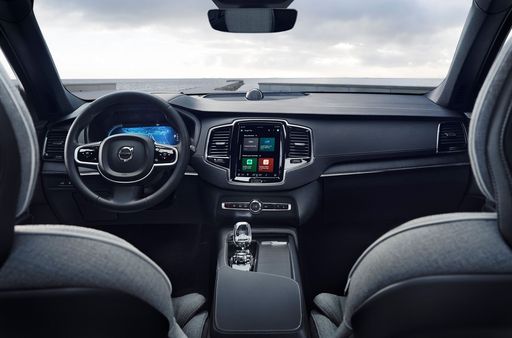
The Volvo XC90 is a serene Scandinavian SUV that mixes minimalist luxury with a composed, confidence-inspiring presence — ideal for buyers who want family practicality without sacrificing style. Inside it serves up a calm, well-crafted cabin and user-friendly tech that keeps long journeys pleasant and tantrums to a minimum, making the XC90 a smart, stylish pick for sensible drivers.

details

Ford Explorer EV

The Ford Explorer EV translates the familiar big‑American SUV presence into whisper‑quiet electric motoring, offering roomy seating and a tech‑forward cabin that will please families and road‑trippers alike. It drives with more composure than its boxy looks suggest, blending a comfortable ride and eager acceleration while undercutting the guilt of gas stops — a practical, modern alternative for buyers who want Explorer space with electric charm.

details
Volvo XC90
Ford Explorer EV

Costs and Consumption

Price
69,800 - 84,600 £
Price
34,200 - 48,800 £
Consumption L/100km
3.5 - 8.5 L/100km
Consumption L/100km
-
Consumption kWh/100km
-
Consumption kWh/100km
14.6 - 17.3 kWh/100km
Electric Range
71 km
Electric Range
417 - 602 km
Battery Capacity
-
Battery Capacity
-
co2
79 - 191 g/km
co2
0 g/km
Fuel tank capacity
71 L
Fuel tank capacity
-

Dimensions and Body

Body Type
SUV
Body Type
SUV
Seats
7
Seats
5
Doors
5
Doors
-
Curb weight
2,080 - 2,297 kg
Curb weight
1,996 - 2,209 kg
Trunk capacity
262 - 302 L
Trunk capacity
472 L
Length
4,953 mm
Length
-
Width
1,923 mm
Width
1,872 mm
Height
1,771 mm
Height
-
Max trunk capacity
1,856 L
Max trunk capacity
-
Payload
653 - 710 kg
Payload
531 - 585 kg

Engine and Performance

Engine Type
Petrol MHEV, Plugin Hybrid
Engine Type
Electric
Transmission
Automatic
Transmission
Automatic
Transmission Detail
Automatic Gearbox
Transmission Detail
Reduction Gearbox
Drive Type
All-Wheel Drive
Drive Type
Rear-Wheel Drive, All-Wheel Drive
Power HP
250 - 455 HP
Power HP
190 - 340 HP
Acceleration 0-100km/h
5.4 - 7.7 s
Acceleration 0-100km/h
5.3 - 8 s
Max Speed
180 km/h
Max Speed
-
Torque
360 - 709 Nm
Torque
350 - 679 Nm
Number of Cylinders
4
Number of Cylinders
-
Power kW
184 - 335 kW
Power kW
140 - 250 kW
Engine capacity
1,969 cm3
Engine capacity
-

General

Model Year
2,024 - 2,025
Model Year
2,026
CO2 Efficiency Class
G, B
CO2 Efficiency Class
A
Brand
Volvo
Brand
Ford
DriveDuel uses data analysis and artificial intelligence to evaluate vehicle data and create content. Content is regularly reviewed and improved. The displayed prices are estimates based on German list prices, adjusted to the respective country’s VAT. Country-specific registration taxes are not included. This information is not legally binding.