VS

VW ID.3 vs Ford Puma comparison

Compare performance (326 HP vs 168 HP), boot space and price (28,600 £ vs 23,900 £ ) at a glance. Find out which car is the better choice for you – VW ID.3 or Ford Puma?

VW ID.3 vs Ford Puma: Key differences

VW ID.3

4.9 (3 Reviews)
rate
  • clearly more power
  • markedly more electric range
  • noticeably quicker 0–100 km/h
details

Ford Puma

3 (11 Reviews)
rate
  • moderately cheaper
  • somewhat more efficient
  • visibly lighter
details

All details on performance, efficiency, range and trunk space can be found in the technical comparison below – including user reviews for both models.

By Achim Sedelmaier

ID.3

City flirt or silent boulevard cruiser?

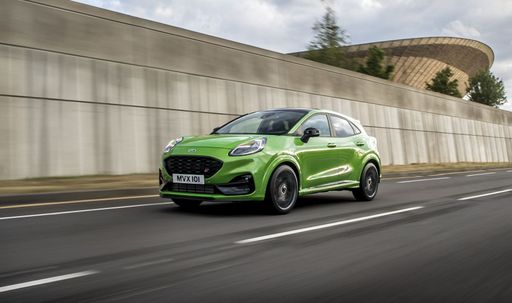
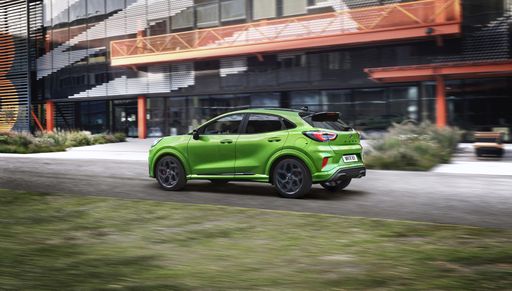
The Ford Puma wears its personality on its sleeve — a compact crossover with a cheeky stance that feels at home threading through tight urban streets and catching admiring glances at the lights. The VW ID.3, by contrast, is the portrait of composed modernity: quiet, purposeful and designed to dissolve the bustle rather than compete with it. Choosing between them is as much about attitude as it is about need — one invites you to play, the other to unwind. Both have urban virtues, just packaged for different tastes.
Puma

Behind the wheel: grin or zen?

Drive the Puma and you notice a playful chassis that rewards quick inputs and makes everyday cornering feel engaging rather than routine, with a steering feel that keeps you involved. The ID.3 offers a far more serene experience, trading overt thrills for a smooth, linear delivery and a calming sense of control that’s ideal for covering ground without fuss. In short, the Puma excites your inner driver while the ID.3 soothes it — two very different driving therapies. Which one resonates depends on whether you want to be entertained or simply arrive refreshed.

ID.3

Practicalities that actually matter

For shoppers who value flexible packing and a raised driving position, the Puma’s packaging feels intentionally useful and easy to live with day-to-day, turning grocery runs and weekend kit-hauls into low-stress affairs. The ID.3 leverages clever electric-era packaging to deliver a surprisingly airy cabin and comfortable rear seating that favors passengers and longer stints. Both cabins are thoughtfully arranged for everyday usability, but they prioritise different kinds of practicality: adaptable cargo and visibility versus passenger comfort and cabin space. Your routine will tip the balance more than raw capacity numbers ever could.

Puma

Touchpoints: who uses the buttons and how it feels

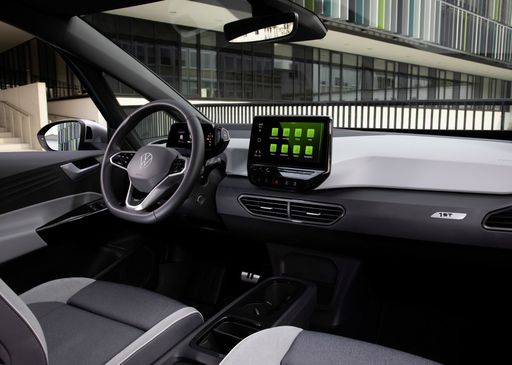
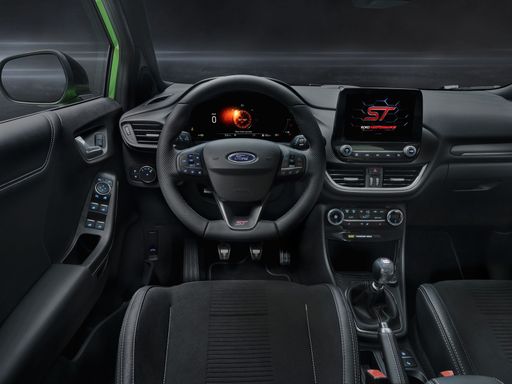
Inside the Puma you get a friendly mix of tactile switches and sporty cues that make the cockpit feel familiar and immediate, with materials and details aimed at making each interaction pleasant rather than clinical. The ID.3 adopts a minimalist, tech-forward layout where screens and clean surfaces dominate, delivering a modern, calming ambience that some will find elegant and others a touch distant. Both approaches work, but they send different signals about who the car is for — one more analogue and approachable, the other forward-thinking and minimalist. Ergonomics and personal taste will quickly sort which interior feels like home.

ID.3

Fueling, charging and everyday ownership

Owning either car comes with its own practical rhythm: one rewards you with the familiarity and flexibility of quick refuelling and a lower entry cost of purchase, while the other pays dividends in day-to-day energy cost and the convenience of home-based recharging for many owners. Maintenance rhythms and long-term running expectations differ too, and practical buyers should think about where they live and how they drive before choosing. Both offer sensible ownership stories, but the best financial fit depends on your lifestyle rather than headline figures. Read the fine print on local incentives and infrastructure to make the choice truly yours.

Puma

Who will love which car?

Commuters wanting quiet, low-fuss mile-eating and a modern cabin will likely be drawn to the ID.3, while buyers after a confident, slightly cheeky crossover with flexible daily usability will find the Puma hard to resist. Families seeking versatile packing and an elevated sense of control may lean to the Puma’s practical nature, whereas style-conscious, tech-forward buyers who prioritise a calm cabin and modern silhouette will see the ID.3 as a more natural fit. Ultimately, it’s a question of lifestyle — pick the character that matches your day-to-day priorities.

ID.3

Turn the page and pick your favourite

Both cars bring strong, honest propositions to the table: one lively and engaging, the other calm and forward-looking, and neither is a one-size-fits-all answer. If you’ve got a clear image of how your days look, the right choice will feel obvious; if not, keep reading for the side-by-side verdict. Stay with us — the DriveDuel Champion will be revealed afterwards and it might just change how you see both of them.

Here’s where it gets real: The technical differences in detail

ID.3

Costs and Efficiency:

When it comes to price and running costs, the biggest differences usually appear. This is often where you see which car fits your budget better in the long run.

Ford Puma is moderately cheaper – starting at 23,900 £ , while the VW ID.3 costs 28,600 £ . That’s a price difference of around 4,654 £.

In terms of energy consumption, the Ford Puma is somewhat more efficient: consuming 13 kWh/100km compared to 14.5 kWh/100km for the VW ID.3. That’s a difference of about 1.5 kWh/100km.

As for electric range, the VW ID.3 offers markedly more range – reaching up to 605 km, about 188 km more than the Ford Puma.

Puma

Engine and Performance:

Power, torque and acceleration say a lot about how a car feels on the road. This is where you see which model delivers more driving dynamics.

When it comes to engine power, the VW ID.3 offers clearly more power – delivering 326 HP compared to 168 HP. That’s roughly 158 HP more horsepower.

When accelerating from 0 to 100 km/h, the VW ID.3 is noticeably quicker – completing the sprint in 5.7 s, while the Ford Puma takes 7.4 s. That’s about 1.7 s quicker.

There’s also a difference in torque: the VW ID.3 delivers significantly more torque with 545 Nm compared to 290 Nm. That’s about 255 Nm more.

ID.3

Space and Everyday Use:

Cabin size, boot volume and payload all play a role in everyday practicality. Here, comfort and flexibility make the difference.

Both vehicles offer seating for 5 people.

In terms of curb weight, Ford Puma is visibly lighter – 1,316 kg compared to 1,787 kg. The difference is around 471 kg.

When it comes to payload, the VW ID.3 carries marginally more – 473 kg compared to 469 kg. That’s a difference of about 4 kg.

Who wins the race in the data check?

The VW ID.3 is clearly superior overall in the objective data comparison.
This result only shows which model scores more points on paper – not which of the two cars feels right for you.

from £28,600
ID.3

VW ID.3

  • Engine Type : Electric
  • Transmission : Automatic
  • Drive Type : Rear-Wheel Drive
  • Power HP : 170 - 326 HP
  • Consumption kWh/100km : 14.5 - 15.8 kWh/100km
  • Electric Range : 383 - 605 km
VW ID.3
Ford Puma

Costs and Consumption

View detailed analysis

Engine and Performance

View detailed analysis

Dimensions and Body

View detailed analysis

VW ID.3

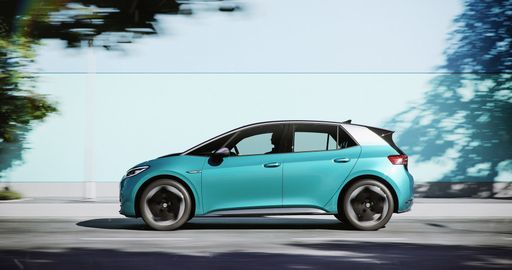
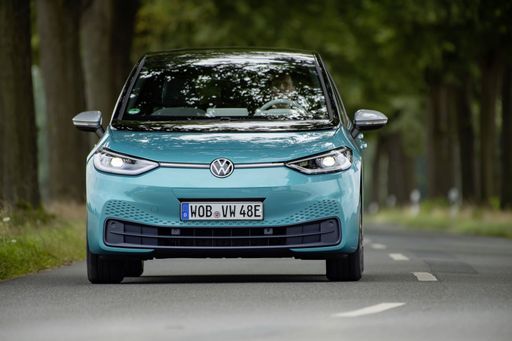
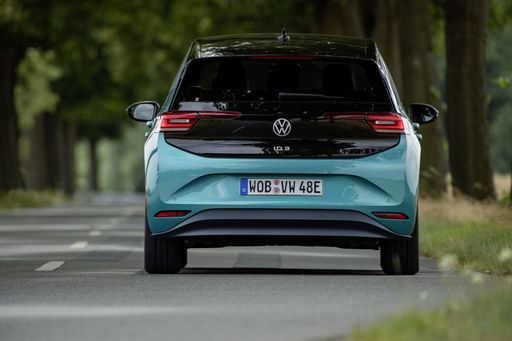
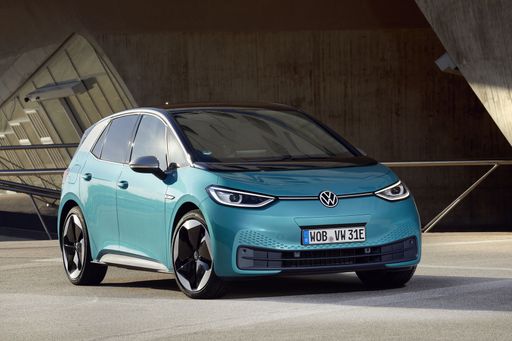
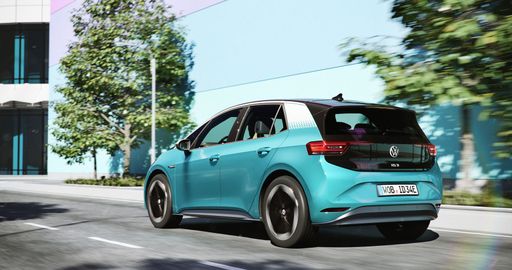
The VW ID.3 is a crisply styled electric hatch that masks serious practicality behind a friendly, modern face, making city runs and longer trips pleasantly fuss free. For buyers seeking a sensible, well-equipped EV that doesn't take itself too seriously, the ID.3 strikes a neat balance of comfort, tech and everyday usability with a cheeky smile.

details

Ford Puma

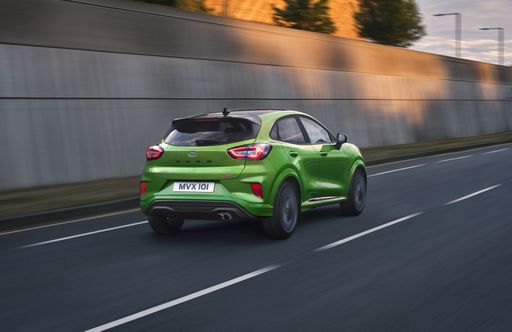
The Ford Puma is a cheeky compact crossover that blends sporty styling with city-friendly practicality, giving drivers a surprisingly fun and composed ride. With clever storage tricks and a lively personality, it’s a smart pick for buyers who want enjoyment without fuss.

details
VW ID.3
Ford Puma

Costs and Consumption

Price
28,600 - 49,300 £
Price
23,900 - 36,300 £
Consumption L/100km
-
Consumption L/100km
5.4 - 5.9 L/100km
Consumption kWh/100km
14.5 - 15.8 kWh/100km
Consumption kWh/100km
13 - 13.7 kWh/100km
Electric Range
383 - 605 km
Electric Range
404 - 417 km
Battery Capacity
52 - 79 kWh
Battery Capacity
-
co2
0 g/km
co2
0 - 135 g/km
Fuel tank capacity
-
Fuel tank capacity
-

Dimensions and Body

Body Type
Hatchback
Body Type
SUV
Seats
5
Seats
5
Doors
5
Doors
-
Curb weight
1,787 - 1,993 kg
Curb weight
1,316 - 1,563 kg
Trunk capacity
385 L
Trunk capacity
-
Length
4,264 mm
Length
-
Width
1,809 mm
Width
1,805 mm
Height
1,564 mm
Height
-
Max trunk capacity
1,267 L
Max trunk capacity
-
Payload
437 - 473 kg
Payload
367 - 469 kg

Engine and Performance

Engine Type
Electric
Engine Type
Petrol MHEV, Electric
Transmission
Automatic
Transmission
Manuel, Automatic
Transmission Detail
Reduction Gearbox
Transmission Detail
Manual Gearbox, Dual-Clutch Automatic, Reduction Gearbox
Drive Type
Rear-Wheel Drive
Drive Type
Front-Wheel Drive
Power HP
170 - 326 HP
Power HP
125 - 168 HP
Acceleration 0-100km/h
5.7 - 8.2 s
Acceleration 0-100km/h
7.4 - 9.8 s
Max Speed
160 - 200 km/h
Max Speed
-
Torque
310 - 545 Nm
Torque
170 - 290 Nm
Number of Cylinders
-
Number of Cylinders
3
Power kW
125 - 240 kW
Power kW
92 - 124 kW
Engine capacity
-
Engine capacity
999 cm3

General

Model Year
2,024 - 2,025
Model Year
2,025 - 2,026
CO2 Efficiency Class
A
CO2 Efficiency Class
D, A
Brand
VW
Brand
Ford
DriveDuel uses data analysis and artificial intelligence to evaluate vehicle data and create content. Content is regularly reviewed and improved. The displayed prices are estimates based on German list prices, adjusted to the respective country’s VAT. Country-specific registration taxes are not included. This information is not legally binding.