VS

VW ID.4 vs Kia EV3 comparison

Compare performance (340 HP vs 204 HP), boot space and price (34,600 £ vs 30,800 £ ) at a glance. Find out which car is the better choice for you – VW ID.4 or Kia EV3?

VW ID.4 vs Kia EV3: Key differences

VW ID.4

4.4 (9 Reviews)
rate
  • markedly more power
  • noticeably quicker 0–100 km/h
  • moderately more trunk space
details

Kia EV3

4.7 (3 Reviews)
rate
  • a bit cheaper
  • very slightly more efficient
  • very slightly more electric range
  • very slightly lighter
details

All details on performance, efficiency, range and trunk space can be found in the technical comparison below – including user reviews for both models.

By Achim Sedelmaier

ID.4

Street Presence and First Glance

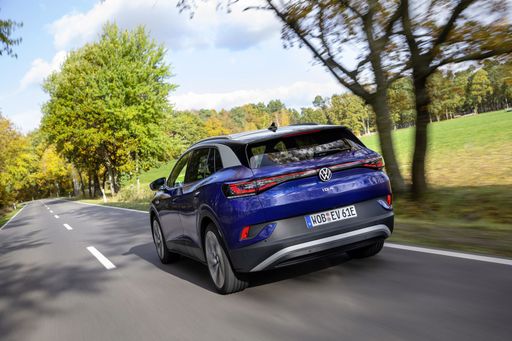
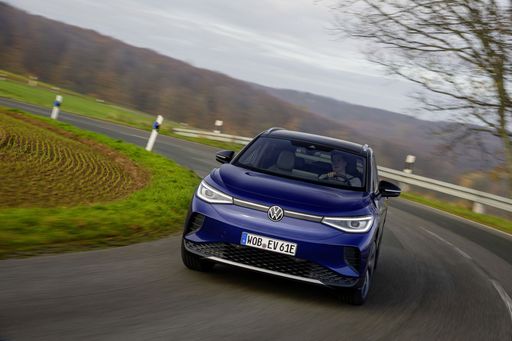
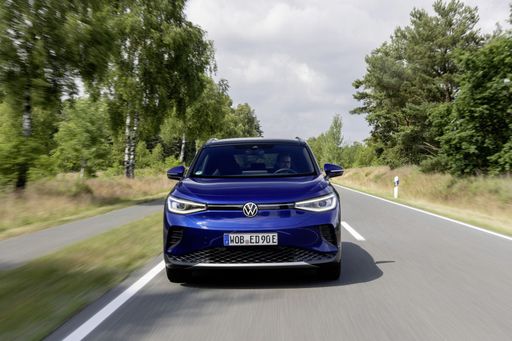
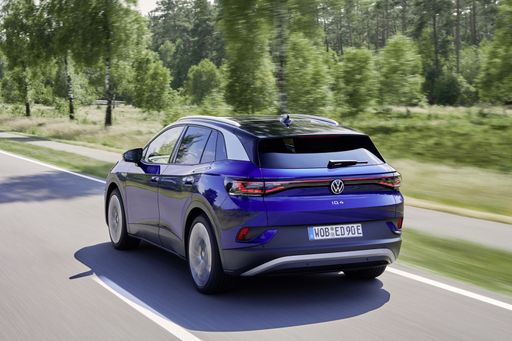
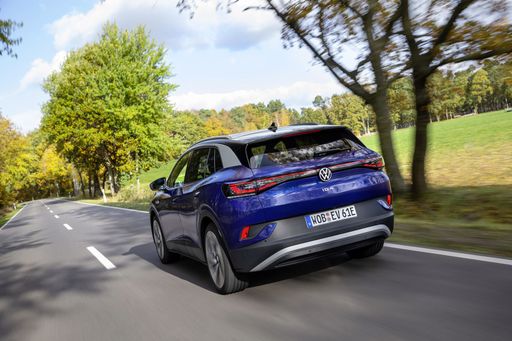
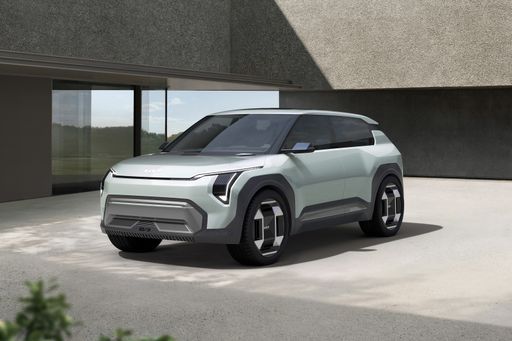
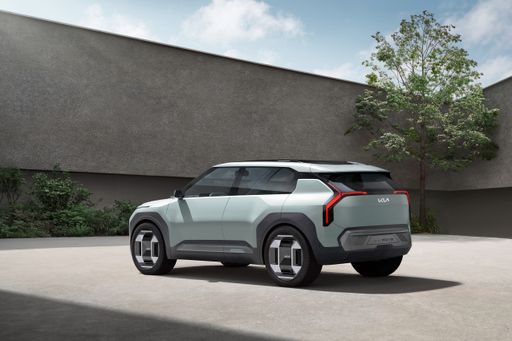
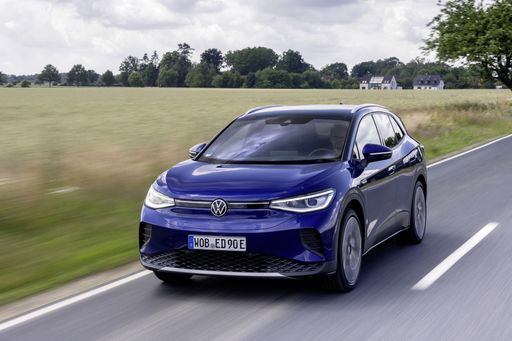
The Kia EV3 arrives with taut surfaces and a fresh, youthful silhouette that feels eager to please, while the VW ID.4 leans on a more mature, understated demeanor that signals competence rather than flash. Both cars manage to look contemporary without shouting, but they appeal to slightly different tastes: one more playful, the other more composed. If style is part of the purchase decision, consider whether you want to turn heads or blend in with quiet confidence.
EV3

City Commute & Suburban Shuffle

Around town the two feel like different tools for the same job: one is nimble and easy to place in tight urban spots, the other prioritizes a composed ride and relaxed cruising over sporty responses. Controls and visibility matter here, and both offer the kind of relaxed packaging that makes daily driving less of a chore. If your life is a series of short hops and tight car parks, take note of which one makes the micro-maneuvers feel natural.

ID.4

Highway Miles and Calm Cruising

On longer runs, refinement and suspension tuning define the experience — one car soothes away the miles with a hushed cabin and steady composure, while the other injects a bit more urgency into passing and merges. Comfort isn’t just cushioning; it’s how the car keeps you cool after a long day at the wheel, and both deliver credible long-distance manners in their own way. If you regularly eat up motorway miles, think about whether you value placid serenity or a slightly more engaged feel.

EV3

Boots, Bumps and Back Seats

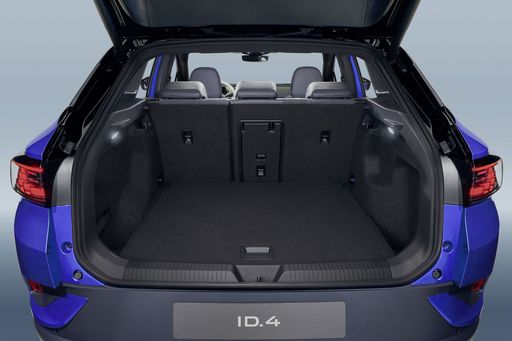
Practicality is where family life either thrives or gets complicated: both cars accommodate the usual suspects — kids, groceries, weekend kit — but they do so with different emphases on flexibility and space shaping. Rear-seat comfort and the way the load area copes with everyday living are convincing for small families, and each makes sensible compromises rather than gimmicks. Which one feels more useful will depend on how you load and live with your car day to day.

ID.4

On the Throttle: Personality on the Road

Driving personality is a matter of tuning and intent: one model is eager underfoot and responds with immediacy, while the other prefers a steadier, more measured delivery that rewards composure rather than aggression. Steering and chassis balance alter how involved you feel, and both strike plausible balances for buyers who want confidence without theatrics. Your choice here reflects whether you want the car to inject fun into the commute or simply make it effortless.

EV3

Buttons, Screens and How They Play

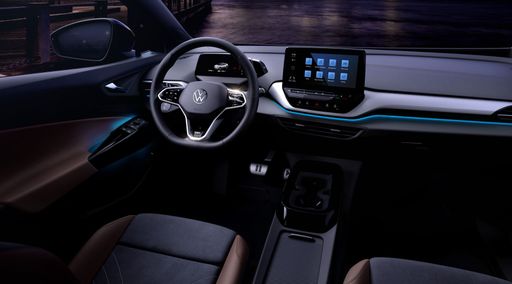
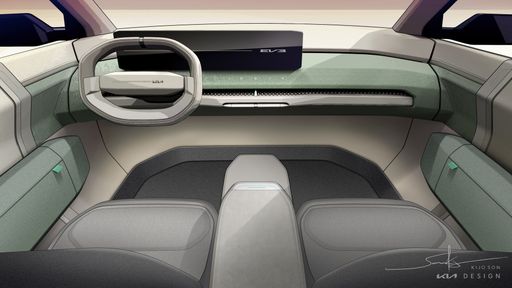
Infotainment and controls are where ownership joy — or irritation — grows over time: both cabins show modern layouts and logical interfaces, but one edges forward with more intuitive ergonomics and tactile reassurance. Material quality and switchgear finish help sell the overall experience, while smartphone integration and everyday usability decide how fast you’ll make it part of your routine. Small details like seat adjustment and storage ergonomics often prove more telling than headline features.

ID.4

What Your Wallet Sees

Value is about real-world ownership rather than sticker price alone: perceived running costs, service intervals and how pleasant it is to live with a car all shape long-term satisfaction. One contender positions itself as the pragmatic choice with sensible economics, while the other backs up its appeal with a stronger sense of polish and capability. Buyers should weigh what matters more to them: immediate savings or an all-round package that suits family needs and lifestyle.

Who Should Buy Which

If you’re a commuter who prizes agility and a fresh look, the Kia EV3 will likely fit neatly into city routines; if you’re a family buyer who values space, composure and a quietly assured road manner, the VW ID.4 will feel like a safe, sensible companion. Both are credible, modern choices — the right pick comes down to personality and daily priorities rather than headline figures. Read on to see which car takes the DriveDuel crown — the Champion will be revealed afterwards.

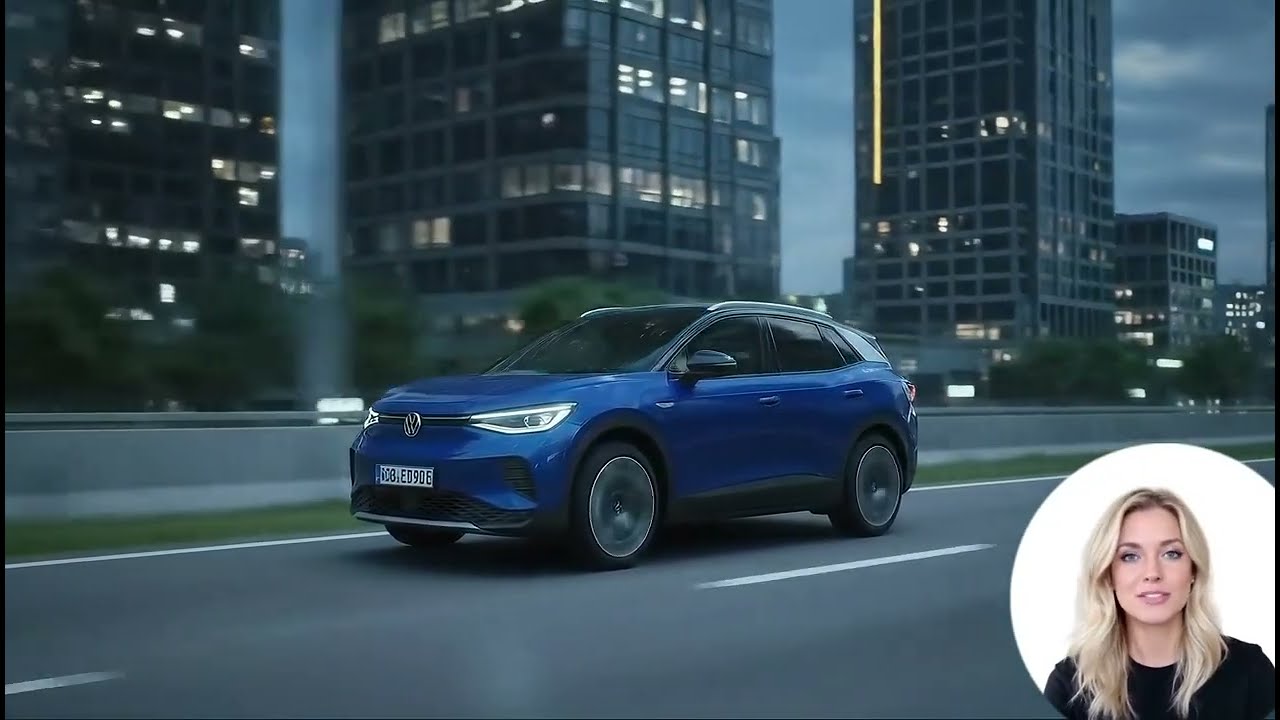
Video - VW ID.4

Video Thumbnail

Here’s where it gets real: The technical differences in detail

ID.4

Costs and Efficiency:

Looking at overall running costs, both models reveal some interesting differences in everyday economy.

Kia EV3 is a bit cheaper – starting at 30,800 £ , while the VW ID.4 costs 34,600 £ . That’s a price difference of around 3,724 £.

In terms of energy consumption, the Kia EV3 is very slightly more efficient: consuming 14.9 kWh/100km compared to 15.6 kWh/100km for the VW ID.4. That’s a difference of about 0.7 kWh/100km.

As for electric range, the Kia EV3 offers very slightly more range – reaching up to 605 km, about 36 km more than the VW ID.4.

EV3

Engine and Performance:

Power, torque and acceleration say a lot about how a car feels on the road. This is where you see which model delivers more driving dynamics.

When it comes to engine power, the VW ID.4 offers markedly more power – delivering 340 HP compared to 204 HP. That’s roughly 136 HP more horsepower.

When accelerating from 0 to 100 km/h, the VW ID.4 is noticeably quicker – completing the sprint in 5.4 s, while the Kia EV3 takes 7.5 s. That’s about 2.1 s quicker.

Looking at top speed, the VW ID.4 is very slightly faster – reaching 180 km/h, while the Kia EV3 tops out at 170 km/h. The difference is around 10 km/h.

There’s also a difference in torque: the VW ID.4 delivers considerably more torque with 679 Nm compared to 283 Nm. That’s about 396 Nm more.

ID.4

Space and Everyday Use:

Cabin size, boot volume and payload all play a role in everyday practicality. Here, comfort and flexibility make the difference.

Both vehicles offer seating for 5 people.

In terms of curb weight, Kia EV3 is very slightly lighter – 1,800 kg compared to 1,975 kg. The difference is around 175 kg.

Looking at boot space, the VW ID.4 offers moderately more boot space – 543 L compared to 460 L. That’s a difference of about 83 L.

For maximum load capacity, the VW ID.4 offers clearly more capacity – up to 1,575 L, about 324 L more than the Kia EV3.

When it comes to payload, the VW ID.4 carries slightly more – 551 kg compared to 470 kg. That’s a difference of about 81 kg.

Who wins the race in the data check?

The VW ID.4 is clearly superior overall in the objective data comparison.
This result only shows which model scores more points on paper – not which of the two cars feels right for you.

from £34,600
ID.4

VW ID.4

  • Engine Type : Electric
  • Transmission : Automatic
  • Drive Type : Rear-Wheel Drive, All-Wheel Drive
  • Power HP : 170 - 340 HP
  • Consumption kWh/100km : 15.6 - 17 kWh/100km
  • Electric Range : 356 - 569 km
VW ID.4
Kia EV3

Costs and Consumption

View detailed analysis

Engine and Performance

View detailed analysis

Dimensions and Body

View detailed analysis

VW ID.4

The VW ID.4 is a roomy, comfort‑focused electric SUV that makes family life and daily commuting effortless with a practical interior and a calm, efficient powertrain. It’s reassuring and sensible rather than thrilling — well suited to long stretches thanks to a relaxed ride and useful assistance systems, but the touch‑centric controls, restricted rear visibility and muted steering keep it from exciting drivers who want sportier dynamics.

details

Kia EV3

The Kia EV3 arrives as a cheeky, practical electric compact that manages to feel both premium and playful, delivering crisp handling and a roomy cabin that's perfect for urban life. With smart tech, friendly styling and sensible pricing, the EV3 is the kind of car that makes switching to electric feel like a no-brainer without asking you to give anything important up.

details
VW ID.4
Kia EV3

Costs and Consumption

Price
34,600 - 47,200 £
Price
30,800 - 41,700 £
Consumption L/100km
-
Consumption L/100km
-
Consumption kWh/100km
15.6 - 17 kWh/100km
Consumption kWh/100km
14.9 - 16.2 kWh/100km
Electric Range
356 - 569 km
Electric Range
436 - 605 km
Battery Capacity
52 - 77 kWh
Battery Capacity
58.3 - 81.4 kWh
co2
0 g/km
co2
0 g/km
Fuel tank capacity
-
Fuel tank capacity
-

Dimensions and Body

Body Type
SUV
Body Type
SUV
Seats
5
Seats
5
Doors
5
Doors
5
Curb weight
1,975 - 2,248 kg
Curb weight
1,800 - 1,885 kg
Trunk capacity
543 L
Trunk capacity
460 L
Length
4,582 - 4,584 mm
Length
4,300 - 4,310 mm
Width
1,852 mm
Width
1,850 mm
Height
1,619 - 1,634 mm
Height
1,560 - 1,570 mm
Max trunk capacity
1,575 L
Max trunk capacity
1,251 L
Payload
515 - 551 kg
Payload
470 kg

Engine and Performance

Engine Type
Electric
Engine Type
Electric
Transmission
Automatic
Transmission
Automatic
Transmission Detail
Reduction Gearbox
Transmission Detail
Reduction Gearbox
Drive Type
Rear-Wheel Drive, All-Wheel Drive
Drive Type
Front-Wheel Drive
Power HP
170 - 340 HP
Power HP
204 HP
Acceleration 0-100km/h
5.4 - 9 s
Acceleration 0-100km/h
7.5 - 7.9 s
Max Speed
160 - 180 km/h
Max Speed
170 km/h
Torque
310 - 679 Nm
Torque
283 Nm
Number of Cylinders
-
Number of Cylinders
-
Power kW
125 - 250 kW
Power kW
150 kW
Engine capacity
-
Engine capacity
-

General

Model Year
2,023 - 2,025
Model Year
2024
CO2 Efficiency Class
A
CO2 Efficiency Class
A
Brand
VW
Brand
Kia
DriveDuel uses data analysis and artificial intelligence to evaluate vehicle data and create content. Content is regularly reviewed and improved. The displayed prices are estimates based on German list prices, adjusted to the respective country’s VAT. Country-specific registration taxes are not included. This information is not legally binding.