VS

VW ID.4 vs Volvo EX40 comparison

Compare performance (340 HP vs 442 HP), boot space and price (34,600 £ vs 42,800 £ ) at a glance. Find out which car is the better choice for you – VW ID.4 or Volvo EX40?

VW ID.4 vs Volvo EX40: Key differences

VW ID.4

4.5 (6 Reviews)
rate
  • markedly cheaper
  • marginally more efficient
  • only slightly lighter
  • visibly more trunk space

Volvo EX40

5 (1 Reviews)
rate
  • visibly more power
  • marginally more electric range
  • moderately quicker 0–100 km/h

All details on performance, efficiency, range and trunk space can be found in the technical comparison below – including user reviews for both models.

ID.4

The electric vehicle market continues to flourish as automakers strive to deliver innovative and efficient products. In this article, we compare two formidable contenders in the electric SUV segment: the Volvo EX40 and the VW ID.4. Both vehicles boast advanced technology, impressive performance, and eco-friendly features that appeal to the modern driver.

EX40

Design and Dimensions

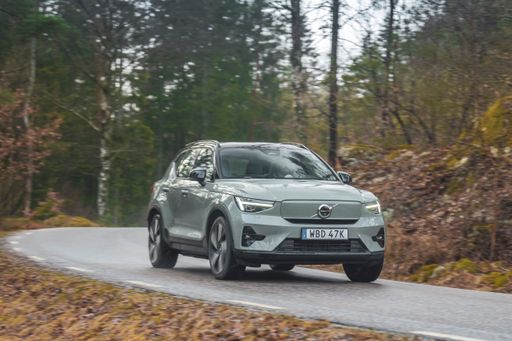
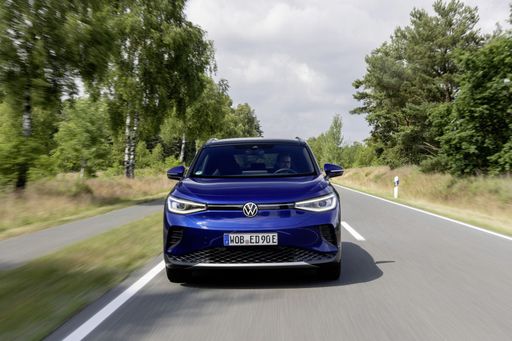
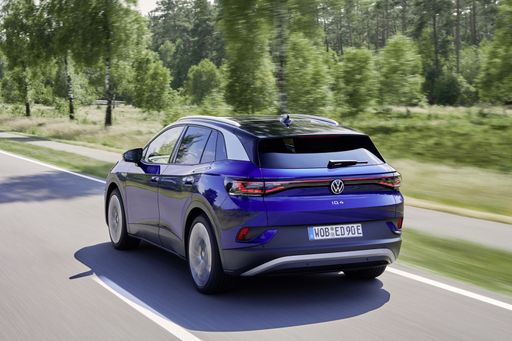
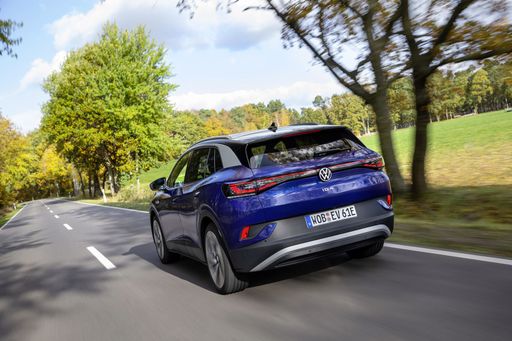
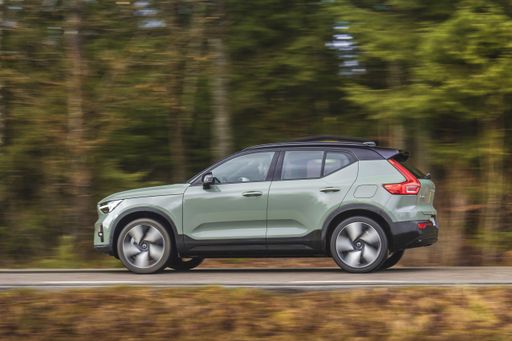
The Volvo EX40 exudes a classic Scandinavian design, characterized by clean lines and a robust stance. Measuring 4440 mm in length, 1863 mm in width, and standing 1647 mm tall, it offers a compact yet spacious SUV experience. The design is not only aesthetically pleasing but also practical, featuring five doors and a trunk capacity of 410 liters.

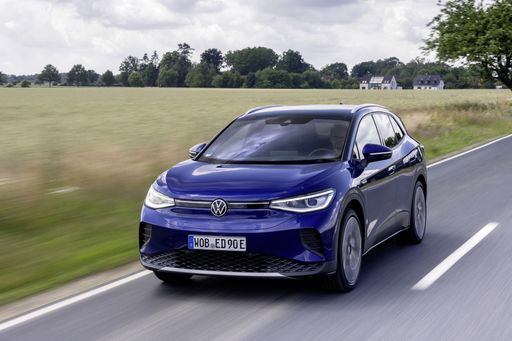
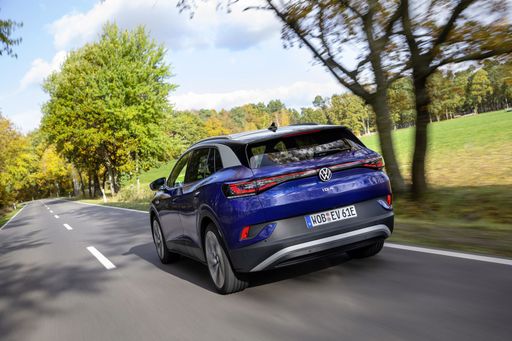
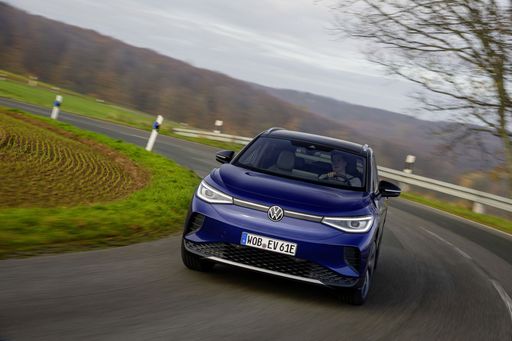
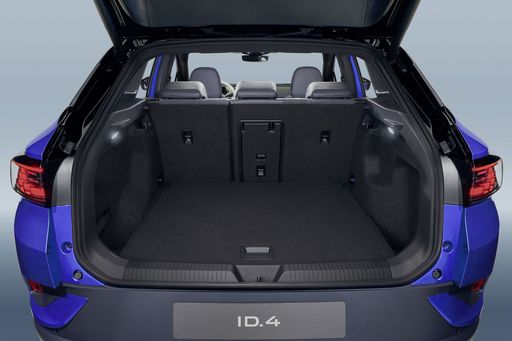
On the other hand, the VW ID.4 offers a more substantial presence with its larger dimensions. It stretches up to 4584 mm in length, 1852 mm in width, and varying heights of 1619 to 1634 mm. The ID.4 also provides excellent storage solutions, boasting a trunk capacity of 543 liters, making it a more favorable option for families or anyone needing extra space.

ID.4

Powertrain Performance

The power options available in the Volvo EX40 range from 238 HP to an impressive 408 HP, depending on the variant. With torque figures peaking at 670 Nm in the top-tier model, it achieves acceleration from 0-100 km/h in just 4.8 seconds. The EX40 is offered in both rear-wheel and all-wheel drive configurations, with an electric range of up to 576 km on a full charge.

Conversely, the VW ID.4 boasts a slightly different power setup. With options ranging from 170 HP to 340 HP, it also delivers strong performance with torques up to 679 Nm. The ID.4 can accelerate from 0-100 km/h in as little as 5.4 seconds, showcasing robust performance. Its electric range is highly competitive, stretching up to 572 km, making both vehicles suitable for long-distance travel.

EX40

Battery and Efficiency

The EX40 comes equipped with a battery capacity ranging from 67 kWh to 79 kWh. Its energy consumption varies between 16.6 and 17.5 kWh/100 km, depending on the model, reflecting impressive efficiency. In terms of CO2 emissions, both vehicles stand at 0 g/km, emphasizing their environmentally friendly nature.

The ID.4 offers a choice of battery sizes, including a 52 kWh and a 77 kWh option. Its energy consumption rates range between 15.8 and 16.8 kWh/100 km, providing a slightly more efficient performance than the Volvo EX40. This showcases VW's commitment to optimizing their electric vehicle technology to achieve higher efficiency without compromising performance.

ID.4

Interior and Technology

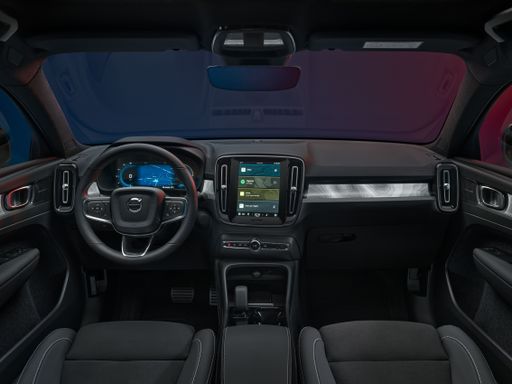
Both vehicles feature modern interiors focused on driver comfort and convenience. The Volvo EX40 is equipped with advanced safety features and a state-of-the-art infotainment system that includes a large touchscreen, voice control capabilities, and compatibility with various smartphone platforms, ensuring seamless connectivity.

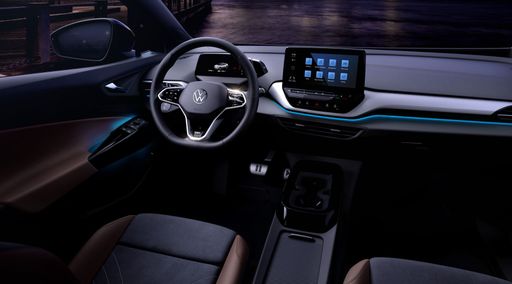
The VW ID.4 also integrates cutting-edge technology, including a digital cockpit, intuitive interface, and various driver-assistance features. The spacious interior design ensures ample headroom and legroom for passengers, complementing its focus on comfort for both the driver and riders.

EX40

Conclusion: Which SUV Reigns Supreme?

In comparing the Volvo EX40 and VW ID.4, we see two strong contenders in the electric SUV market. The Volvo EX40 shines with its powerful performance and stylish design, while the VW ID.4 impresses with its spacious interior and superior efficiency. Both models offer extensive features, innovative technology, and eco-friendly credentials that define modern electric vehicles. Ultimately, the choice between them will depend on personal preferences, priorities, and intended use, but both are exceptional options for anyone looking to embrace the future of driving.

Video - VW ID.4

Video Thumbnail

Here’s where it gets real: The technical differences in detail

ID.4

Costs and Efficiency:

Price and efficiency are key factors when choosing a car – and this is often where the real differences emerge.

VW ID.4 is markedly cheaper – starting at 34,600 £ , while the Volvo EX40 costs 42,800 £ . That’s a price difference of around 8,276 £.

In terms of energy consumption, the VW ID.4 is marginally more efficient: consuming 15.6 kWh/100km compared to 16.6 kWh/100km for the Volvo EX40. That’s a difference of about 1 kWh/100km.

As for electric range, the Volvo EX40 offers marginally more range – reaching up to 576 km, about 7 km more than the VW ID.4.

EX40

Engine and Performance:

Power, torque and acceleration are the classic benchmarks for car enthusiasts – and here, some clear differences start to show.

When it comes to engine power, the Volvo EX40 offers visibly more power – delivering 442 HP compared to 340 HP. That’s roughly 102 HP more horsepower.

When accelerating from 0 to 100 km/h, the Volvo EX40 is moderately quicker – completing the sprint in 4.6 s, while the VW ID.4 takes 5.4 s. That’s about 0.8 s quicker.

There’s no difference in top speed – both reach 180 km/h.

There’s also a difference in torque: the VW ID.4 delivers barely more torque with 679 Nm compared to 670 Nm. That’s about 9 Nm more.

ID.4

Space and Everyday Use:

Cabin size, boot volume and payload all play a role in everyday practicality. Here, comfort and flexibility make the difference.

Both vehicles offer seating for 5 people.

In terms of curb weight, VW ID.4 is only slightly lighter – 1,975 kg compared to 2,040 kg. The difference is around 65 kg.

Looking at boot space, the VW ID.4 offers visibly more boot space – 543 L compared to 410 L. That’s a difference of about 133 L.

For maximum load capacity, the VW ID.4 offers somewhat more capacity – up to 1,575 L, about 175 L more than the Volvo EX40.

When it comes to payload, the VW ID.4 carries moderately more – 551 kg compared to 480 kg. That’s a difference of about 71 kg.

Who wins the race in the data check?

The VW ID.4 sits just ahead overall in the objective data comparison.
This result only shows which model scores more points on paper – not which of the two cars feels right for you.

from £34,600
ID.4

VW ID.4

  • Engine Type : Electric
  • Transmission : Automatic
  • Drive Type : Rear-Wheel Drive, All-Wheel Drive
  • Power HP : 170 - 340 HP
  • Consumption kWh/100km : 15.6 - 17 kWh/100km
  • Electric Range : 356 - 569 km
VW ID.4
Volvo EX40

Costs and Consumption

View detailed analysis

Engine and Performance

View detailed analysis

Dimensions and Body

View detailed analysis

VW ID.4

The VW ID.4 is a calm, roomy electric SUV that turns everyday driving into a quietly confident experience, its practical packaging and smooth manners tailored perfectly for family life. Volkswagen's solid build and intuitive interior tech mean you get electric practicality without the sci‑fi theatrics, making the ID.4 a sensible, surprisingly likable choice for most buyers.

details

Volvo EX40

The Volvo EX40 wraps Scandinavian calm and clever practicality into a compact electric package that feels both premium and refreshingly uncomplicated. It's the grown-up answer to flashier rivals — a safe, comfy, and city-friendly EV with thoughtful tech that makes everyday driving quietly satisfying.

details
VW ID.4
Volvo EX40

Costs and Consumption

Price
34,600 - 47,200 £
Price
42,800 - 58,200 £
Consumption L/100km
-
Consumption L/100km
-
Consumption kWh/100km
15.6 - 17 kWh/100km
Consumption kWh/100km
16.6 - 17.6 kWh/100km
Electric Range
356 - 569 km
Electric Range
480 - 576 km
Battery Capacity
52 - 77 kWh
Battery Capacity
67 - 79 kWh
co2
0 g/km
co2
0 g/km
Fuel tank capacity
-
Fuel tank capacity
-

Dimensions and Body

Body Type
SUV
Body Type
SUV
Seats
5
Seats
5
Doors
5
Doors
5
Curb weight
1,975 - 2,248 kg
Curb weight
2,040 - 2,170 kg
Trunk capacity
543 L
Trunk capacity
410 L
Length
4,582 - 4,584 mm
Length
4,440 mm
Width
1,852 mm
Width
1,863 mm
Height
1,619 - 1,634 mm
Height
1,647 mm
Max trunk capacity
1,575 L
Max trunk capacity
1,400 L
Payload
515 - 551 kg
Payload
430 - 480 kg

Engine and Performance

Engine Type
Electric
Engine Type
Electric
Transmission
Automatic
Transmission
Automatic
Transmission Detail
Reduction Gearbox
Transmission Detail
Reduction Gearbox
Drive Type
Rear-Wheel Drive, All-Wheel Drive
Drive Type
Rear-Wheel Drive, All-Wheel Drive
Power HP
170 - 340 HP
Power HP
238 - 442 HP
Acceleration 0-100km/h
5.4 - 9 s
Acceleration 0-100km/h
4.6 - 7.3 s
Max Speed
160 - 180 km/h
Max Speed
180 km/h
Torque
310 - 679 Nm
Torque
420 - 670 Nm
Number of Cylinders
-
Number of Cylinders
-
Power kW
125 - 250 kW
Power kW
175 - 325 kW
Engine capacity
-
Engine capacity
-

General

Model Year
2,023 - 2,025
Model Year
2,024
CO2 Efficiency Class
A
CO2 Efficiency Class
A
Brand
VW
Brand
Volvo
DriveDuel uses data analysis and artificial intelligence to evaluate vehicle data and create content. Content is regularly reviewed and improved. The displayed prices are estimates based on German list prices, adjusted to the respective country’s VAT. Country-specific registration taxes are not included. This information is not legally binding.