Kia EV5 alternatives & comparisons

Here you can find alternatives to the Kia EV5, based on existing comparison pages and popular model matchups. We currently show 6 suitable models as a starting point for your buying decision.

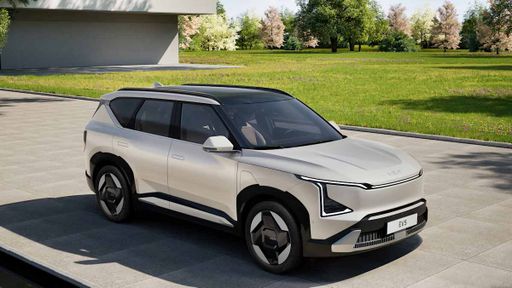
Kia EV5

Alternative models

These models are frequently compared with the Kia EV5 and are good next research steps.

from £34,200
Explorer EV

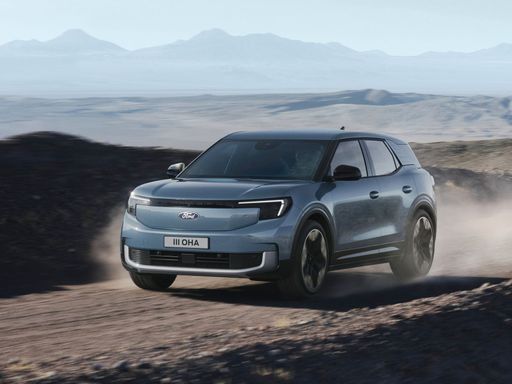
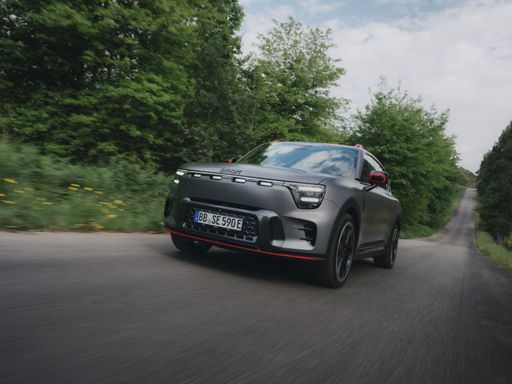
Ford Explorer EV

  • Engine Type : Electric
  • Transmission : Automatic
  • Drive Type : Rear-Wheel Drive, All-Wheel Drive
  • Power HP : 190 - 340 HP
  • Consumption kWh/100km : 14.6 - 17.3 kWh/100km
  • Electric Range : 417 - 602 km

Ford Explorer EV as a suitable alternative to Kia EV5

The Ford Explorer EV arrives like a burly, tech-laden American SUV — roomy, confident on the road and aimed at buyers who want presence and practicality in electric form. The Kia EV5 counters with sharper styling, clever packaging and a value-packed tech suite, making it the smarter, more city-friendly choice for buyers who prefer efficiency and style over brute force.

The Ford Explorer EV translates the familiar big‑American SUV presence into whisper‑quiet electric motoring, offering roomy seating and a tech‑forward cabin that will please families and road‑trippers alike. It drives with more composure than its boxy looks suggest, blending a comfortable ride and eager acceleration while undercutting the guilt of gas stops — a practical, modern alternative for buyers who want Explorer space with electric charm.

Quick data check: Ford Explorer EV

  • somewhat cheaper
  • barely more power
  • somewhat more efficient
  • a bit more electric range
  • moderately quicker 0–100 km/h
  • very slightly lighter
from £41,900
Enyaq

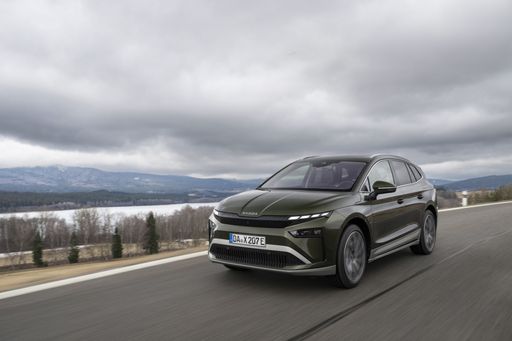
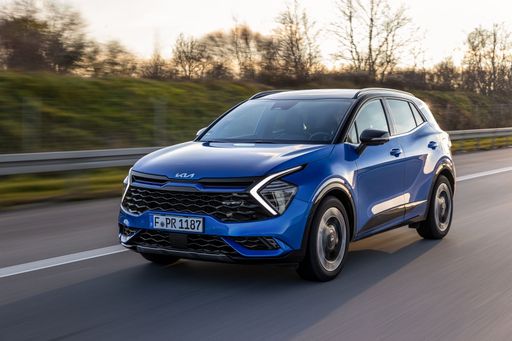
Skoda Enyaq

  • Engine Type : Electric
  • Transmission : Automatic
  • Drive Type : Rear-Wheel Drive, All-Wheel Drive
  • Power HP : 286 - 340 HP
  • Consumption kWh/100km : 14.8 - 16.2 kWh/100km
  • Electric Range : 538 - 587 km

Skoda Enyaq as a suitable alternative to Kia EV5

The Skoda Enyaq plays the sensible family EV: calm, roomy and beautifully screwed together, while the Kia EV5 turns up with concept-car swagger, smart storage and value that’ll have accountants smiling. If you want long-haul refinement and a cavernous boot, pick the Enyaq; if bold design, generous kit and a tempting price are your jam, the EV5 is the disruptive newcomer to test first.

The Skoda Enyaq is a reassuring, family‑first electric SUV that trades sporting drama for exceptional quiet, roomy rear seats and a genuinely practical boot. It’s remarkably easy to live with thanks to sensible controls and steady fast charging, though the touchscreen‑led infotainment can be sluggish and driving enthusiasts looking for sharp handling should look elsewhere.

Quick data check: Skoda Enyaq

  • only slightly cheaper
  • barely lighter
  • marginally more power
  • somewhat more efficient
  • only slightly more electric range
  • a bit quicker 0–100 km/h
from £38,600
EV6

Kia EV6

  • Engine Type : Electric
  • Transmission : Automatic
  • Drive Type : Rear-Wheel Drive, All-Wheel Drive
  • Power HP : 170 - 609 HP
  • Consumption kWh/100km : 15.9 - 20.9 kWh/100km
  • Electric Range : 428 - 582 km

Kia EV6 as a suitable alternative to Kia EV5

The Kia EV6 is the sleek, sporty crossover that doubles as an EV driver's toy — rapid off the line, long‑legged on the motorway and bristling with tech that feels a step ahead. The Kia EV5 dials down the drama for everyday sense: a roomier, more affordable and practical compact SUV that will appeal to families and city buyers who want electric without the theatrical flair.

The Kia EV6 looks like it sprinted off a concept stage, its bold, futuristic lines wrapping a surprisingly spacious and grown-up cabin. On the road it delivers crisp, immediate thrust and composed handling, with enough everyday practicality and slick tech to make ditching petrol feel like an upgrade rather than a compromise.

Quick data check: Kia EV6

  • very slightly cheaper
  • clearly more power
  • marginally more efficient
  • marginally more electric range
  • clearly quicker 0–100 km/h
  • marginally lighter
from £30,800
EV3

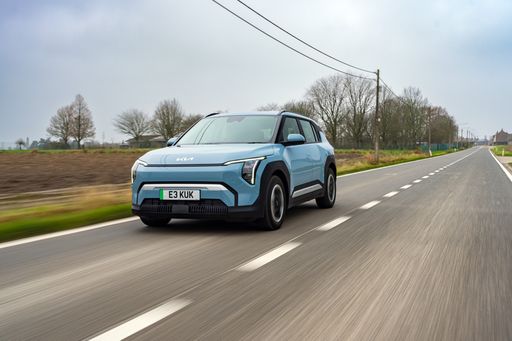
Kia EV3

  • Engine Type : Electric
  • Transmission : Automatic
  • Drive Type : Front-Wheel Drive
  • Power HP : 204 HP
  • Consumption kWh/100km : 14.9 - 16.2 kWh/100km
  • Electric Range : 436 - 605 km

Kia EV3 as a suitable alternative to Kia EV5

The Kia EV3 is a cheeky, wallet-friendly compact that nails city commutes with eager acceleration and sensible range, while the larger Kia EV5 turns the volume up on space, tech and real-world range for families and road trips. Pick the EV3 if you want zippy urban agility and savings; choose the EV5 if you need extra room, longer range and the grown-up crossover comforts that justify the higher price.

The Kia EV3 arrives as a cheeky, practical electric compact that manages to feel both premium and playful, delivering crisp handling and a roomy cabin that's perfect for urban life. With smart tech, friendly styling and sensible pricing, the EV3 is the kind of car that makes switching to electric feel like a no-brainer without asking you to give anything important up.

Quick data check: Kia EV3

  • visibly more power
  • noticeably quicker 0–100 km/h
  • markedly cheaper
  • slightly more efficient
  • a bit more electric range
  • a bit lighter
from £42,800
IONIQ 5

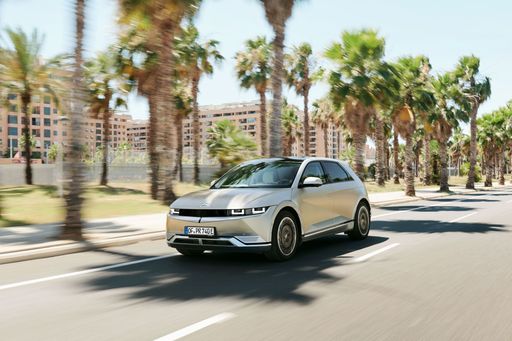
Hyundai IONIQ 5

  • Engine Type : Electric
  • Transmission : Automatic
  • Drive Type : Rear-Wheel Drive
  • Power HP : 170 - 229 HP
  • Consumption kWh/100km : 15.6 - 16 kWh/100km
  • Electric Range : 440 - 570 km

Hyundai IONIQ 5 as a suitable alternative to Kia EV5

The Hyundai IONIQ 5 and Kia EV5 square off as two very different takes on the modern family EV — the IONIQ 5 charms with retro-futuristic style, advanced tech and reassuring range options, while the EV5 aims for sharper packaging, more usable rear space and a friendlier price. If you want personality and established proven tech, go IONIQ 5; if you want the best value-per-seat and a sensible family hauler, the EV5 is the smarter, less flashy choice.

The Hyundai IONIQ 5 looks like a spaceship that moved into suburbia, pairing bold retro‑futuristic styling with a roomy, cleverly laid-out cabin that makes long trips surprisingly comfortable. Its electric character delivers instant, silky acceleration and low running costs, making it a smart, slightly cheeky pick for buyers who want tech, practicality and personality without the drama.

Quick data check: Hyundai IONIQ 5

  • barely cheaper
  • markedly more power
  • noticeably quicker 0–100 km/h
  • only slightly more efficient
  • barely more electric range
  • barely lighter
from £34,800
ID.4

VW ID.4

  • Engine Type : Electric
  • Transmission : Automatic
  • Drive Type : Rear-Wheel Drive, All-Wheel Drive
  • Power HP : 190 - 299 HP
  • Consumption kWh/100km : 15.4 - 16.6 kWh/100km
  • Electric Range : 425 - 570 km

VW ID.4 as a suitable alternative to Kia EV5

VW ID.4 is the sensible suit-and-sneakers choice: calm ride, polished cabin and a mature EV experience backed by a big dealer network. Kia EV5 counters with bolder styling, loads of space and kit for the money—if your heart wants fresh flair and your wallet loves value, pick the EV5; if you crave proven polish, the ID.4 remains the safe bet.

The VW ID.4 is a roomy, comfort‑focused electric SUV that makes family life and daily commuting effortless with a practical interior and a calm, efficient powertrain. It’s reassuring and sensible rather than thrilling — well suited to long stretches thanks to a relaxed ride and useful assistance systems, but the touch‑centric controls, restricted rear visibility and muted steering keep it from exciting drivers who want sportier dynamics.

Quick data check: VW ID.4

  • barely more power
  • a bit cheaper
  • barely more efficient
  • very slightly more electric range
  • marginally quicker 0–100 km/h
  • barely lighter
DriveDuel uses data analysis and artificial intelligence to evaluate vehicle data and create content. Content is regularly reviewed and improved. The displayed prices are estimates based on German list prices, adjusted to the respective country’s VAT. Country-specific registration taxes are not included. This information is not legally binding.