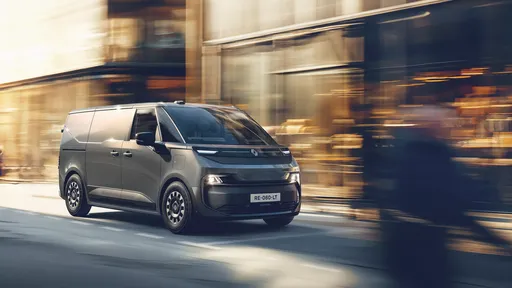
Renault Trafic Bus Bus, starting at 34,600 £

The Renault Trafic is a practical people-carrier that prefers sensible space and smart flexibility to showroom gloss, making it a top pick for families, shuttle operators or anyone ferrying a crowd without fuss. It’s comfortable, economical in everyday running and blessedly uncomplicated — not the most glamorous vehicle, but brilliantly dependable when you need it to be.

Reviews & community

All real reviews and experiences about the Renault Trafic Bus in one place.

To community

Technical data, trims & prices

All technical data, dimensions and equipment details of this model at a glance.

To technical data

Alternative car models

Discover similar models and possible alternatives to this vehicle.

To alternatives

from £34,600
Trafic Bus

Renault Trafic Bus

  • Engine Type Diesel
  • Transmission Automatic, Manuel
  • Drive Type Front-Wheel Drive
  • Power HP 110 - 170 HP
  • Consumption L/100km 6.8 - 7.2 L/100km

First Impressions: A Practical Face

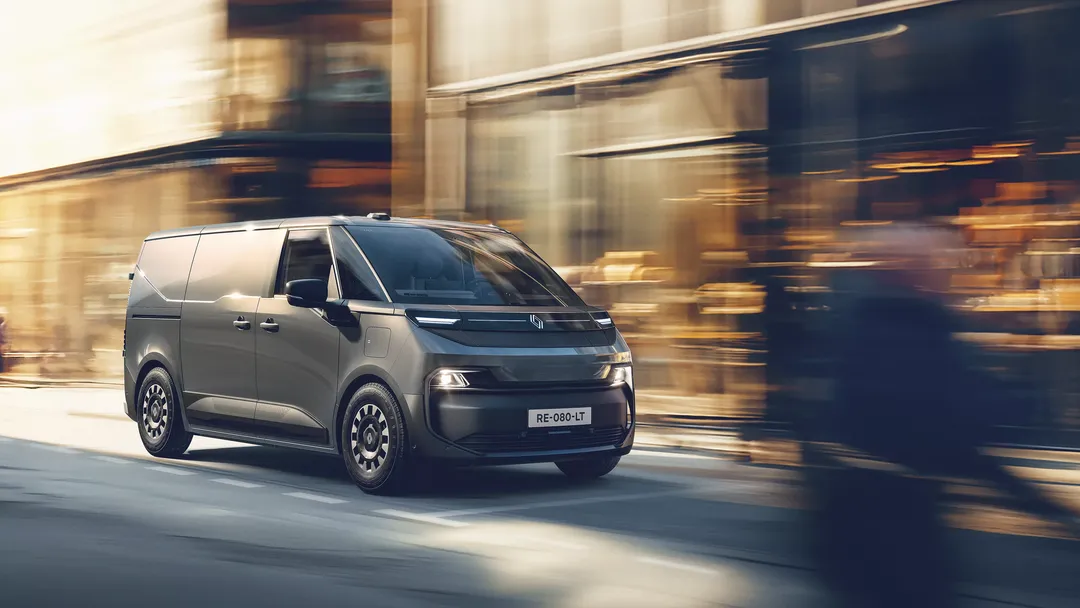
The Renault Trafic Bus presents a businesslike, no-nonsense appearance that prioritises function over flair, with clean panels, large glass areas and sliding doors that signal its shuttle intentions. Proportions are tall and boxy, and the choice between a standard 5,080 mm body or the longer 5,480 mm Grand version is obvious when parking next to smaller vans. The stance is composed rather than sporty, which helps when loading passengers and luggage in tight kerbside spaces.
Cabin: Built to Work, Not to Impress

The interior favours hard-wearing plastics and practical surfaces that stand up to daily use and easy cleaning, while seat fabrics and trims are chosen for durability rather than luxury. The driver area is straightforward with well-placed controls, large mirrors and good forward visibility for city driving and frequent stops. Storage cubbies, cupholders and a sensible dash layout keep essentials within reach, though the ambience won't rival a passenger car for refinement.

Room to Move: Seats, Bags and Tricks

Seating is available for either 8 or 9 passengers depending on layout, and the Trafic Bus swallows luggage with a maximum load volume that reaches around 3,200–4,000 litres, meaning airport shuttle runs and school routes are well within its remit. Payload figures approach the metric-ton mark on some variants, so carrying people plus baggage rarely requires compromises. Practical touches such as wide sliding doors and a low load sill make boarding and luggage handling straightforward for everyday use.

On the Road: Composed, Predictable, Useful

Front-wheel drive keeps packaging simple and turns the Trafic into a predictable handler with light steering and modest body roll—comfort and stability are prioritised over agility. Engine choices span roughly 110–170 hp with torque in the 300–380 Nm band, producing 0–100 km/h times that vary from about 10.6 to 16.5 seconds, so motorway progress is steady and overtakes are not stressful when fitted with the stronger units. The suspension soaks up bumps comfortably at low speeds, making it well suited to urban runs and highway cruising when lightly loaded.

Fuel Sense: Economy that Matches the Job

Consumption averages between approximately 6.7 and 7.2 L/100 km depending on engine and gearbox, and an 80‑litre tank translates into real-world ranges of roughly 1,100–1,200 km between fill-ups on mixed routes, which cuts refuelling downtime for fleets. CO2 outputs fall into mid-range fleet classes, so total running costs will depend on duty cycle and local emissions rules. In practice the Trafic Bus rewards steady driving and sensible gearing with useful economy for long shifts and frequent hops.

Driver Aids and Connectivity: Practical, Not Flashy

The equipment list covers the essentials expected by commercial operators—cruise control, parking sensors and basic safety aids—while infotainment offers touchscreen control and smartphone mirroring to keep routes and playlists accessible. Advanced driver assistance exists in stepwise options rather than as standard fitted kit, and choosing an automatic gearbox or the 170 hp unit is sensible for heavy loads or motorway-focused duties. The system is intuitive for drivers who change vehicles frequently, prioritising reliability over headline-grabbing tech.

Who Should Buy It?

The Trafic Bus suits operators who need a rugged, spacious shuttle for hotels, airports, schools and group transport where durability and cargo capacity matter more than plush interiors. Buyers who cover long distances or carry frequent heavy loads should consider the more powerful engines and automatic gearbox for lower strain and easier overtaking. Overall it is a pragmatic choice for fleets and businesses that value space, economy and low operational fuss above showroom polish.

Costs and Consumption

Price
34,600 - 54,400 £
Consumption L/100km
6.8 - 7.2 L/100km
Consumption kWh/100km
-
Electric Range
-
Battery Capacity
-
co2
179 - 189 g/km
Fuel tank capacity
-

Dimensions and Body

Body Type
Bus
Seats
8 - 9
Doors
-
Curb weight
2,031 - 2,352 kg
Trunk capacity
-
Length
-
Width
1,956 mm
Height
-
Max trunk capacity
-
Payload
718 - 982 kg

Engine and Performance

Engine Type
Diesel
Transmission
Automatic, Manuel
Transmission Detail
Automatic Gearbox, Manual Gearbox
Drive Type
Front-Wheel Drive
Power HP
110 - 170 HP
Acceleration 0-100km/h
10.6 - 16.5 s
Max Speed
-
Torque
300 - 380 Nm
Number of Cylinders
4
Power kW
81 - 125 kW
Engine capacity
1,997 cm3

General

Model Year
2,025 - 2,026
CO2 Efficiency Class
G
Brand
Renault
What drivetrain options does the Renault Trafic Bus have?

The Renault Trafic Bus is available as Front-Wheel Drive.

DriveDuel uses data analysis and artificial intelligence to evaluate vehicle data and create content. Content is regularly reviewed and improved. The displayed prices are estimates based on German list prices, adjusted to the respective country’s VAT. Country-specific registration taxes are not included. This information is not legally binding.