VS

BMW iX vs BMW iX1 comparison

Compare performance (659 HP vs 313 HP), boot space and price (71,600 £ vs 42,300 £ ) at a glance. Find out which car is the better choice for you – BMW iX or BMW iX1?

BMW iX vs BMW iX1: Key differences

BMW iX

3.9 (1 Reviews)
rate
  • clearly more power
  • visibly more electric range
  • significantly quicker 0–100 km/h
  • only slightly more trunk space

BMW iX1

4.7 (3 Reviews)
rate
  • substantially cheaper
  • markedly more efficient
  • noticeably lighter

All details on performance, efficiency, range and trunk space can be found in the technical comparison below – including user reviews for both models.

iX

Electric Line-Up Showdown: BMW iX1 vs. BMW iX

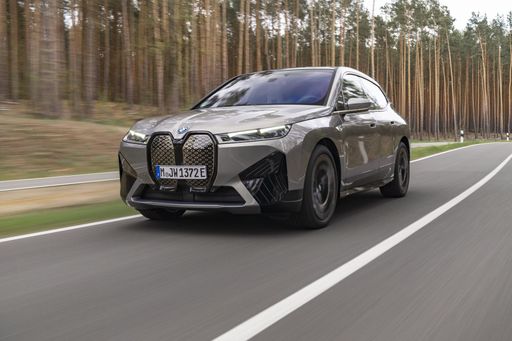
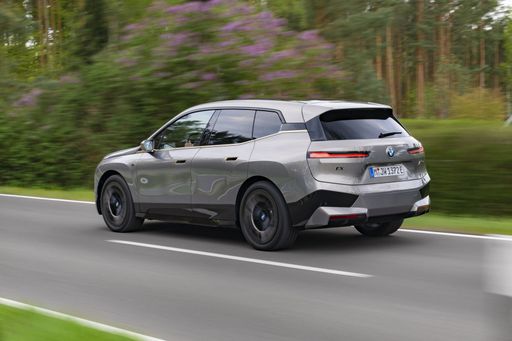
In the burgeoning electric vehicle market, BMW has staked its claim with both the BMW iX1 and the larger, more robust BMW iX. Both models boast the latest in automotive innovation but cater to different spectrums of the electric SUV market. In this article, we will dissect each model's technical prowess and innovative features to help you decide which powerhouse fits your lifestyle.
iX1

Powertrain and Performance

The BMW iX1 offers two distinct power outputs: the front-wheel-drive model with 204 HP (150 kW)and an all-wheel-drive model boasting 313 HP (230 kW). It offers an acceleration from 0 to 100 km/h in 8.6 seconds for the lower-powered version and a zippy 5.6 seconds for the more powerful variant. Perfect for urban drives, the iX1 is equipped with a reduction gearbox transmission and achieves a top speed of 170 km/h to 180 km/h, depending on the variant.

On the other hand, the BMW iX offers a spectrum of power options, with outputs ranging from 326 HP (240 kW) to an impressive 659 HP (485 kW). Featuring all-wheel drive as standard, the iX accelerates from 0 to 100 km/h in as little as 3.8 seconds, positioning itself among the quickest electric SUVs available. The top speed ranges from a respectable 200 km/h to a thrilling 250 km/h.

iX

Battery and Range

The BMW iX1's battery capacity rests at 64.8 kWh, providing an electric range between 436 km and 463 km. This balance of battery efficiency and performance makes the iX1 an ideal electric SUV for city commuters and those seeking sustainable travel options.

When it comes to the iX, the larger SUV thrives with a range that can stretch up to 701 km, thanks to its optional 109.6 kWh battery capacity. Higher trims manage to combine greater battery capacity with efficient consumption, proving that bigger can indeed be better when it comes to battery life.

iX1

Space and Comfort

Despite their differences in size, both models comfortably accommodate up to five passengers. The iX1 offers a practical trunk capacity of 490 liters, ideal for everyday errands or small family road trips. The more entrepreneurial iX takes it a step further with a generous 500 liters of trunk space, perfect for longer journeys and larger loads.

iX

Dimensions and Weight

The iX1’s more compact dimensions—measuring 4500 mm in length, 1845 mm in width, and 1616 mm in height—make it a nimble choice for navigating tight urban spaces. The curb weight ranges from 1940 kg to 2085 kg, balancing agility with stability.

The iX, being the bigger sibling, measures between 4953 mm and 4965 mm in length, 1967 mm to 1970 mm in width, and a height range from 1688 mm to 1696 mm. This abundant size translates to a more spacious cabin, with curb weights spanning 2440 kg to 2670 kg, delivering an unmatched road presence.

iX1

Conclusion: Which BMW Electric SUV Suits You?

Ultimately, the choice between the BMW iX1 and the BMW iX boils down to what you prioritize: the iX1 excels in urban environments with its compact dimensions and adequate range, while the iX offers premium performance with its power and extensive range, perfect for those who require a more capable and luxurious option. Both SUVs demonstrate BMW's commitment to electric innovation, but they cater to different drivers' needs, ensuring there's an electric BMW SUV that fits your lifestyle perfectly.

Here’s where it gets real: The technical differences in detail

iX

Costs and Efficiency:

When it comes to price and running costs, the biggest differences usually appear. This is often where you see which car fits your budget better in the long run.

BMW iX1 is substantially cheaper – starting at 42,300 £ , while the BMW iX costs 71,600 £ . That’s a price difference of around 29,229 £.

In terms of energy consumption, the BMW iX1 is markedly more efficient: consuming 14.3 kWh/100km compared to 17.8 kWh/100km for the BMW iX. That’s a difference of about 3.5 kWh/100km.

As for electric range, the BMW iX offers visibly more range – reaching up to 701 km, about 187 km more than the BMW iX1.

iX1

Engine and Performance:

Power, torque and acceleration say a lot about how a car feels on the road. This is where you see which model delivers more driving dynamics.

When it comes to engine power, the BMW iX offers clearly more power – delivering 659 HP compared to 313 HP. That’s roughly 346 HP more horsepower.

When accelerating from 0 to 100 km/h, the BMW iX is significantly quicker – completing the sprint in 3.8 s, while the BMW iX1 takes 5.6 s. That’s about 1.8 s quicker.

There’s also a difference in torque: the BMW iX delivers significantly more torque with 1,015 Nm compared to 494 Nm. That’s about 521 Nm more.

iX

Space and Everyday Use:

Whether family car or daily driver – which one offers more room, flexibility and comfort?

Both vehicles offer seating for 5 people.

In terms of curb weight, BMW iX1 is noticeably lighter – 1,940 kg compared to 2,525 kg. The difference is around 585 kg.

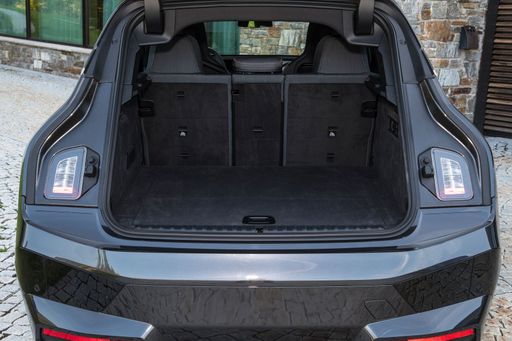
Looking at boot space, the BMW iX offers only slightly more boot space – 500 L compared to 490 L. That’s a difference of about 10 L.

When it comes to payload, the BMW iX carries slightly more – 575 kg compared to 495 kg. That’s a difference of about 80 kg.

Who wins the race in the data check?

The BMW iX stands well ahead of its rival in the objective data comparison.
This result only shows which model scores more points on paper – not which of the two cars feels right for you.

from £71,600
iX

BMW iX

  • Engine Type : Electric
  • Transmission : Automatic
  • Drive Type : All-Wheel Drive
  • Power HP : 408 - 659 HP
  • Consumption kWh/100km : 17.8 - 20.6 kWh/100km
  • Electric Range : 600 - 701 km
BMW iX
BMW iX1

Costs and Consumption

View detailed analysis

Engine and Performance

View detailed analysis

Dimensions and Body

View detailed analysis

BMW iX

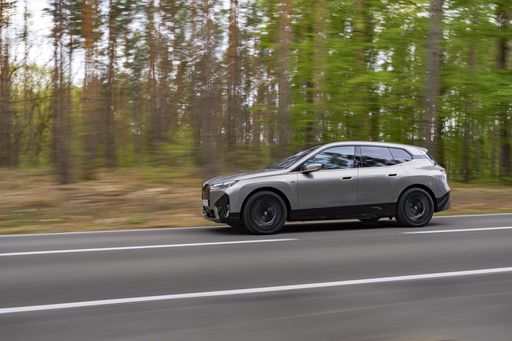
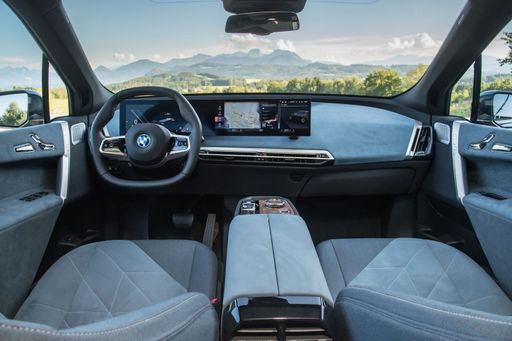
The BMW iX arrives like a tech-rich luxury SUV that refuses to shout, offering a serene yet authoritative road presence that suits both city commutes and long-distance cruising. Inside, its minimalist cabin wraps high-quality materials and clever interfaces around a driver-focused layout, making it feel more like a forward-thinking lounge than just another electric appliance — and yes, it still delivers the dynamic driving character you'd expect from a BMW.

details

BMW iX1

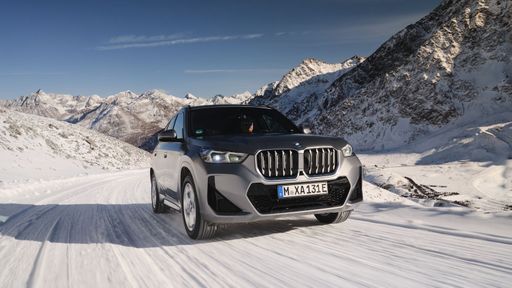
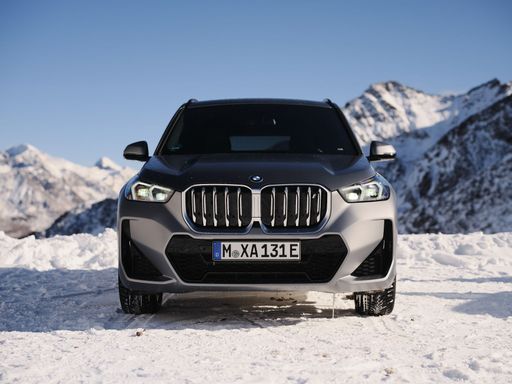
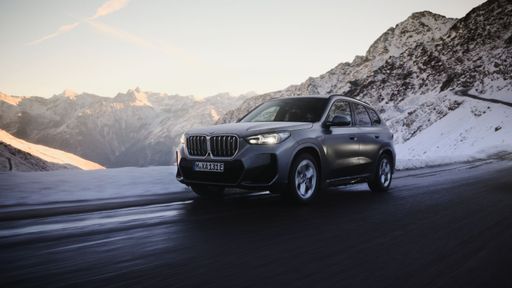
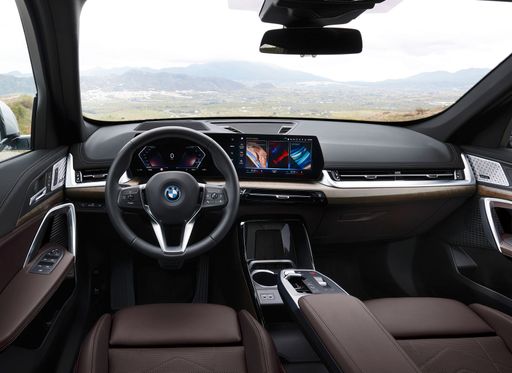
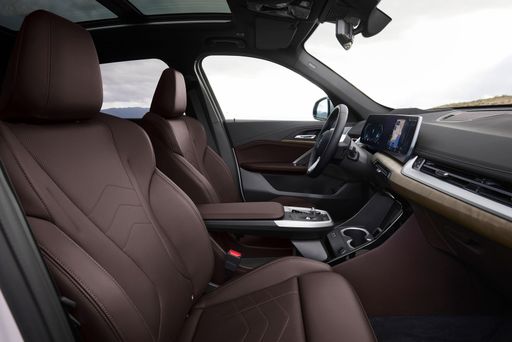
The BMW iX1 wraps BMW's electric ambition into a compact SUV package that feels unexpectedly premium, with sharp handling and a crisp, modern cabin that keeps the driver in charge. It's ideal for buyers who want a stylish, quiet daily driver with useful practicality and tech-savvy touches — plus enough character to make the commute feel less like a chore and more like a short joyride.

details
BMW iX
BMW iX1

Costs and Consumption

Price
71,600 - 108,400 £
Price
42,300 - 55,200 £
Consumption L/100km
-
Consumption L/100km
-
Consumption kWh/100km
17.8 - 20.6 kWh/100km
Consumption kWh/100km
14.3 - 15.7 kWh/100km
Electric Range
600 - 701 km
Electric Range
466 - 514 km
Battery Capacity
-
Battery Capacity
-
co2
0 g/km
co2
0 g/km
Fuel tank capacity
-
Fuel tank capacity
-

Dimensions and Body

Body Type
SUV
Body Type
SUV
Seats
5
Seats
5
Doors
-
Doors
-
Curb weight
2,525 - 2,655 kg
Curb weight
1,940 - 2,085 kg
Trunk capacity
500 L
Trunk capacity
490 L
Length
-
Length
-
Width
1,970 mm
Width
1,845 mm
Height
-
Height
-
Max trunk capacity
-
Max trunk capacity
-
Payload
505 - 575 kg
Payload
495 kg

Engine and Performance

Engine Type
Electric
Engine Type
Electric
Transmission
Automatic
Transmission
Automatic
Transmission Detail
Reduction Gearbox
Transmission Detail
Reduction Gearbox
Drive Type
All-Wheel Drive
Drive Type
Front-Wheel Drive, All-Wheel Drive
Power HP
408 - 659 HP
Power HP
204 - 313 HP
Acceleration 0-100km/h
3.8 - 5.1 s
Acceleration 0-100km/h
5.6 - 8.6 s
Max Speed
-
Max Speed
-
Torque
700 - 1,015 Nm
Torque
250 - 494 Nm
Number of Cylinders
-
Number of Cylinders
-
Power kW
300 - 485 kW
Power kW
150 - 230 kW
Engine capacity
-
Engine capacity
-

General

Model Year
2,025
Model Year
2,026
CO2 Efficiency Class
A
CO2 Efficiency Class
A
Brand
BMW
Brand
BMW
DriveDuel uses data analysis and artificial intelligence to evaluate vehicle data and create content. Content is regularly reviewed and improved. The displayed prices are estimates based on German list prices, adjusted to the respective country’s VAT. Country-specific registration taxes are not included. This information is not legally binding.