VS

Mercedes GLC EQ vs Volvo EX60 comparison

Compare performance (489 HP vs 680 HP), boot space and price (61,100 £ vs 54,000 £ ) at a glance. Find out which car is the better choice for you – Mercedes GLC EQ or Volvo EX60?

Mercedes GLC EQ vs Volvo EX60: Key differences

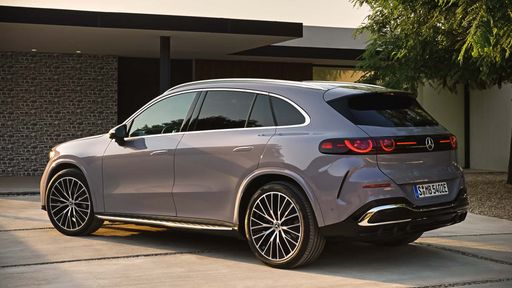
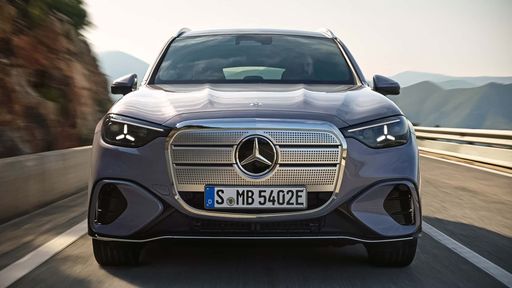
Mercedes GLC EQ

4.7 (3 Reviews)
rate
  • only slightly more trunk space
details

Volvo EX60

4.7 (1 Reviews)
rate
  • a bit cheaper
  • clearly more power
  • somewhat more electric range
  • moderately quicker 0–100 km/h
  • slightly lighter
details

All details on performance, efficiency, range and trunk space can be found in the technical comparison below – including user reviews for both models.

By Achim Sedelmaier

GLC EQ

Volvo EX60 VS Mercedes GLC EQ — which electric SUV fits your life?

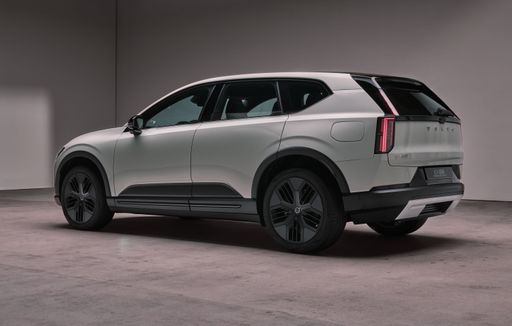
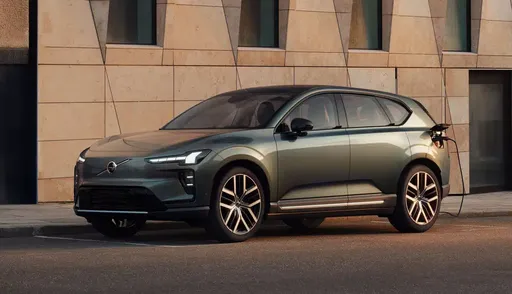
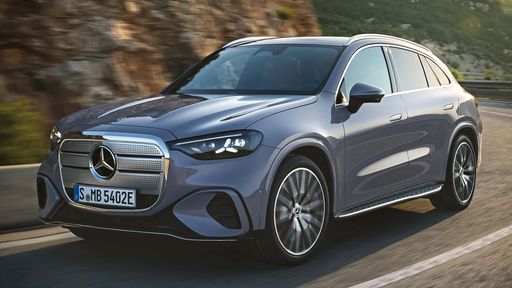
Volvo EX60 VS Mercedes GLC EQ pits a Scandinavian, comfort‑first EV against a German, tech‑heavy premium SUV, and the contrast is immediately practical for buyers. The Volvo EX60 feels built for quiet long-distance cruising and passenger comfort, while the Mercedes GLC EQ emphasizes luxury trimmings, a large usable boot and feature-rich driver aids. If you value a calm cabin and spacious rear seating, the EX60 will land closer to your priorities; if you prize a plush interior, many assistive features and maximum luggage utility, the GLC EQ answers that call. Both cars aim at premium buyers but steer them toward different everyday compromises. Read on for how those trade-offs play out in city driving, long trips and family life.
EX60

Character and long‑distance behavior

The Volvo EX60 makes long drives feel deliberately unhurried with unusually low noise levels and a suspension tune that soaks up road harshness, whereas the Mercedes GLC EQ trades a touch of tautness for a richer luxury feel that can be tuned even softer with optional air suspension. Volvo leans toward a composed, relaxed ride and slightly sharper acceleration in many versions, which helps on overtakes and motorway merges without needing to push the car hard. Mercedes rewards steady‑state cruising with weighty refinement and strong mid‑range shove, but it can bob a bit on wrinkled motorway surfaces unless you opt for the adaptive setup. Both are more about serenity than sport, but the EX60 tilts the balance toward hush and comfort while the GLC EQ offers that comfort with an extra layer of luxury tailoring. For buyers who count calmness and rear-seat serenity above everything, the EX60 feels like the longer‑distance companion; for those who want a cosseting cabin with modular suspension options, the GLC EQ is the more adjustable choice.

GLC EQ

Cabin feel and perceived quality

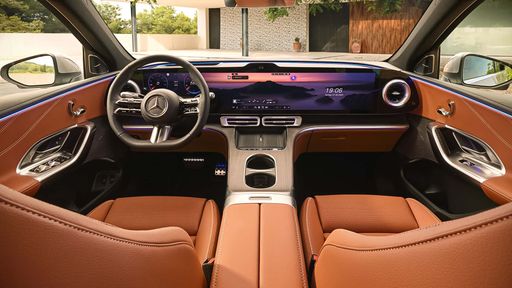
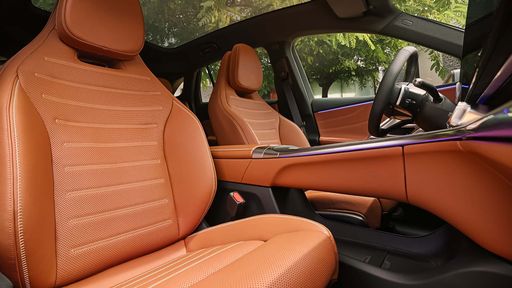
Inside the Volvo EX60 the mood is Scandinavian: airy materials, tidy surfaces and a modern infotainment approach with Google Built‑in that keeps interaction straightforward, while the Mercedes GLC EQ projects opulence through rich finishes, expansive screens and a denser feature set. The EX60’s layout gives a sense of useful restraint — controls are placed to reduce fuss and the rear feels particularly generous — whereas the GLC EQ piles on functions and displays that can impress but also distract. Mercedes generally reads as more overtly premium in materials and visual drama, but Volvo often wins on perceived everyday usability and clearer ergonomics for families. Buyers who prize a calm, uncluttered cockpit will like the EX60, those who want the theatre of a high‑end interior will prefer the GLC EQ. Both cabins feel high quality, but they deliver that quality in very different styles and with different daily consequences.

EX60

Practicality and family usability

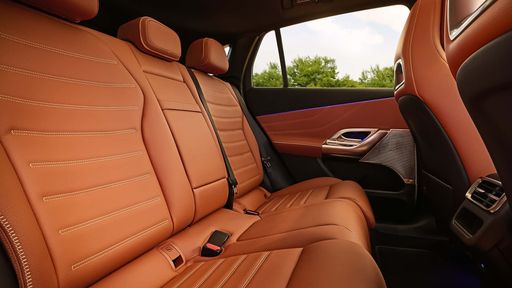
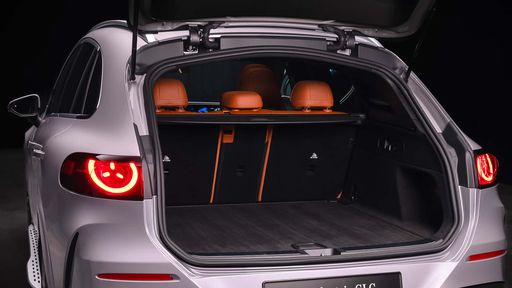
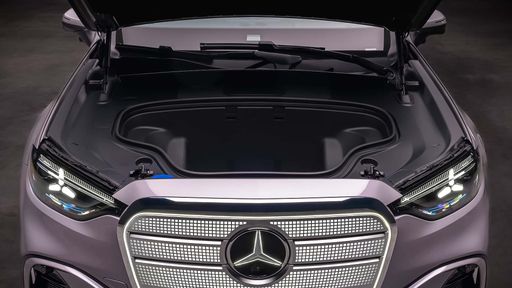
For everyday family life the Volvo EX60 scores with a flat rear floor, generous footroom and intuitive storage which make child seats and long legs comfortable, while the Mercedes GLC EQ counters with a larger, more accessible boot and a notably big frunk that simplifies cable storage. Volvo’s rear packaging feels passenger‑centric and straightforward; Mercedes gives you maximum cargo volume and flexible seat folding, but with a higher loading lip that can make heavy boxes a nuisance. Both cars are competent for family duties, yet the trade‑off is clear: choose the EX60 if rear passenger comfort and ease of living matter most, choose the GLC EQ if raw luggage capacity and neat cargo organisation are your priorities. Practical families should weigh who rides most often and what they carry — children and boosters favour the EX60’s space, weekend gear and bulky loads favour the GLC EQ. In short, it’s rear‑seat comfort versus total cargo utility.

GLC EQ

City friendliness and daily usability

In town the Volvo EX60 is easy to live with thanks to fine throttle modulation and cameras that compensate for a narrowed over‑shoulder view, whereas the Mercedes GLC EQ is surprisingly manoeuvrable for its size thanks to optional rear‑axle steering and very reliable park‑assist systems. The EX60’s width and windowline can cost situational awareness in tight parking, so you’ll find yourself trusting the 360° cameras more often; the GLC EQ’s smaller turning circle and automated parking tools make garage and kerbside work less stressful. Both cars offer comprehensive driver aids that reduce urban friction, but the GLC EQ feels marginally more engineered for tight spots when equipped with its agility packages. Consider which you value: the EX60’s composed, easy‑to‑modulate driving in slow traffic or the GLC EQ’s mechanical tricks that shrink the footprint in practice. For inner‑city dwellers who park every day, the Mercedes’ handling extras tip the balance toward easier manoeuvres.

Buyer fit and what to explore next

If your checklist begins with serene long trips, rear‑seat space and a pared‑back, tech‑friendly cabin, the Volvo EX60 sits naturally on that list; if you begin from a desire for maximum boot/frunk utility, a show‑piece interior and tunable suspension plus easy city manoeuvrability, the Mercedes GLC EQ will attract you. Pricing and option strategy also change the story: the EX60 tends to present a value proposition focused on standard kit and quiet refinement, while the GLC EQ can be elevated into a very luxurious machine — at the cost of chosen packages. Neither car is aimed at driving‑enthusiasts seeking razor‑sharp handling, so your choice is about comfort, space and how you use the car day to day. With those buyer priorities clear, the technical comparison that follows will spell out the numbers you need to confirm the match.

Here’s where it gets real: The technical differences in detail

GLC EQ

Costs and Efficiency:

When it comes to price and running costs, the biggest differences usually appear. This is often where you see which car fits your budget better in the long run.

Volvo EX60 is a bit cheaper – starting at 54,000 £ , while the Mercedes GLC EQ costs 61,100 £ . That’s a price difference of around 7,107 £.

When it comes to electricity consumption, both models perform equally – each averaging 14.9 kWh/100km.

As for electric range, the Volvo EX60 offers somewhat more range – reaching up to 810 km, about 96 km more than the Mercedes GLC EQ.

EX60

Engine and Performance:

Power, torque and acceleration are the classic benchmarks for car enthusiasts – and here, some clear differences start to show.

When it comes to engine power, the Volvo EX60 offers clearly more power – delivering 680 HP compared to 489 HP. That’s roughly 191 HP more horsepower.

When accelerating from 0 to 100 km/h, the Volvo EX60 is moderately quicker – completing the sprint in 3.9 s, while the Mercedes GLC EQ takes 4.3 s. That’s about 0.4 s quicker.

There’s also a difference in torque: the Mercedes GLC EQ delivers only slightly more torque with 800 Nm compared to 790 Nm. That’s about 10 Nm more.

GLC EQ

Space and Everyday Use:

Cabin size, boot volume and payload all play a role in everyday practicality. Here, comfort and flexibility make the difference.

Both vehicles offer seating for 5 people.

In terms of curb weight, Volvo EX60 is slightly lighter – 2,189 kg compared to 2,535 kg. The difference is around 346 kg.

Looking at boot space, the Mercedes GLC EQ offers only slightly more boot space – 570 L compared to 523 L. That’s a difference of about 47 L.

When it comes to payload, the Mercedes GLC EQ carries barely more – 505 kg compared to 461 kg. That’s a difference of about 44 kg.

Who wins the race in the data check?

The Volvo EX60 is far ahead overall in the objective data comparison.
This result only shows which model scores more points on paper – not which of the two cars feels right for you.

from £54,000
EX60

Volvo EX60

  • Engine Type Electric
  • Transmission Automatic
  • Drive Type Rear-Wheel Drive, All-Wheel Drive
  • Power HP 374 - 680 HP
  • Consumption kWh/100km 14.9 - 16.2 kWh/100km
  • Electric Range 611 - 810 km
Mercedes GLC EQ
Volvo EX60

Costs and Consumption

View detailed analysis

Engine and Performance

View detailed analysis

Dimensions and Body

View detailed analysis

Mercedes GLC EQ

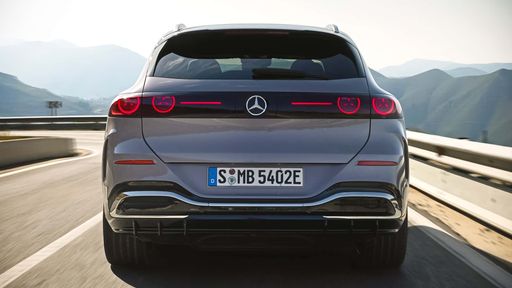
The Mercedes GLC EQ brings an electrified touch to Mercedes’ compact luxury SUV line, combining a quiet, refined ride with the comfort and polish you expect from the brand. It’s a smart choice for buyers who want premium materials and everyday practicality while reducing fuel use, though it leans more toward comfort than sporty handling.

details

Volvo EX60

The Volvo EX60 is a stylish electric SUV that pairs Scandinavian minimalism with a high-quality, comfortable cabin and an intuitive infotainment experience. It delivers a composed, refined ride with advanced safety and driver-assist systems that make daily driving relaxed and confident.

details
Mercedes GLC EQ
Volvo EX60

Costs and Consumption

Price
61,100 - 70,600 £
Price
54,000 - 67,500 £
Consumption L/100km
-
Consumption L/100km
-
Consumption kWh/100km
14.9 - 16.6 kWh/100km
Consumption kWh/100km
14.9 - 16.2 kWh/100km
Electric Range
645 - 714 km
Electric Range
611 - 810 km
Battery Capacity
-
Battery Capacity
-
co2
0 g/km
co2
0 g/km
Fuel tank capacity
-
Fuel tank capacity
-

Dimensions and Body

Body Type
SUV
Body Type
SUV
Seats
5
Seats
5
Doors
-
Doors
-
Curb weight
2,535 kg
Curb weight
2,189 - 2,405 kg
Trunk capacity
570 L
Trunk capacity
523 L
Length
-
Length
-
Width
1,913 mm
Width
1,899 mm
Height
-
Height
-
Max trunk capacity
-
Max trunk capacity
-
Payload
505 kg
Payload
455 - 461 kg

Engine and Performance

Engine Type
Electric
Engine Type
Electric
Transmission
Automatic
Transmission
Automatic
Transmission Detail
Reduction Gearbox
Transmission Detail
Reduction Gearbox
Drive Type
All-Wheel Drive
Drive Type
Rear-Wheel Drive, All-Wheel Drive
Power HP
489 HP
Power HP
374 - 680 HP
Acceleration 0-100km/h
4.3 s
Acceleration 0-100km/h
3.9 - 5.9 s
Max Speed
-
Max Speed
-
Torque
800 Nm
Torque
480 - 790 Nm
Number of Cylinders
-
Number of Cylinders
-
Power kW
360 kW
Power kW
275 - 500 kW
Engine capacity
-
Engine capacity
-

General

Model Year
2026
Model Year
2,026 - 2,027
CO2 Efficiency Class
A
CO2 Efficiency Class
A
Brand
Mercedes-Benz
Brand
Volvo
DriveDuel uses data analysis and artificial intelligence to evaluate vehicle data and create content. Content is regularly reviewed and improved. The displayed prices are estimates based on German list prices, adjusted to the respective country’s VAT. Country-specific registration taxes are not included. This information is not legally binding.