VS

Skoda Enyaq vs Ford Explorer EV comparison

Compare performance (340 HP vs 340 HP), boot space and price (36,800 £ vs 34,200 £ ) at a glance. Find out which car is the better choice for you – Skoda Enyaq or Ford Explorer EV?

Skoda Enyaq vs Ford Explorer EV: Key differences

Skoda Enyaq

4.4 (6 Reviews)
rate
  • moderately more trunk space
details

Ford Explorer EV

4.8 (4 Reviews)
rate
  • barely cheaper
  • only slightly more efficient
  • barely more electric range
  • very slightly quicker 0–100 km/h
  • very slightly lighter
details

All details on performance, efficiency, range and trunk space can be found in the technical comparison below – including user reviews for both models.

By Achim Sedelmaier

Enyaq

Ford Explorer EV VS Skoda Enyaq — which electric SUV fits your life?

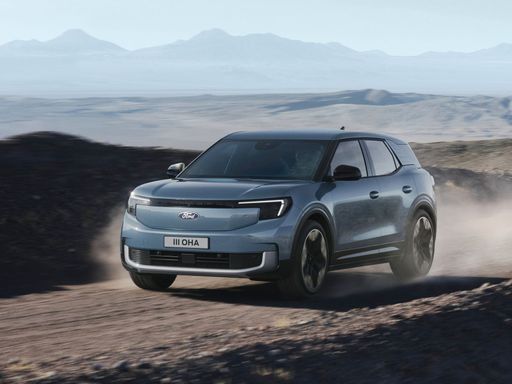
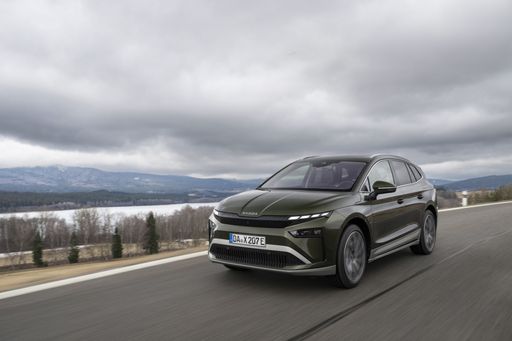
The Ford Explorer EV and the Skoda Enyaq offer two very different answers to the same brief: a roomy, long‑range electric SUV for families and commuters. The Explorer EV invites a more engaged, driver‑focused experience with strong assistance tech and clever interior storage, while the Skoda Enyaq aims squarely at comfort, quiet and outright cargo practicality. This comparison looks beyond badges and specs to how each car actually feels when you climb in, load luggage, and drive for hours. If you care more about steering feel and tech that reduces stress behind the wheel, you’ll notice one tendency; if you prioritise serene long runs and “fit‑everything” practicality, the other will pull ahead.
Explorer EV

Character and driving feel: engaged vs relaxed

The Ford Explorer EV drives with a firmer, more controlled demeanor — steering is sharper and the body roll is held in check, so cornering feels purposeful rather than vague. The Skoda Enyaq trades that immediacy for a softer, more neutral steering and brake feel that emphasises stability over excitement, which makes it easy to live with but uninspiring for those who enjoy driving. On rough surfaces the Explorer’s tauter setup exposes bumps more readily, whereas the Enyaq smooths them out and cushions occupants. Those who want a confident, communicative SUV will lean toward the Explorer EV; buyers after a calm, indifferent cruiser will favour the Enyaq.

Enyaq

Comfort and long‑distance behaviour: noise and seats matter

On long motorway runs the Skoda Enyaq is the archetypal calm cruiser — exceptional cabin quietness and compliant suspension make hours behind the wheel feel effortless. The Ford Explorer EV is unusually hushed at speed too, but its firmer suspension and slightly firmer seats mean you notice road imperfections sooner, even if the overall ambience remains composed. The Explorer’s driver aids and steering precision reduce stress on long drives, while the Enyaq’s plush ride and broader seat comfort reward passengers who prefer softness over sportiness. If motorway serenity and seat comfort top your list, the Enyaq is the better match; if you want crisp handling without sacrificing too much refinement, the Explorer EV balances those priorities.

Explorer EV

Practicality and cabin usability: luggage, storage and day‑to‑day sense

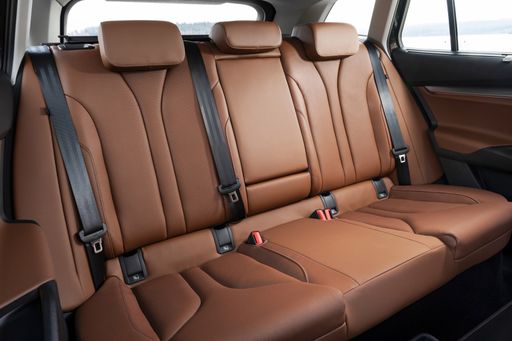
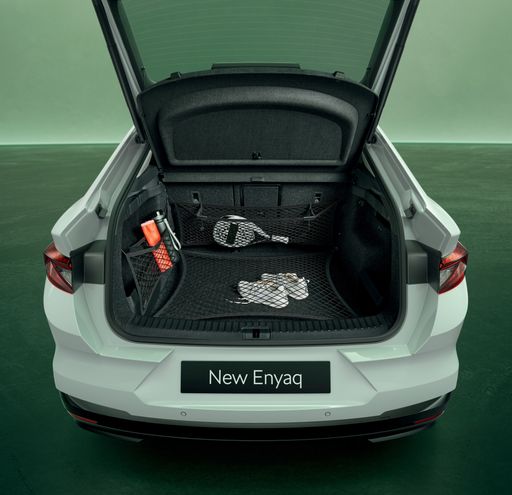
When it comes to carrying people and stuff the Skoda Enyaq tends to feel more practical: its boot is squarer and easier to pack for family trips, so suitcases and boxes fit without awkward stacking. The Ford Explorer EV compensates with a clever interior — abundant, well-thought‑out stowage and useful compartments that make daily organisation simpler — but its rear cargo area is noticeably less generous. Both lack a front luggage compartment, so rear cargo capacity and clever interior pockets become the deciding factors for families. If weekend‑away capacity and effortless packing matter most, the Enyaq is the pragmatic choice; if you prize everyday usability and clever storage layouts, the Explorer EV earns its keep.

Enyaq

City friendliness and daily usability: turning circles, visibility and controls

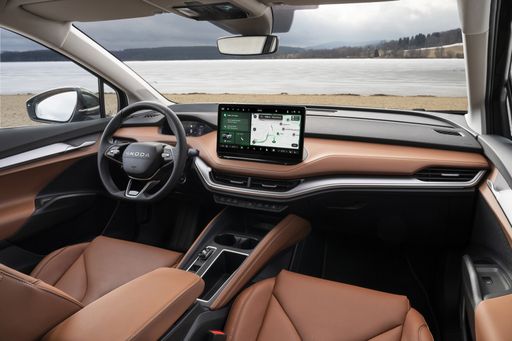
In town the Skoda Enyaq feels surprisingly nimble for its size: the RWD variants have a tight turning circle and an easy, predictable steering weight that makes parking and lane changes low‑stress. The Ford Explorer EV’s compact length helps in tight spaces and its parking aids are strong, but its overall width and larger mirrors make squeezed garages and narrow car parks more challenging. Both cabins press modern touchscreen interfaces into service, yet the Explorer’s haptic sliders and touch‑heavy layout provoke more complaints about usability than the Enyaq’s simpler, button‑light ergonomics. For city dwellers who value fuss‑free manoeuvring and straightforward controls, the Enyaq nudges ahead; for drivers who want advanced driver assistance to ease daily traffic, the Explorer EV delivers a clearer benefit.

Explorer EV

Who should choose which: buyer fit and trade‑offs before the numbers

The decision between the Ford Explorer EV and the Skoda Enyaq really comes down to what you value most: the Explorer EV suits buyers who want a livelier steering feel, comprehensive driver aids and smart interior organisation, even if that means a firmer ride and a smaller boot. The Skoda Enyaq is aimed at those who prioritise cabin quietness, maximum luggage space and cushioning comfort for long family trips, accepting a softer, less engaging drive in return. Think of the Explorer EV as the more driver‑centric, tech‑assisted family SUV and the Enyaq as the calm, practical long‑distance carrier. Below you’ll find the technical comparison section that breaks down how those real‑world differences translate into range, charging behaviour and usable cargo space.

Here’s where it gets real: The technical differences in detail

Enyaq

Costs and Efficiency:

Looking at overall running costs, both models reveal some interesting differences in everyday economy.

Ford Explorer EV is barely cheaper – starting at 34,200 £ , while the Skoda Enyaq costs 36,800 £ . That’s a price difference of around 2,648 £.

In terms of energy consumption, the Ford Explorer EV is only slightly more efficient: consuming 14.6 kWh/100km compared to 14.9 kWh/100km for the Skoda Enyaq. That’s a difference of about 0.3 kWh/100km.

As for electric range, the Ford Explorer EV offers barely more range – reaching up to 602 km, about 13 km more than the Skoda Enyaq.

Explorer EV

Engine and Performance:

Under the bonnet, it becomes clear which model is tuned for sportiness and which one takes the lead when you hit the accelerator.

Both models deliver identical power – 340 HP each.

When accelerating from 0 to 100 km/h, the Ford Explorer EV is very slightly quicker – completing the sprint in 5.3 s, while the Skoda Enyaq takes 5.4 s. That’s about 0.1 s quicker.

Both models offer the same torque – 679 Nm.

Enyaq

Space and Everyday Use:

Whether family car or daily driver – which one offers more room, flexibility and comfort?

Both vehicles offer seating for 5 people.

In terms of curb weight, Ford Explorer EV is very slightly lighter – 1,996 kg compared to 2,074 kg. The difference is around 78 kg.

Looking at boot space, the Skoda Enyaq offers moderately more boot space – 585 L compared to 472 L. That’s a difference of about 113 L.

When it comes to payload, the Ford Explorer EV carries slightly more – 585 kg compared to 526 kg. That’s a difference of about 59 kg.

Who wins the race in the data check?

The Ford Explorer EV is barely ahead in the objective data comparison.
This result only shows which model scores more points on paper – not which of the two cars feels right for you.

from £34,200
Explorer EV

Ford Explorer EV

  • Engine Type Electric
  • Transmission Automatic
  • Drive Type Rear-Wheel Drive, All-Wheel Drive
  • Power HP 190 - 340 HP
  • Consumption kWh/100km 14.6 - 17.3 kWh/100km
  • Electric Range 417 - 602 km
Skoda Enyaq
Ford Explorer EV

Costs and Consumption

View detailed analysis

Engine and Performance

View detailed analysis

Dimensions and Body

View detailed analysis

Skoda Enyaq

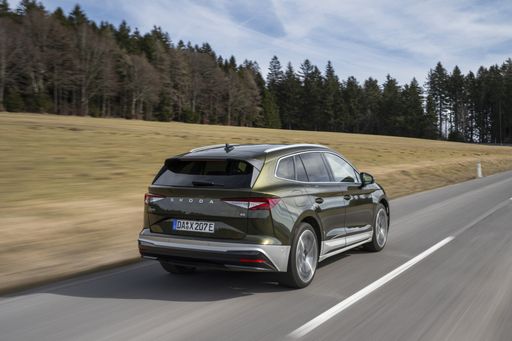
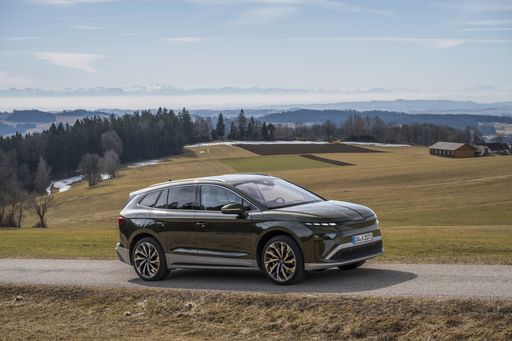
The Skoda Enyaq is a practical and well-appointed electric SUV that blends a roomy interior and everyday usability with clean, understated design. It’s a comfortable, efficient choice for buyers who want a sensible electric family car without flash, backed by solid build quality and clever practicality.

details

Ford Explorer EV

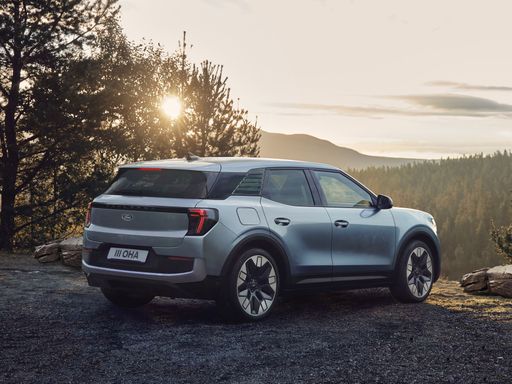
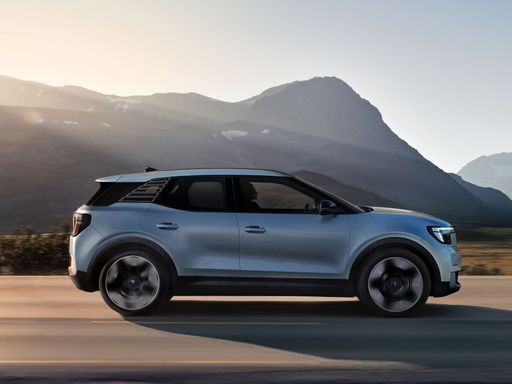
The Explorer EV brings the familiar presence and practicality of an Explorer into the electric age, offering roomy comfort and modern tech for everyday life and family trips. It feels composed on the road and serves as a straightforward, user-friendly alternative to conventional gas-powered SUVs.

details
Skoda Enyaq
Ford Explorer EV

Costs and Consumption

Price
36,800 - 52,800 £
Price
34,200 - 49,600 £
Consumption L/100km
-
Consumption L/100km
-
Consumption kWh/100km
14.9 - 15.9 kWh/100km
Consumption kWh/100km
14.6 - 17.3 kWh/100km
Electric Range
449 - 589 km
Electric Range
417 - 602 km
Battery Capacity
-
Battery Capacity
-
co2
0 g/km
co2
0 g/km
Fuel tank capacity
-
Fuel tank capacity
-

Dimensions and Body

Body Type
SUV
Body Type
SUV
Seats
5
Seats
5
Doors
-
Doors
-
Curb weight
2,074 - 2,284 kg
Curb weight
1,996 - 2,209 kg
Trunk capacity
570 - 585 L
Trunk capacity
472 L
Length
-
Length
-
Width
1,879 mm
Width
1,872 mm
Height
-
Height
-
Max trunk capacity
-
Max trunk capacity
-
Payload
449 - 526 kg
Payload
531 - 585 kg

Engine and Performance

Engine Type
Electric
Engine Type
Electric
Transmission
Automatic
Transmission
Automatic
Transmission Detail
Reduction Gearbox
Transmission Detail
Reduction Gearbox
Drive Type
Rear-Wheel Drive, All-Wheel Drive
Drive Type
Rear-Wheel Drive, All-Wheel Drive
Power HP
190 - 340 HP
Power HP
190 - 340 HP
Acceleration 0-100km/h
5.4 - 8.6 s
Acceleration 0-100km/h
5.3 - 8 s
Max Speed
-
Max Speed
-
Torque
350 - 679 Nm
Torque
350 - 679 Nm
Number of Cylinders
-
Number of Cylinders
-
Power kW
140 - 250 kW
Power kW
140 - 250 kW
Engine capacity
-
Engine capacity
-

General

Model Year
2026
Model Year
2026
CO2 Efficiency Class
A
CO2 Efficiency Class
A
Brand
Skoda
Brand
Ford
DriveDuel uses data analysis and artificial intelligence to evaluate vehicle data and create content. Content is regularly reviewed and improved. The displayed prices are estimates based on German list prices, adjusted to the respective country’s VAT. Country-specific registration taxes are not included. This information is not legally binding.