VS

Volvo EX40 vs BMW iX1 comparison

Compare performance (442 HP vs 313 HP), boot space and price (42,800 £ vs 42,300 £ ) at a glance. Find out which car is the better choice for you – Volvo EX40 or BMW iX1?

Volvo EX40 vs BMW iX1: Key differences

Volvo EX40

5 (1 Reviews)
rate
  • clearly more power
  • moderately more electric range
  • markedly quicker 0–100 km/h

BMW iX1

4.7 (3 Reviews)
rate
  • marginally cheaper
  • slightly more efficient
  • very slightly lighter
  • moderately more trunk space

All details on performance, efficiency, range and trunk space can be found in the technical comparison below – including user reviews for both models.

EX40

Street charisma and design DNA

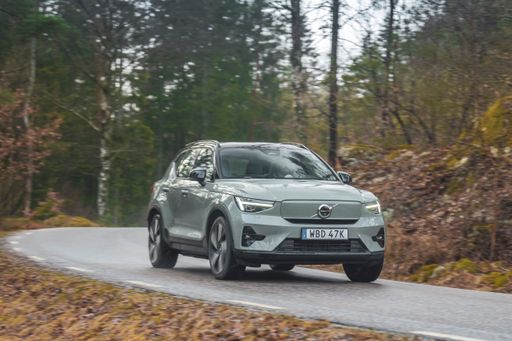
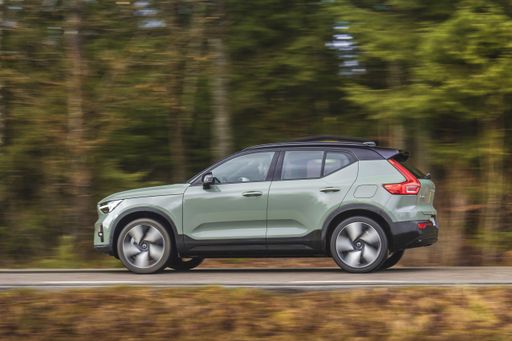
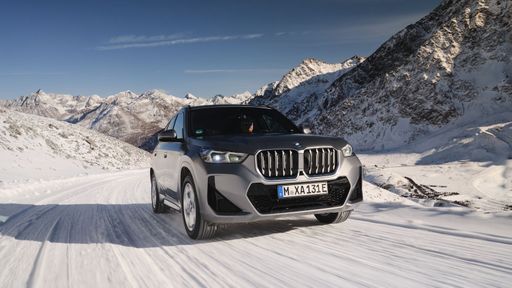
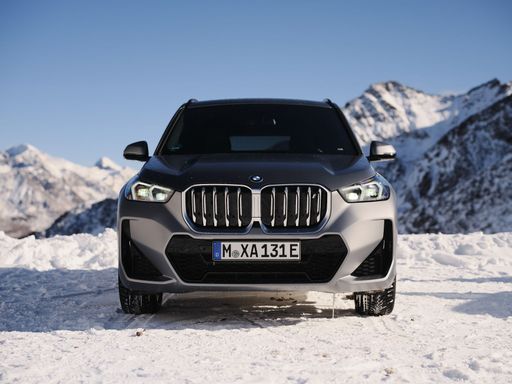
The BMW and the Volvo arrive with very different personalities: one wears sporty, angular cues that promise motion even when parked, while the other prefers a restrained, Scandinavian elegance that ages quietly and confidently. The BMW's presence leans toward athletic poise and a touch of urban suburb swagger, whereas the Volvo projects calm assurance and a premium, no-nonsense aesthetic. Both feel thoughtfully composed, but they speak to different tastes — one for drivers chasing sporty style, the other for owners who prefer timeless understatement.

iX1

Behind the wheel: playful versus poised

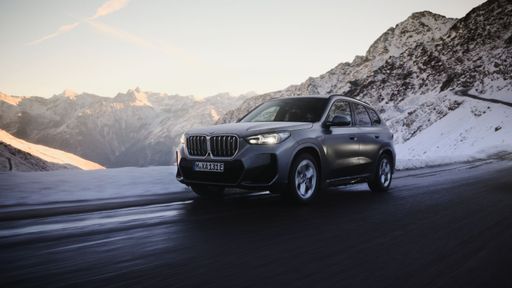
Get moving and the contrast becomes clearer: the BMW rewards steering input with a lively, engaging demeanor that puts the driver closer to the experience, making everyday routes feel a touch more fun. The Volvo, by comparison, trades a bit of that theatricality for composure and linear thrust, delivering a reassuring, planted feel that suits long stints on the motorway. Neither is harsh; one simply delights the enthusiast while the other soothes the sensible driver who wants effortless momentum.

EX40

Cabin life: driver-focused sportiness or Nordic calm?

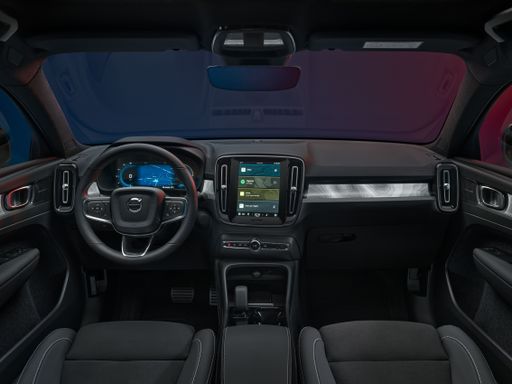
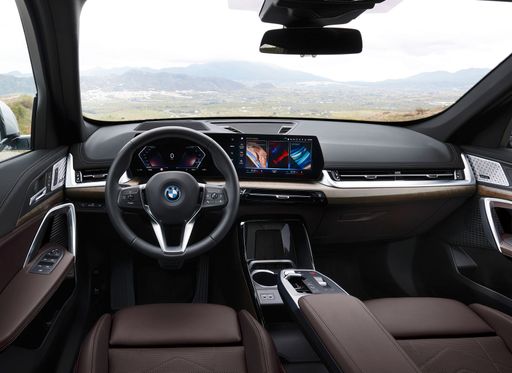
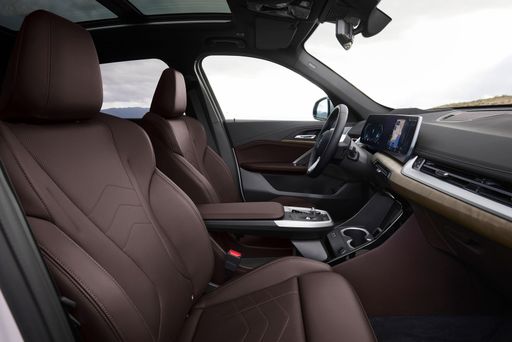
Step inside and you notice divergent philosophies — the BMW prioritizes a driver-centric layout with tactile controls and an interior that feels deliberately sporty and premium. The Volvo leans into airy, minimalist design with calming materials and seats that invite relaxation, especially for rear passengers and longer journeys. Both cabins are well-made, but they aim for different emotional responses: engagement versus serenity.

iX1

Everyday tech: intuitive simplicity or sculpted control?

The Volvo’s infotainment and connectivity feel refreshingly straightforward, built around seamless smartphone integration and a clean, modern interface that most buyers will appreciate for daily use. The BMW counters with a layered system that rewards hands-on control and keeps key functions within reach, appealing to those who like to stay connected without losing the tactile feedback. In short, Volvo favors intuitive simplicity while BMW emphasizes sculpted control, and your preference will come down to whether you like screens or knobs.

EX40

Practicalities that matter: packing, parenting and peace of mind

When it comes to day-to-day chores — hauling shopping, wrangling child seats or coping with wet sports gear — both cars handle the basics sensibly, but they prioritize different strengths. The BMW tends to be a touch more flexible for urban routines and tight parking, while the Volvo offers a reassuring blend of safety-minded features and long-distance composure that eases ownership stress. Either way, each car is a pragmatic choice; it’s a question of which practical priorities you value most.

iX1

Which driver will love which car?

If you’re a commuter who enjoys a more involved steering feel and a cockpit that highlights the driver, the BMW will likely put a smile on your face; if you’re a family-focused buyer or a regular long-distance traveler who prizes calm, comfortable refinement and uncomplicated tech, the Volvo will feel like a natural fit. Both are honest, grown-up alternatives in the compact electric segment, each with its own charm and compromises — keep reading, because the DriveDuel Champion will be revealed afterwards.

Here’s where it gets real: The technical differences in detail

EX40

Costs and Efficiency:

Price and efficiency are key factors when choosing a car – and this is often where the real differences emerge.

BMW iX1 is marginally cheaper – starting at 42,300 £ , while the Volvo EX40 costs 42,800 £ . That’s a price difference of around 506 £.

In terms of energy consumption, the BMW iX1 is slightly more efficient: consuming 14.3 kWh/100km compared to 16.6 kWh/100km for the Volvo EX40. That’s a difference of about 2.3 kWh/100km.

As for electric range, the Volvo EX40 offers moderately more range – reaching up to 576 km, about 62 km more than the BMW iX1.

iX1

Engine and Performance:

Under the bonnet, it becomes clear which model is tuned for sportiness and which one takes the lead when you hit the accelerator.

When it comes to engine power, the Volvo EX40 offers clearly more power – delivering 442 HP compared to 313 HP. That’s roughly 129 HP more horsepower.

When accelerating from 0 to 100 km/h, the Volvo EX40 is markedly quicker – completing the sprint in 4.6 s, while the BMW iX1 takes 5.6 s. That’s about 1 s quicker.

There’s also a difference in torque: the Volvo EX40 delivers clearly more torque with 670 Nm compared to 494 Nm. That’s about 176 Nm more.

EX40

Space and Everyday Use:

Cabin size, boot volume and payload all play a role in everyday practicality. Here, comfort and flexibility make the difference.

Both vehicles offer seating for 5 people.

In terms of curb weight, BMW iX1 is very slightly lighter – 1,940 kg compared to 2,040 kg. The difference is around 100 kg.

Looking at boot space, the BMW iX1 offers moderately more boot space – 490 L compared to 410 L. That’s a difference of about 80 L.

When it comes to payload, the BMW iX1 carries barely more – 495 kg compared to 480 kg. That’s a difference of about 15 kg.

Who wins the race in the data check?

The Volvo EX40 holds a decisive overall lead in the objective data comparison.
This result only shows which model scores more points on paper – not which of the two cars feels right for you.

from £42,800
EX40

Volvo EX40

  • Engine Type : Electric
  • Transmission : Automatic
  • Drive Type : Rear-Wheel Drive, All-Wheel Drive
  • Power HP : 238 - 442 HP
  • Consumption kWh/100km : 16.6 - 17.6 kWh/100km
  • Electric Range : 480 - 576 km
Volvo EX40
BMW iX1

Costs and Consumption

View detailed analysis

Engine and Performance

View detailed analysis

Dimensions and Body

View detailed analysis

Volvo EX40

The Volvo EX40 wraps Scandinavian calm and clever practicality into a compact electric package that feels both premium and refreshingly uncomplicated. It's the grown-up answer to flashier rivals — a safe, comfy, and city-friendly EV with thoughtful tech that makes everyday driving quietly satisfying.

details

BMW iX1

The BMW iX1 wraps BMW's electric ambition into a compact SUV package that feels unexpectedly premium, with sharp handling and a crisp, modern cabin that keeps the driver in charge. It's ideal for buyers who want a stylish, quiet daily driver with useful practicality and tech-savvy touches — plus enough character to make the commute feel less like a chore and more like a short joyride.

details
Volvo EX40
BMW iX1

Costs and Consumption

Price
42,800 - 58,200 £
Price
42,300 - 55,200 £
Consumption L/100km
-
Consumption L/100km
-
Consumption kWh/100km
16.6 - 17.6 kWh/100km
Consumption kWh/100km
14.3 - 15.7 kWh/100km
Electric Range
480 - 576 km
Electric Range
466 - 514 km
Battery Capacity
67 - 79 kWh
Battery Capacity
-
co2
0 g/km
co2
0 g/km
Fuel tank capacity
-
Fuel tank capacity
-

Dimensions and Body

Body Type
SUV
Body Type
SUV
Seats
5
Seats
5
Doors
5
Doors
-
Curb weight
2,040 - 2,170 kg
Curb weight
1,940 - 2,085 kg
Trunk capacity
410 L
Trunk capacity
490 L
Length
4,440 mm
Length
-
Width
1,863 mm
Width
1,845 mm
Height
1,647 mm
Height
-
Max trunk capacity
1,400 L
Max trunk capacity
-
Payload
430 - 480 kg
Payload
495 kg

Engine and Performance

Engine Type
Electric
Engine Type
Electric
Transmission
Automatic
Transmission
Automatic
Transmission Detail
Reduction Gearbox
Transmission Detail
Reduction Gearbox
Drive Type
Rear-Wheel Drive, All-Wheel Drive
Drive Type
Front-Wheel Drive, All-Wheel Drive
Power HP
238 - 442 HP
Power HP
204 - 313 HP
Acceleration 0-100km/h
4.6 - 7.3 s
Acceleration 0-100km/h
5.6 - 8.6 s
Max Speed
180 km/h
Max Speed
-
Torque
420 - 670 Nm
Torque
250 - 494 Nm
Number of Cylinders
-
Number of Cylinders
-
Power kW
175 - 325 kW
Power kW
150 - 230 kW
Engine capacity
-
Engine capacity
-

General

Model Year
2,024
Model Year
2,026
CO2 Efficiency Class
A
CO2 Efficiency Class
A
Brand
Volvo
Brand
BMW
DriveDuel uses data analysis and artificial intelligence to evaluate vehicle data and create content. Content is regularly reviewed and improved. The displayed prices are estimates based on German list prices, adjusted to the respective country’s VAT. Country-specific registration taxes are not included. This information is not legally binding.