VS

Volvo EX40 vs ZEEKR 7X comparison

Compare performance (442 HP vs 646 HP), boot space and price (42,800 £ vs 45,400 £ ) at a glance. Find out which car is the better choice for you – Volvo EX40 or ZEEKR 7X?

Volvo EX40 vs ZEEKR 7X: Key differences

Volvo EX40

5 (1 Reviews)
rate
  • very slightly cheaper
  • marginally more efficient
  • slightly lighter

ZEEKR 7X

5 (3 Reviews)
rate
  • clearly more power
  • barely more electric range
  • visibly quicker 0–100 km/h
  • visibly more trunk space

All details on performance, efficiency, range and trunk space can be found in the technical comparison below – including user reviews for both models.

EX40

Volvo EX40 VS ZEEKR 7X — a head-to-head for shoppers weighing compact Scandinavian calm against a roomier, tech-forward contender

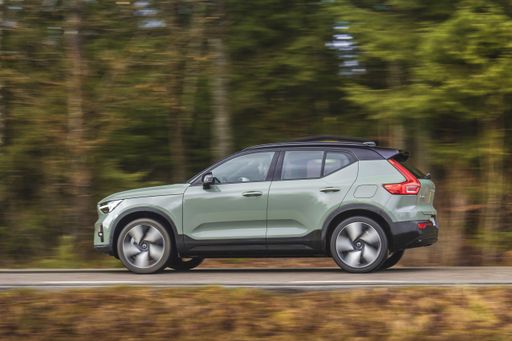
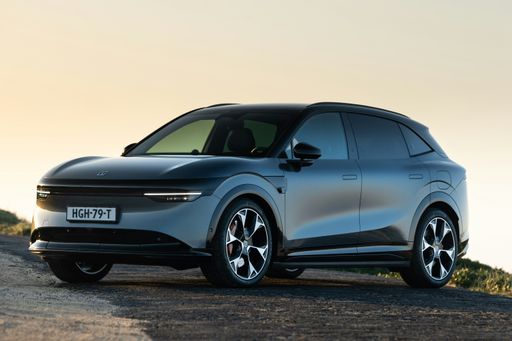
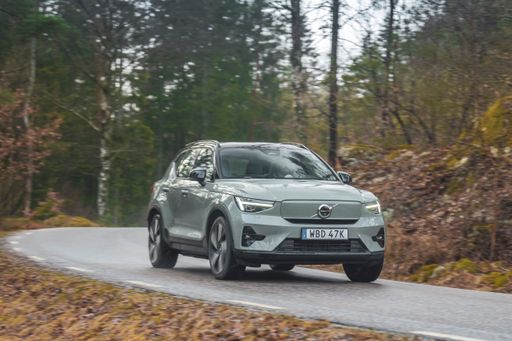
If you’ve typed “Volvo EX40 VS ZEEKR 7X” into a search bar, you’re looking for a straight-up comparison of two very different takes on the modern electric SUV. The compact, tidy presence of the Volvo EX40 faces off with the more substantial, gadget-rich character of the ZEEKR 7X, so right away this is less about identical parts and more about personality and priorities. Think of the EX40 as restrained Scandinavian design translated into an urban-friendly package, while the ZEEKR 7X arrives with louder styling and a “look-at-me” tech personality. This page frames the contrasts so you can decide which direction — practical calm or bold utility — fits your daily life and image.
7X

Two very different vibes: understatement versus theatrical tech

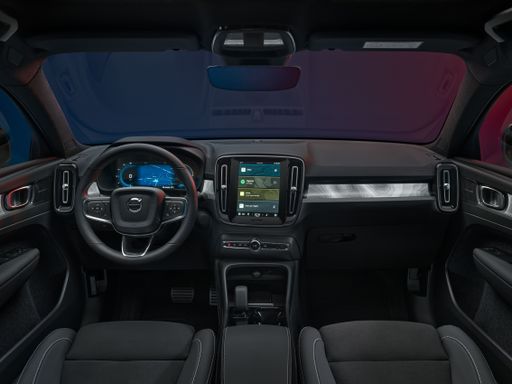
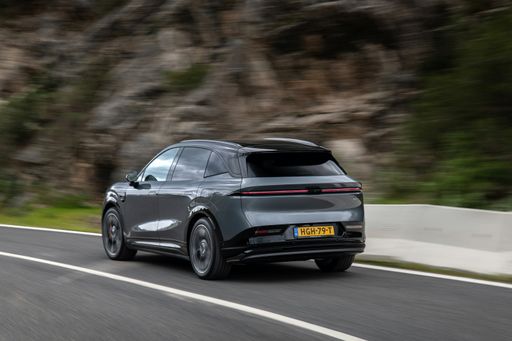
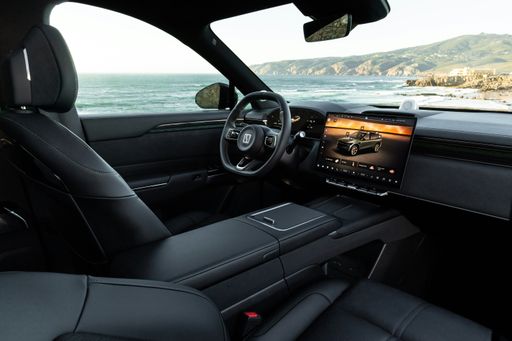
The Volvo EX40 sells calm — clean lines, soft-touch materials and a cabin that aims to soothe the commute rather than amplify it, while the ZEEKR 7X plays a flashier hand with a more extroverted interior and tech-first attitude that feels younger and more dramatic. On the road the EX40 tends to present a composed, confidence-in-comfort persona, whereas the ZEEKR 7X feels more eager, almost theatrical in its responses and presence. That contrast isn’t just styling — it’s the emotional story each car tells its owner every time they walk up to it. If you want subtlety, the EX40 whispers; if you want to be seen and stimulated, the ZEEKR 7X shouts.

EX40

Everyday life: nimble city runs versus roomy practicality

In real-world daily use the Volvo EX40 plays to the city-dweller and the calm long-distance cruiser — easy to place in a tight parking spot and designed to feel less fatiguing over hours behind the wheel. The ZEEKR 7X, meanwhile, makes its case with noticeably more space and a bigger cargo mindset, which shows when you’re packing for a weekend away or ferrying awkward loads. You’ll notice the EX40’s lighter-footed manners in stop-start traffic, while the ZEEKR 7X rewards people who prioritize passenger room and a more planted motorway feel. Families who need luggage flexibility or buyers who haul often will lean toward the ZEEKR, whereas single commuters and calm-cruise fans will find the EX40 more user-friendly day-to-day.

7X

Buy it because of what it says about you

Choosing the Volvo EX40 is a statement of quiet good taste — safety-conscious, averse to flash, someone who prefers substance wrapped in restraint. Opting for the ZEEKR 7X signals you like leading-edge gadgets, a bolder aesthetic and don’t mind drawing a bit of attention while enjoying that extra flexibility. Both cars offer a modern EV experience, but one suits the driver who wants to blend in with confidence and comfort, the other suits someone who wants their car to be a visible extension of a tech-forward lifestyle. Your justification will be personal: calm competence with the EX40 or expressive capability with the ZEEKR 7X.

EX40

Who the EX40 suits best

If you lean toward rational purchasing — prioritizing efficiency, predictable ownership and a composed driving experience — the Volvo EX40 fits the bill better than the flashier alternatives in this class. It’s the kind of choice that comforts commuters, weekend escape artists and anyone who values a serene cabin over headline-grabbing performance figures. Compared to the ZEEKR 7X, the EX40 feels like a more domesticated companion for daily life: tidy, efficient and easy to live with. For buyers who put calm comfort and sensible packaging at the top of the list, the EX40 will likely check more boxes.

7X

Who the ZEEKR 7X really courts (and why to still consider the EX40)

The ZEEKR 7X will attract buyers who want cutting-edge tech, a stronger road presence and that sense of “next-gen” driving flair — people who care about image and want roomy flexibility without stepping up to a full-size SUV. It’s a great fit for tech-minded drivers and those who want their car to feel like a high-spec gadget on wheels, while still being practical for family life. That said, don't forget the Volvo EX40 when you value serenity, lower fuss and a more understated luxury — the EX40 remains a compelling counterpoint to ZEEKR’s bravado. Read on into the data section to see where the numbers reinforce those trade-offs and help you match the car to your priorities.

Here’s where it gets real: The technical differences in detail

EX40

Costs and Efficiency:

When it comes to price and running costs, the biggest differences usually appear. This is often where you see which car fits your budget better in the long run.

Volvo EX40 is very slightly cheaper – starting at 42,800 £ , while the ZEEKR 7X costs 45,400 £ . That’s a price difference of around 2,572 £.

In terms of energy consumption, the Volvo EX40 is marginally more efficient: consuming 16.6 kWh/100km compared to 17.7 kWh/100km for the ZEEKR 7X. That’s a difference of about 1.1 kWh/100km.

As for electric range, the ZEEKR 7X offers barely more range – reaching up to 615 km, about 39 km more than the Volvo EX40.

7X

Engine and Performance:

Power, torque and acceleration are the classic benchmarks for car enthusiasts – and here, some clear differences start to show.

When it comes to engine power, the ZEEKR 7X offers clearly more power – delivering 646 HP compared to 442 HP. That’s roughly 204 HP more horsepower.

When accelerating from 0 to 100 km/h, the ZEEKR 7X is visibly quicker – completing the sprint in 3.8 s, while the Volvo EX40 takes 4.6 s. That’s about 0.8 s quicker.

Looking at top speed, the ZEEKR 7X is slightly faster – reaching 210 km/h, while the Volvo EX40 tops out at 180 km/h. The difference is around 30 km/h.

There’s also a difference in torque: the ZEEKR 7X delivers only slightly more torque with 710 Nm compared to 670 Nm. That’s about 40 Nm more.

EX40

Space and Everyday Use:

Cabin size, boot volume and payload all play a role in everyday practicality. Here, comfort and flexibility make the difference.

Both vehicles offer seating for 5 people.

In terms of curb weight, Volvo EX40 is slightly lighter – 2,040 kg compared to 2,395 kg. The difference is around 355 kg.

Looking at boot space, the ZEEKR 7X offers visibly more boot space – 539 L compared to 410 L. That’s a difference of about 129 L.

When it comes to payload, the ZEEKR 7X carries marginally more – 485 kg compared to 480 kg. That’s a difference of about 5 kg.

Who wins the race in the data check?

The ZEEKR 7X is decisively ahead in the objective data comparison.
This result only shows which model scores more points on paper – not which of the two cars feels right for you.

from £45,400
7X

ZEEKR 7X

  • Engine Type : Electric
  • Transmission : Automatic
  • Drive Type : Rear-Wheel Drive, All-Wheel Drive
  • Power HP : 421 - 646 HP
  • Consumption kWh/100km : 17.7 - 19.9 kWh/100km
  • Electric Range : 480 - 615 km
Volvo EX40
ZEEKR 7X

Costs and Consumption

View detailed analysis

Engine and Performance

View detailed analysis

Dimensions and Body

View detailed analysis

Volvo EX40

The Volvo EX40 wraps Scandinavian calm and clever practicality into a compact electric package that feels both premium and refreshingly uncomplicated. It's the grown-up answer to flashier rivals — a safe, comfy, and city-friendly EV with thoughtful tech that makes everyday driving quietly satisfying.

details

ZEEKR 7X

The ZEEKR 7X is a striking entry into the electric vehicle market, blending sleek aesthetics with a promise of cutting-edge technology. Its design exudes modern luxury while offering advanced features tailored for tech-savvy drivers. Positioned as a competitor in the premium electric segment, the 7X aims to deliver a dynamic driving experience alongside eco-friendly credentials.

details
Volvo EX40
ZEEKR 7X

Costs and Consumption

Price
42,800 - 58,200 £
Price
45,400 - 54,000 £
Consumption L/100km
-
Consumption L/100km
-
Consumption kWh/100km
16.6 - 17.6 kWh/100km
Consumption kWh/100km
17.7 - 19.9 kWh/100km
Electric Range
480 - 576 km
Electric Range
480 - 615 km
Battery Capacity
67 - 79 kWh
Battery Capacity
-
co2
0 g/km
co2
0 g/km
Fuel tank capacity
-
Fuel tank capacity
-

Dimensions and Body

Body Type
SUV
Body Type
SUV
Seats
5
Seats
5
Doors
5
Doors
5
Curb weight
2,040 - 2,170 kg
Curb weight
2,395 - 2,535 kg
Trunk capacity
410 L
Trunk capacity
539 L
Length
4,440 mm
Length
4,787 mm
Width
1,863 mm
Width
1,930 mm
Height
1,647 mm
Height
1,650 mm
Max trunk capacity
1,400 L
Max trunk capacity
-
Payload
430 - 480 kg
Payload
455 - 485 kg

Engine and Performance

Engine Type
Electric
Engine Type
Electric
Transmission
Automatic
Transmission
Automatic
Transmission Detail
Reduction Gearbox
Transmission Detail
Reduction Gearbox
Drive Type
Rear-Wheel Drive, All-Wheel Drive
Drive Type
Rear-Wheel Drive, All-Wheel Drive
Power HP
238 - 442 HP
Power HP
421 - 646 HP
Acceleration 0-100km/h
4.6 - 7.3 s
Acceleration 0-100km/h
3.8 - 6 s
Max Speed
180 km/h
Max Speed
210 km/h
Torque
420 - 670 Nm
Torque
440 - 710 Nm
Number of Cylinders
-
Number of Cylinders
-
Power kW
175 - 325 kW
Power kW
310 - 475 kW
Engine capacity
-
Engine capacity
-

General

Model Year
2,024
Model Year
2,025
CO2 Efficiency Class
A
CO2 Efficiency Class
A
Brand
Volvo
Brand
ZEEKR
DriveDuel uses data analysis and artificial intelligence to evaluate vehicle data and create content. Content is regularly reviewed and improved. The displayed prices are estimates based on German list prices, adjusted to the respective country’s VAT. Country-specific registration taxes are not included. This information is not legally binding.