VS

Volvo EX60 vs Skoda Enyaq comparison

Compare performance (680 HP vs 340 HP), boot space and price (54,000 £ vs 41,900 £ ) at a glance. Find out which car is the better choice for you – Volvo EX60 or Skoda Enyaq?

Volvo EX60 vs Skoda Enyaq: Key differences

Volvo EX60

  • considerably more power
  • very slightly more efficient
  • noticeably more electric range
  • markedly quicker 0–100 km/h
details

Skoda Enyaq

4.5 (4 Reviews)
rate
  • clearly cheaper
  • very slightly lighter
  • moderately more trunk space
details

All details on performance, efficiency, range and trunk space can be found in the technical comparison below – including user reviews for both models.

By Achim Sedelmaier

EX60

Head-to-head: Two Electric SUVs in One Ring

Skoda Enyaq VS Volvo EX60 puts a pragmatic Czech challenger up against a chic Swedish contender, and the first sentence tells you this is an electric SUV comparison you didn’t come to skim. The Skoda Enyaq arrives with an aura of sensible engineering and everyday friendliness, while the Volvo EX60 trades on presence, polish and gadgetry. We’ll focus on how each car feels in daily life — the user-friendliness, perceived comfort and the sort of owners they naturally suit. Read on if you want to know which of these two SUVs will fit your routine rather than just your wishlist.
Enyaq

Character Check: Understated vs. Statement

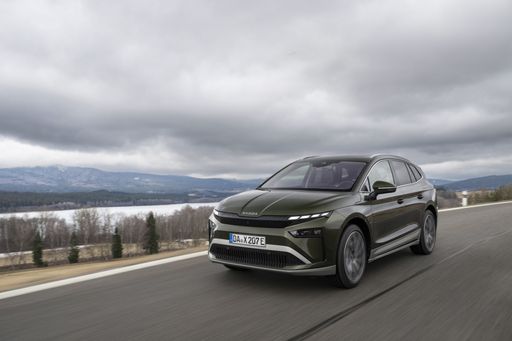
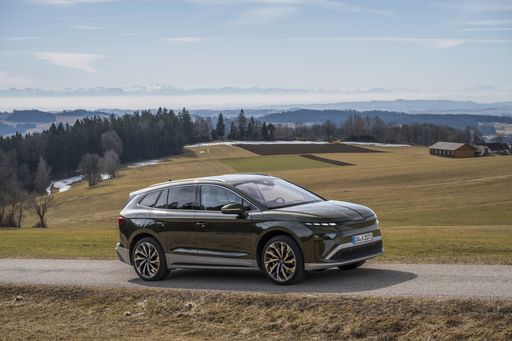
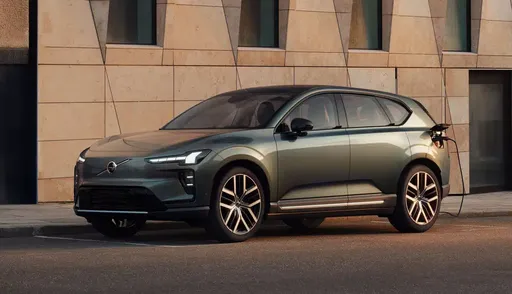
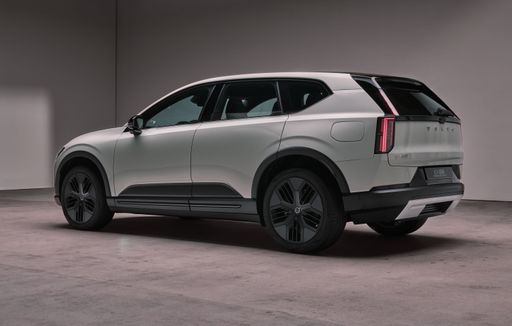
The Skoda Enyaq wears practicality like a warm coat — quiet, sensible and unshowy — while the Volvo EX60 is carved to make an impression the moment it pulls up. The Enyaq’s personality leans toward calm competence; it doesn’t shout but it does what you ask without fuss. The Volvo EX60, by contrast, broadcasts refinement and a hint of athletic intent; its cabin and chassis feel aimed at a more composed, premium experience. Put simply, one is content to blend into family life and the other is out to be noticed every time you park.

EX60

Daily Life Reality: School runs to motorway miles

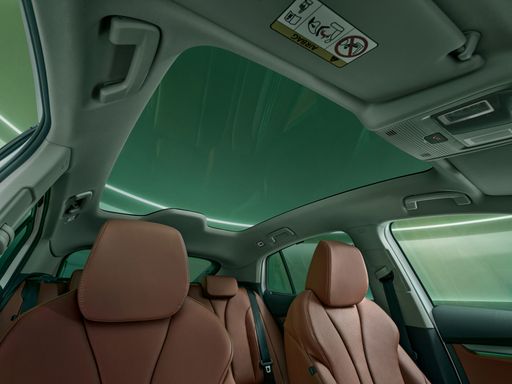
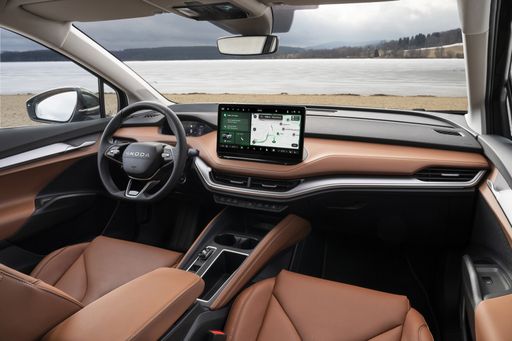
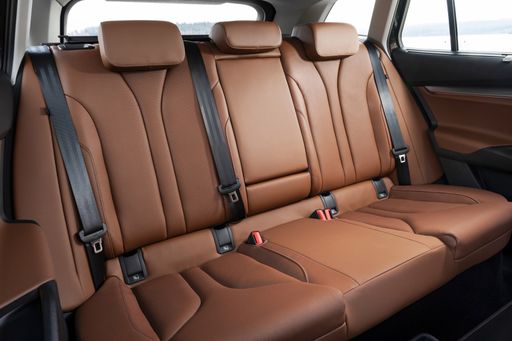
When it comes to day-to-day use, the Skoda Enyaq makes the practical wins obvious: easy access, clear controls and packaging that respects boots, kids and groceries more than ego. The Volvo EX60 answers with a more composed ride and a cabin that soothes long stints at speed, making motorway miles feel less like work and more like a quiet commute. City chores and tight parking favour the Enyaq’s straightforward ergonomics, while the EX60 rewards longer trips and drivers who want a more polished cocoon. Both are comfortable, but they aim at different sorts of daily routines — one pragmatic, one more indulgent.

Enyaq

Why You’ll Tell Yourself You Bought It

Pick the Skoda Enyaq and you’ll justify it with sensible talk about value, practicality and honest engineering; it’s the car people buy when logic wins over lust. Choose the Volvo EX60 and your reasoning skews toward craft, tech cred and a sleeker badge — this is the purchase that feels like an upgrade in lifestyle as much as transport. The Enyaq’s defense is: “it does the job and does it well”; the EX60’s argument is: “it elevates the experience and turns heads while doing so.” Either case is defensible — it comes down to whether you want an appliance or an accessory with your commute.

Who the Skoda Seduces

The Skoda Enyaq will appeal to buyers who prioritise clear thinking over theatrics — think commuters who want proven everyday usability and families who need flexibility without fuss. It suits the Rational buyer who wants value and the Pragmatist who needs space, simple tech and a no-surprise ownership experience. The Enyaq is the kind of car that makes sense when you plan your life around real needs rather than showroom lust. Mentioning the Volvo EX60 here simply highlights that you’re trading some polish for a lot of practicality.

Who the Volvo Allures — and What That Means for the Enyaq

The Volvo EX60 calls to drivers who care about premium impression and advanced comfort — buyers who want their car to feel like a small upgrade to their lifestyle and to reward longer journeys with quiet refinement. It’s a natural fit for Design/Brand and Comfort-minded buyers who place a premium on cabin ambience, modern systems and a more elevated road presence. If you’re tempted by the EX60’s polish, remember the Skoda Enyaq will remind you why simplicity and space still win on grocery days and school runs. Scroll down to the data-packed section below to see how these impressions line up with the hard figures.

Video - Skoda Enyaq

Video Thumbnail

Here’s where it gets real: The technical differences in detail

EX60

Costs and Efficiency:

Price and efficiency are often the first things buyers look at. Here it becomes clear which model has the long-term edge – whether at the pump, the plug, or in purchase price.

Skoda Enyaq is clearly cheaper – starting at 41,900 £ , while the Volvo EX60 costs 54,000 £ . That’s a price difference of around 12,077 £.

In terms of energy consumption, the Volvo EX60 is very slightly more efficient: consuming 14.7 kWh/100km compared to 14.8 kWh/100km for the Skoda Enyaq. That’s a difference of about 0.1 kWh/100km.

As for electric range, the Volvo EX60 offers noticeably more range – reaching up to 810 km, about 223 km more than the Skoda Enyaq.

Enyaq

Engine and Performance:

Under the bonnet, it becomes clear which model is tuned for sportiness and which one takes the lead when you hit the accelerator.

When it comes to engine power, the Volvo EX60 offers considerably more power – delivering 680 HP compared to 340 HP. That’s roughly 340 HP more horsepower.

When accelerating from 0 to 100 km/h, the Volvo EX60 is markedly quicker – completing the sprint in 3.9 s, while the Skoda Enyaq takes 5.4 s. That’s about 1.5 s quicker.

There’s also a difference in torque: the Volvo EX60 delivers a bit more torque with 790 Nm compared to 679 Nm. That’s about 111 Nm more.

EX60

Space and Everyday Use:

Cabin size, boot volume and payload all play a role in everyday practicality. Here, comfort and flexibility make the difference.

Both vehicles offer seating for 5 people.

In terms of curb weight, Skoda Enyaq is very slightly lighter – 2,179 kg compared to 2,190 kg. The difference is around 11 kg.

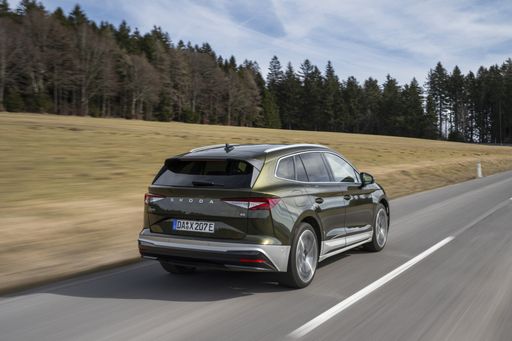
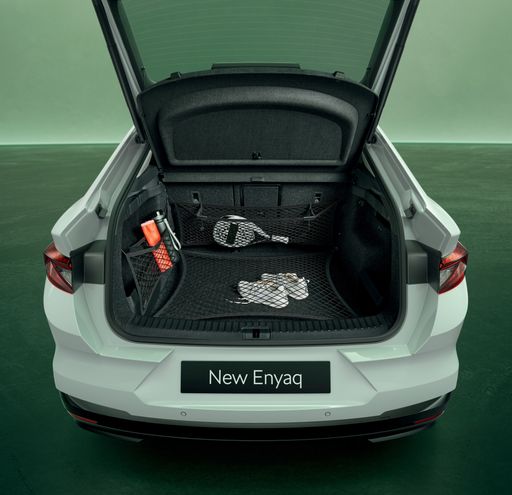
Looking at boot space, the Skoda Enyaq offers moderately more boot space – 585 L compared to 523 L. That’s a difference of about 62 L.

When it comes to payload, the Skoda Enyaq carries barely more – 489 kg compared to 460 kg. That’s a difference of about 29 kg.

Who wins the race in the data check?

The Volvo EX60 holds a decisive overall lead in the objective data comparison.
This result only shows which model scores more points on paper – not which of the two cars feels right for you.

from £54,000
EX60

Volvo EX60

  • Engine Type : Electric
  • Transmission : Automatic
  • Drive Type : Rear-Wheel Drive, All-Wheel Drive
  • Power HP : 374 - 680 HP
  • Consumption kWh/100km : 14.7 - 16.2 kWh/100km
  • Electric Range : 620 - 810 km
Volvo EX60
Skoda Enyaq

Costs and Consumption

View detailed analysis

Engine and Performance

View detailed analysis

Dimensions and Body

View detailed analysis

Volvo EX60

The Volvo EX60 arrives as a sleek, family-friendly electric SUV that blends Scandinavian restraint with a surprising dash of personality, wrapping a calm, premium cabin around practical everyday usability. It’s aimed at buyers who prize safety and comfort but still want a car that rewards an enthusiastic drive, proving that sensible can be quietly fun.

details

Skoda Enyaq

The Skoda Enyaq is a reassuring, family‑first electric SUV that trades sporting drama for exceptional quiet, roomy rear seats and a genuinely practical boot. It’s remarkably easy to live with thanks to sensible controls and steady fast charging, though the touchscreen‑led infotainment can be sluggish and driving enthusiasts looking for sharp handling should look elsewhere.

details
Volvo EX60
Skoda Enyaq

Costs and Consumption

Price
54,000 - 70,100 £
Price
41,900 - 52,200 £
Consumption L/100km
-
Consumption L/100km
-
Consumption kWh/100km
14.7 - 16.2 kWh/100km
Consumption kWh/100km
14.8 - 16.2 kWh/100km
Electric Range
620 - 810 km
Electric Range
538 - 587 km
Battery Capacity
-
Battery Capacity
-
co2
0 g/km
co2
0 g/km
Fuel tank capacity
-
Fuel tank capacity
-

Dimensions and Body

Body Type
SUV
Body Type
SUV
Seats
5
Seats
5
Doors
-
Doors
-
Curb weight
2,190 - 2,425 kg
Curb weight
2,179 - 2,293 kg
Trunk capacity
523 L
Trunk capacity
570 - 585 L
Length
-
Length
-
Width
1,899 mm
Width
1,879 mm
Height
-
Height
-
Max trunk capacity
-
Max trunk capacity
-
Payload
435 - 460 kg
Payload
443 - 489 kg

Engine and Performance

Engine Type
Electric
Engine Type
Electric
Transmission
Automatic
Transmission
Automatic
Transmission Detail
Reduction Gearbox
Transmission Detail
Reduction Gearbox
Drive Type
Rear-Wheel Drive, All-Wheel Drive
Drive Type
Rear-Wheel Drive, All-Wheel Drive
Power HP
374 - 680 HP
Power HP
286 - 340 HP
Acceleration 0-100km/h
3.9 - 5.9 s
Acceleration 0-100km/h
5.4 - 6.7 s
Max Speed
-
Max Speed
-
Torque
480 - 790 Nm
Torque
545 - 679 Nm
Number of Cylinders
-
Number of Cylinders
-
Power kW
275 - 500 kW
Power kW
210 - 250 kW
Engine capacity
-
Engine capacity
-

General

Model Year
2,026 - 2,027
Model Year
2025
CO2 Efficiency Class
A
CO2 Efficiency Class
A
Brand
Volvo
Brand
Skoda
DriveDuel uses data analysis and artificial intelligence to evaluate vehicle data and create content. Content is regularly reviewed and improved. The displayed prices are estimates based on German list prices, adjusted to the respective country’s VAT. Country-specific registration taxes are not included. This information is not legally binding.