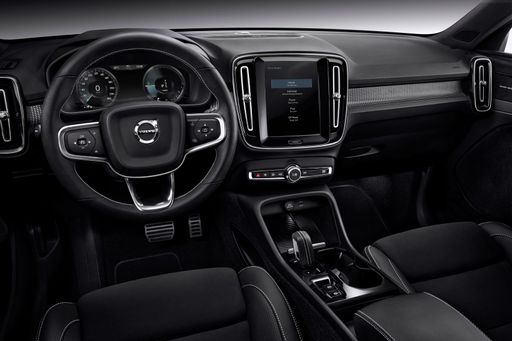
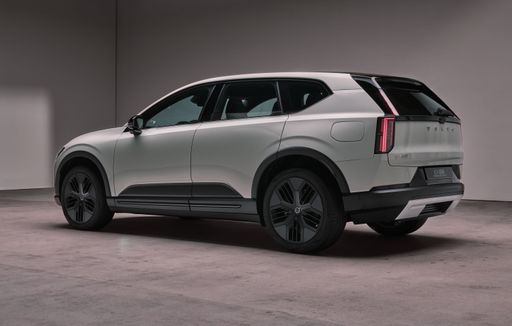
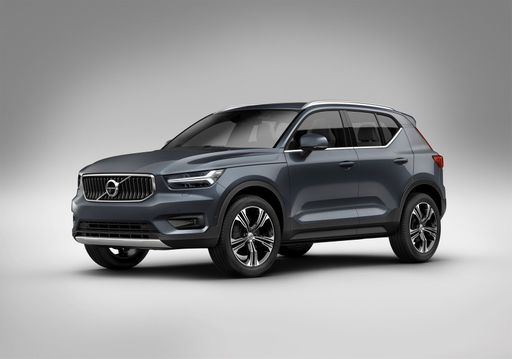
VS

Volvo XC40 vs Volvo EX60 comparison

Compare performance (197 HP vs 680 HP), boot space and price (41,900 £ vs 54,000 £ ) at a glance. Find out which car is the better choice for you – Volvo XC40 or Volvo EX60?

Volvo XC40 vs Volvo EX60: Key differences

Volvo XC40

5 (6 Reviews)
rate
  • clearly cheaper
  • visibly lighter
details

Volvo EX60

  • considerably more power
  • clearly quicker 0–100 km/h
details

All details on performance, efficiency, range and trunk space can be found in the technical comparison below – including user reviews for both models.

By Achim Sedelmaier

XC40

Volvo XC40 vs Volvo EX60 — a concise introduction

Both Volvo XC40 and Volvo EX60 aim at buyers who value Scandinavian calm, safety and a premium cabin, but they approach that goal from different directions. The XC40 is the compact, practical side of that promise — easier to park, lighter on its feet and focused on clever day‑to‑day usability. The EX60 brings a more modern, electric interpretation: a quieter, more spacious interior with richer connectivity and longer-distance ambition. This comparison looks past spec sheets to the real consequences for buyers: how each car feels in traffic, on the motorway, around children and over long drives. Read on to understand the trade-offs that matter most before you dive into the technical figures and charging/range details below.
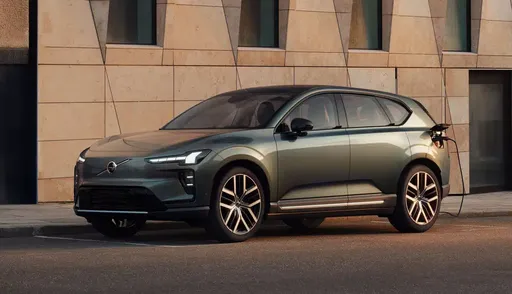
EX60

Character and driving feel

The Volvo XC40 drives like a compact, composed companion: light steering, predictable reactions and a relaxed chassis that favours comfort over corner-carving enthusiasm. The Volvo EX60, by contrast, feels more settled and grown-up on the move — heavier in its responses but exceptionally quiet and effortless, with instant electric torque that makes merging and overtaking feel trivial. That difference creates a clear trade-off: the XC40 rewards city manoeuvres and easy, low-effort driving, while the EX60 delivers a smoother, more luxurious sense of momentum on open roads. Drivers who enjoy a lively, nimble feel will find the XC40 more engaging in urban settings; those who prioritise serene progress and rapid on-demand pull will prefer the EX60. Both are calm rather than sporty, but they get there via different engineering choices.

XC40

Comfort and long‑distance behaviour

On long trips the Volvo EX60 shows its strengths: superior noise insulation, an adaptive suspension that soaks up motorway imperfections and a roomy rear bench that turns hours on the road into something close to a living room experience. The Volvo XC40 remains comfortable too, particularly in its softer suspension settings, but larger wheels and a lighter architecture make it a touch firmer and noisier at higher speeds. Practical differences become meaningful on journeys — the EX60’s electric architecture and fast‑charging capability reduce range anxiety and break time, while the XC40’s fuel setup means more frequent stops and a different refuelling rhythm. For motorway miles and rear-seat comfort the EX60 is the calmer choice; for predictable, efficient everyday highway commuting the XC40 still performs very well. Either way, your travel pattern — short city hops versus extended trips — should guide which feel matters most.

EX60

Cabin, tech and perceived quality

The Volvo EX60 comes across as the more technologically forward cabin: a large, modern centre display, Google integration with new voice tech and continued support for Apple connectivity, plus tactile controls where they count. The Volvo XC40 feels more compact and functionally laid-out — high-quality materials and clever storage solutions are abundant, but the infotainment and screen real estate are less showy and require a steeper learning curve for some controls. Perceived quality is similar in core areas — both feel premium — but the EX60’s tech stack and brighter, more spacious interior lend it a newer, slightly higher-end impression. If you want the latest connected features and a modern interface, the EX60 rewards you; if you prefer straightforward ergonomics and practical nooks, the XC40 keeps things sensible and familiar. Both cabins are well made, but they appeal to different tastes: gadget-forward versus utility-first.

XC40

Practicality, family use and city friendliness

For tight city streets and frequent parking the Volvo XC40’s compact dimensions and light steering make it the easier daily driver; its clever boot floor, door pockets and family-friendly touches are designed around real-world loading and unloading. The Volvo EX60 stretches that practicality into true rear-seat generosity — flat floor, excellent legroom and a frunk add flexible storage options — but its wider footprint and slightly restricted over‑shoulder sightlines mean you’ll lean on cameras and sensors more when parking. Families who prioritise rear passenger comfort and long-distance versatility will appreciate the EX60’s space, while small families or urban buyers who prize manoeuvrability and clever storage will prefer the XC40. In short: XC40 is the pragmatic city-and-school-run SUV, EX60 is the more spacious family cruiser that trades compactness for comfort.

Buyer fit and the trade-offs that will decide your choice

Choose the Volvo XC40 if you want a compact, practical premium SUV that’s easy to live with day-to-day, offers clever storage solutions and keeps entry price and operating habits straightforward. Opt for the Volvo EX60 if your priorities are serene long-distance travel, a roomy rear seat, the latest in‑car connectivity and the convenience of rapid electric charging for motorway stretches. The real decision is whether you value compact usability and lower running complexity (XC40) or you prioritise electric range, rear comfort and tech (EX60). Below this editorial comparison you’ll find the technical section that breaks down range, charging, power delivery and price so you can match those buyer priorities to hard numbers.

Here’s where it gets real: The technical differences in detail

XC40

Costs and Efficiency:

Looking at overall running costs, both models reveal some interesting differences in everyday economy.

Volvo XC40 is clearly cheaper – starting at 41,900 £ , while the Volvo EX60 costs 54,000 £ . That’s a price difference of around 12,086 £.

EX60

Engine and Performance:

Power, torque and acceleration say a lot about how a car feels on the road. This is where you see which model delivers more driving dynamics.

When it comes to engine power, the Volvo EX60 offers considerably more power – delivering 680 HP compared to 197 HP. That’s roughly 483 HP more horsepower.

When accelerating from 0 to 100 km/h, the Volvo EX60 is clearly quicker – completing the sprint in 3.9 s, while the Volvo XC40 takes 7.6 s. That’s about 3.7 s quicker.

There’s also a difference in torque: the Volvo EX60 delivers clearly more torque with 790 Nm compared to 300 Nm. That’s about 490 Nm more.

XC40

Space and Everyday Use:

Whether family car or daily driver – which one offers more room, flexibility and comfort?

Both vehicles offer seating for 5 people.

In terms of curb weight, Volvo XC40 is visibly lighter – 1,688 kg compared to 2,190 kg. The difference is around 502 kg.

When it comes to payload, the Volvo XC40 carries slightly more – 532 kg compared to 460 kg. That’s a difference of about 72 kg.

Who wins the race in the data check?

The Volvo EX60 is clearly superior overall in the objective data comparison.
This result only shows which model scores more points on paper – not which of the two cars feels right for you.

from £54,000
EX60

Volvo EX60

  • Engine Type : Electric
  • Transmission : Automatic
  • Drive Type : Rear-Wheel Drive, All-Wheel Drive
  • Power HP : 374 - 680 HP
  • Consumption kWh/100km : 14.7 - 16.2 kWh/100km
  • Electric Range : 620 - 810 km
Volvo XC40
Volvo EX60

Costs and Consumption

View detailed analysis

Engine and Performance

View detailed analysis

Dimensions and Body

View detailed analysis

Volvo XC40

The Volvo XC40 blends Scandinavian design with practical versatility, offering a compact luxury crossover that feels composed and easy to live with. It’s refined and focused on safety with a high-quality interior, making it a smart choice for daily city driving and weekend escapes.

details

Volvo EX60

The Volvo EX60 is a stylish electric SUV that pairs Scandinavian minimalism with a high-quality, comfortable cabin and an intuitive infotainment experience. It delivers a composed, refined ride with advanced safety and driver-assist systems that make daily driving relaxed and confident.

details
Volvo XC40
Volvo EX60

Costs and Consumption

Price
41,900 - 46,100 £
Price
54,000 - 70,100 £
Consumption L/100km
6.5 L/100km
Consumption L/100km
-
Consumption kWh/100km
-
Consumption kWh/100km
14.7 - 16.2 kWh/100km
Electric Range
-
Electric Range
620 - 810 km
Battery Capacity
-
Battery Capacity
-
co2
148 g/km
co2
0 g/km
Fuel tank capacity
-
Fuel tank capacity
-

Dimensions and Body

Body Type
SUV
Body Type
SUV
Seats
5
Seats
5
Doors
-
Doors
-
Curb weight
1,688 kg
Curb weight
2,190 - 2,425 kg
Trunk capacity
-
Trunk capacity
523 L
Length
-
Length
-
Width
1,863 mm
Width
1,899 mm
Height
-
Height
-
Max trunk capacity
-
Max trunk capacity
-
Payload
532 kg
Payload
435 - 460 kg

Engine and Performance

Engine Type
Petrol MHEV
Engine Type
Electric
Transmission
Automatic
Transmission
Automatic
Transmission Detail
Dual-Clutch Automatic
Transmission Detail
Reduction Gearbox
Drive Type
Front-Wheel Drive
Drive Type
Rear-Wheel Drive, All-Wheel Drive
Power HP
163 - 197 HP
Power HP
374 - 680 HP
Acceleration 0-100km/h
7.6 - 8.6 s
Acceleration 0-100km/h
3.9 - 5.9 s
Max Speed
-
Max Speed
-
Torque
265 - 300 Nm
Torque
480 - 790 Nm
Number of Cylinders
4
Number of Cylinders
-
Power kW
120 - 145 kW
Power kW
275 - 500 kW
Engine capacity
1,969 cm3
Engine capacity
-

General

Model Year
2026
Model Year
2,026 - 2,027
CO2 Efficiency Class
E
CO2 Efficiency Class
A
Brand
Volvo
Brand
Volvo
DriveDuel uses data analysis and artificial intelligence to evaluate vehicle data and create content. Content is regularly reviewed and improved. The displayed prices are estimates based on German list prices, adjusted to the respective country’s VAT. Country-specific registration taxes are not included. This information is not legally binding.