VS

Volvo XC90 vs Volvo EX60 comparison

Compare performance (406 HP vs 680 HP), boot space and price (74,300 £ vs 54,000 £ ) at a glance. Find out which car is the better choice for you – Volvo XC90 or Volvo EX60?

Volvo XC90 vs Volvo EX60: Key differences

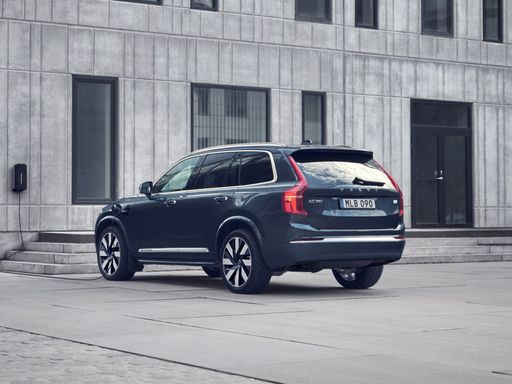
Volvo XC90

5 (2 Reviews)
rate
  • very slightly lighter
details

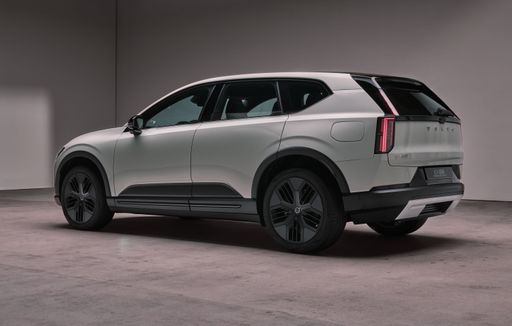
Volvo EX60

  • markedly cheaper
  • clearly more power
  • substantially more electric range
  • visibly quicker 0–100 km/h
details

All details on performance, efficiency, range and trunk space can be found in the technical comparison below – including user reviews for both models.

By Achim Sedelmaier

XC90

Overview: Volvo XC90 VS Volvo EX60 — which Volvo fits your life?

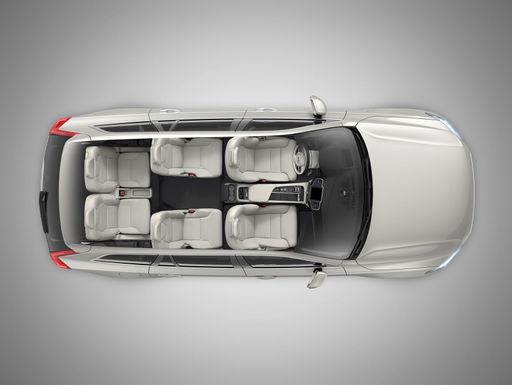
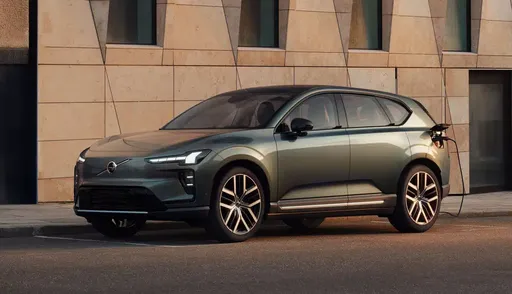
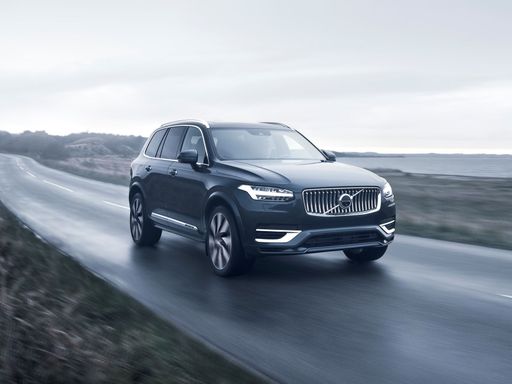
Volvo XC90 VS Volvo EX60 frames a clear choice between a traditional, seven‑seat comfort SUV and a modern, fully electric five‑seat alternative. The Volvo XC90 presents itself as the roomy, composed family flagship that prioritises space, towing and a plush long‑distance ride. The Volvo EX60 answers with electric smoothness, a very quiet cabin and up‑to‑date connectivity that shifts the experience toward tech and charging convenience. Both wear Volvo’s Scandinavian design language, but they serve different daily rhythms: one built around people and luggage, the other around silent driving and digital integration.
EX60

Driving character and on‑road manners

The Volvo XC90 is calibrated for calm rather than drama; it steers predictably and soaks up miles with a reassuring, heavy‑car steadiness. The Volvo EX60 feels sharper off the line thanks to its electric drive, and the near‑silence makes motorway cruising feel almost lounge‑like, though it leans more toward compliant comfort than sharp handling. If you enjoy spirited cornering or a taut steering feel neither car will thrill like a sports SUV, but the XC90 trades nimbleness for a more composed, towing‑capable persona while the EX60 delivers immediate thrust and quieter progress. Expect the EX60 to feel more contemporary and brisk in everyday city pulls; the XC90 rewards measured, relaxed driving and a confidence that comes from mass and stability.

XC90

Comfort and long‑distance behaviour

On long trips the Volvo XC90 wears its comfort credentials plainly: cushioned seats, generous adjustment and optional air suspension give it a true long‑haul demeanour that passengers notice after a few hours. The Volvo EX60 counters with an exceptionally quiet interior and a flat‑floor rear that keeps fatigue low for second‑row occupants; its fast‑charging capability also shortens stops on long routes. The XC90’s seven‑seat flexibility and ability to carry heavy loads or tow make it the better companion for family holidays with gear, but the EX60’s serenity and predictable electric torque make motorway stretches less tiring overall. If you rarely charge at home the XC90’s plug‑hybrid logic can feel useful; if you can charge regularly, the EX60 simplifies long‑distance planning with fewer engine compromises.

EX60

Practicality, day‑to‑day usability and family life

Practicality is where the Volvo XC90’s seven seats and high payload show real value—third‑row access and multiple seat configurations mean you can carry people and kit flexibly in one vehicle. The Volvo EX60 gives up the extra row but returns a more usable second row with a flat floor and additional storage locations, plus a front trunk that helps separate wet or dirty items from the main load. In tight urban settings the XC90’s size can be a handicap despite helpful cameras and sensors, while the EX60 remains wide but typically easier to live with thanks to sharper parking aids and better visibility on the instruments. For towing or regularly shuttling more than five people, the XC90 is the practical pick; for families who prize rear passenger comfort and cargo organisation without towing, the EX60 will feel smarter day‑to‑day.

XC90

Cabin feel, build quality and tech experience

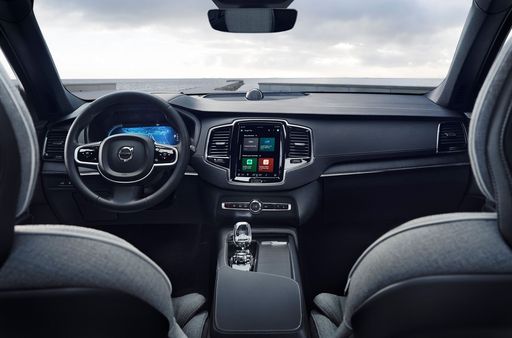
The Volvo XC90 projects a familiar Scandinavian luxury: tactile materials, a calm colour palette and an interior that still reads as premium and enduring. The Volvo EX60 leans into a more tech‑forward presentation with up‑to‑date voice services and a centralised infotainment focus that will appeal to connected buyers, and it restores some physical controls that drivers missed in newer interiors. XC90 owners will praise the tactile reassurance of the trim and the ergonomics for long drives, while EX60 buyers will value the slicker software ecosystem and quieter overall ambience. Both cabins have trade‑offs—XC90’s touch‑first climate controls need getting used to, EX60’s display layout can hide some info depending on seating position—so the choice comes down to whether you prefer traditional material quality or modern digital convenience.

Who should choose which — buyer fit and next steps

If your life needs seven seats, regular towing or the assurance of a combustion/PHEV option for mixed‑range trips, the Volvo XC90 fits those shopper priorities more naturally and keeps comfort at the centre. If you prioritise silent electric driving, rapid charging on long runs, generous rear legroom and the latest connectivity, the Volvo EX60 will be the better daily companion for most five‑seat families. Both cars aim at calm, safe, premium mobility, but the XC90 skews toward traditional family utility while the EX60 points to an electrified, tech‑centric daily routine. Read on to the technical comparison for the concrete trade‑offs in range, charging, seating count and running costs that will finalise which one suits your garage.

Here’s where it gets real: The technical differences in detail

XC90

Costs and Efficiency:

Price and efficiency are key factors when choosing a car – and this is often where the real differences emerge.

Volvo EX60 is markedly cheaper – starting at 54,000 £ , while the Volvo XC90 costs 74,300 £ . That’s a price difference of around 20,314 £.

As for electric range, the Volvo EX60 offers substantially more range – reaching up to 810 km, about 741 km more than the Volvo XC90.

EX60

Engine and Performance:

Power, torque and acceleration say a lot about how a car feels on the road. This is where you see which model delivers more driving dynamics.

When it comes to engine power, the Volvo EX60 offers clearly more power – delivering 680 HP compared to 406 HP. That’s roughly 274 HP more horsepower.

When accelerating from 0 to 100 km/h, the Volvo EX60 is visibly quicker – completing the sprint in 3.9 s, while the Volvo XC90 takes 5.4 s. That’s about 1.5 s quicker.

There’s also a difference in torque: the Volvo EX60 delivers slightly more torque with 790 Nm compared to 669 Nm. That’s about 121 Nm more.

XC90

Space and Everyday Use:

Beyond pure performance, interior space and usability matter most in daily life. This is where you see which car is more practical and versatile.

Seats: Volvo XC90 offers more seats – 7 vs 5.

In terms of curb weight, Volvo XC90 is very slightly lighter – 2,080 kg compared to 2,189 kg. The difference is around 109 kg.

When it comes to payload, the Volvo XC90 carries visibly more – 710 kg compared to 461 kg. That’s a difference of about 249 kg.

Who wins the race in the data check?

The Volvo EX60 is far ahead overall in the objective data comparison.
This result only shows which model scores more points on paper – not which of the two cars feels right for you.

from £54,000
EX60

Volvo EX60

  • Engine Type Electric
  • Transmission Automatic
  • Drive Type Rear-Wheel Drive, All-Wheel Drive
  • Power HP 374 - 680 HP
  • Consumption kWh/100km 14.9 - 16.2 kWh/100km
  • Electric Range 611 - 810 km
Volvo XC90
Volvo EX60

Costs and Consumption

View detailed analysis

Engine and Performance

View detailed analysis

Dimensions and Body

View detailed analysis

Volvo XC90

The Volvo XC90 is a serene Scandinavian SUV that mixes minimalist luxury with a composed, confidence-inspiring presence — ideal for buyers who want family practicality without sacrificing style. Inside it serves up a calm, well-crafted cabin and user-friendly tech that keeps long journeys pleasant and tantrums to a minimum, making the XC90 a smart, stylish pick for sensible drivers.

details

Volvo EX60

The Volvo EX60 is a stylish electric SUV that pairs Scandinavian minimalism with a high-quality, comfortable cabin and an intuitive infotainment experience. It delivers a composed, refined ride with advanced safety and driver-assist systems that make daily driving relaxed and confident.

details
Volvo XC90
Volvo EX60

Costs and Consumption

Price
74,300 - 84,600 £
Price
54,000 - 67,500 £
Consumption L/100km
3.4 - 8.3 L/100km
Consumption L/100km
-
Consumption kWh/100km
-
Consumption kWh/100km
14.9 - 16.2 kWh/100km
Electric Range
69 km
Electric Range
611 - 810 km
Battery Capacity
-
Battery Capacity
-
co2
71 - 188 g/km
co2
0 g/km
Fuel tank capacity
-
Fuel tank capacity
-

Dimensions and Body

Body Type
SUV
Body Type
SUV
Seats
7
Seats
5
Doors
-
Doors
-
Curb weight
2,080 - 2,350 kg
Curb weight
2,189 - 2,405 kg
Trunk capacity
-
Trunk capacity
523 L
Length
-
Length
-
Width
1,923 mm
Width
1,899 mm
Height
-
Height
-
Max trunk capacity
-
Max trunk capacity
-
Payload
600 - 710 kg
Payload
455 - 461 kg

Engine and Performance

Engine Type
Petrol MHEV, Plugin Hybrid
Engine Type
Electric
Transmission
Automatic
Transmission
Automatic
Transmission Detail
Automatic Gearbox
Transmission Detail
Reduction Gearbox
Drive Type
All-Wheel Drive
Drive Type
Rear-Wheel Drive, All-Wheel Drive
Power HP
250 - 406 HP
Power HP
374 - 680 HP
Acceleration 0-100km/h
5.4 - 7.7 s
Acceleration 0-100km/h
3.9 - 5.9 s
Max Speed
-
Max Speed
-
Torque
360 - 669 Nm
Torque
480 - 790 Nm
Number of Cylinders
4
Number of Cylinders
-
Power kW
184 - 299 kW
Power kW
275 - 500 kW
Engine capacity
1,969 cm3
Engine capacity
-

General

Model Year
2,025 - 2,026
Model Year
2,026 - 2,027
CO2 Efficiency Class
G, B
CO2 Efficiency Class
A
Brand
Volvo
Brand
Volvo
DriveDuel uses data analysis and artificial intelligence to evaluate vehicle data and create content. Content is regularly reviewed and improved. The displayed prices are estimates based on German list prices, adjusted to the respective country’s VAT. Country-specific registration taxes are not included. This information is not legally binding.