VS

VW ID.3 vs CUPRA Tavascan comparison

Compare performance (231 HP vs 340 HP), boot space and price (29,100 £ vs 45,700 £ ) at a glance. Find out which car is the better choice for you – VW ID.3 or CUPRA Tavascan?

VW ID.3 vs CUPRA Tavascan: Key differences

VW ID.3

4.8 (6 Reviews)
rate
  • substantially cheaper
  • moderately more efficient
  • moderately more electric range
  • moderately lighter
details

CUPRA Tavascan

4.4 (2 Reviews)
rate
  • visibly more power
  • visibly quicker 0–100 km/h
  • clearly more trunk space
details

All details on performance, efficiency, range and trunk space can be found in the technical comparison below – including user reviews for both models.

By Achim Sedelmaier

ID.3

An Electrifying Showdown: CUPRA Tavascan vs VW ID.3

The electric vehicle (EV) landscape is rapidly evolving, and with automakers racing to deliver innovative models, the CUPRA Tavascan and the VW ID.3 claim their respective places in this electrifying arena. Both vehicles offer unique features and cutting-edge technology, but how do they compare? Let's dive into the details.
Tavascan

Body Type and Design

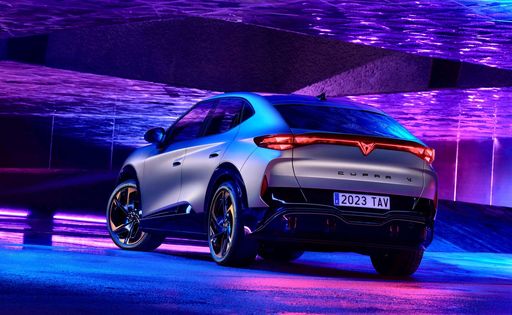
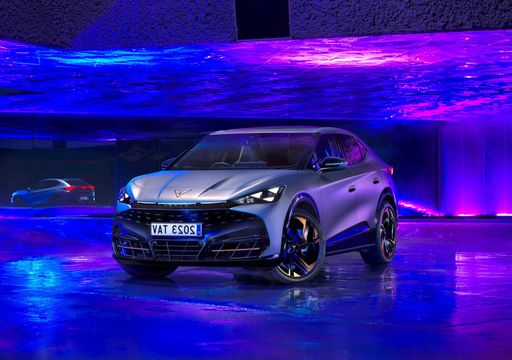
The CUPRA Tavascan is an SUV, boasting a commanding presence with its aggressive styling and muscular stance. Measuring 4644 mm in length and 1861 mm in width, it offers ample space while maintaining a sporty aesthetics that's synonymous with the CUPRA brand.

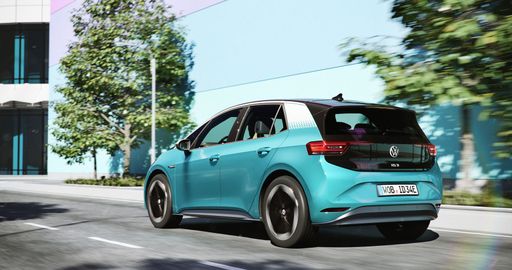
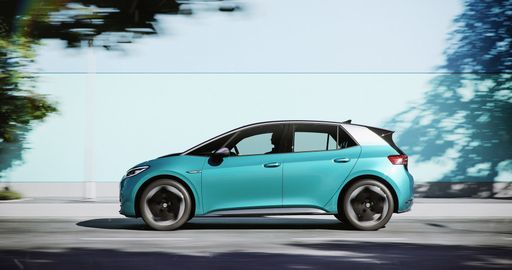
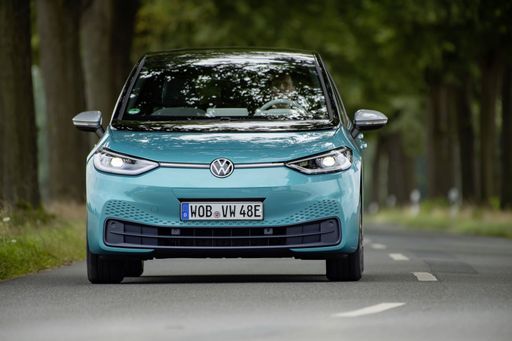
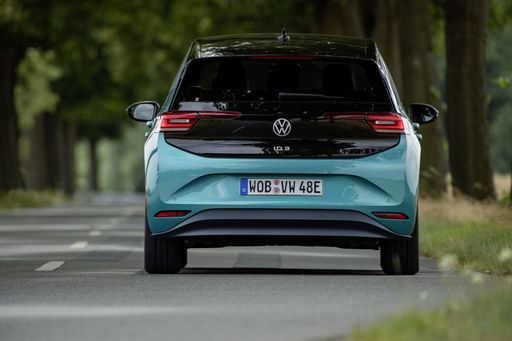
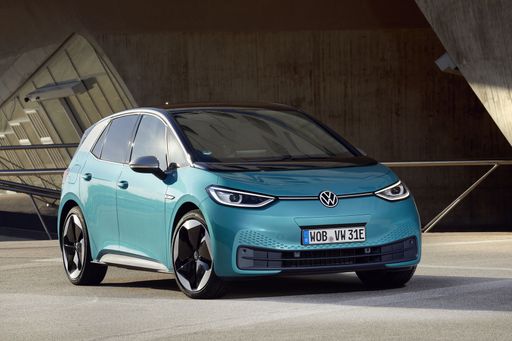
In contrast, the VW ID.3 takes on the hatchback form, prioritizing compactness and practicality for urban driving. Its dimensions are more modest, measuring 4264 mm in length and 1809 mm in width. Despite the smaller size, the ID.3's design features a minimalist approach that enhances aerodynamics while maximizing interior space.

ID.3

Performance and Powertrain

Under the hood, the CUPRA Tavascan offers impressive performance with power options ranging from 286 HP to 340 HP. With rear-wheel or all-wheel drive configurations, it achieves 0-100 km/h acceleration in as little as 5.5 seconds, making it a spirited SUV. The Tavascan also boasts a torque output of up to 679 Nm, ensuring robust performance on any terrain.

The VW ID.3, while slightly less powerful with options from 170 HP to 326 HP, still brings a compelling driving experience. The ID.3 can accelerate from 0-100 km/h in about 5.7 seconds for its most powerful variant, showcasing an agile performance. With a torque maximum of 545 Nm, it primarily operates on rear-wheel drive, which contributes to its balanced handling.

Tavascan

Electric Range and Efficiency

Range anxiety is a common concern for potential EV buyers, but both models rise to the challenge. The CUPRA Tavascan excels with an electric range of up to 569 km, powered by a 77 kWh battery. This impressive efficiency is complemented by a consumption rate of 15.1 to 16.5 kWh per 100 km, depending on the variant.

The VW ID.3 also offers strong range performance, reaching up to 604 km with its most efficient battery option. With battery capacities ranging from 52 kWh to 79 kWh and consumption rates varying between 14.5 to 15.8 kWh per 100 km, the ID.3 provides excellent efficiency across its different configurations.

ID.3

Interior Comfort and Technology

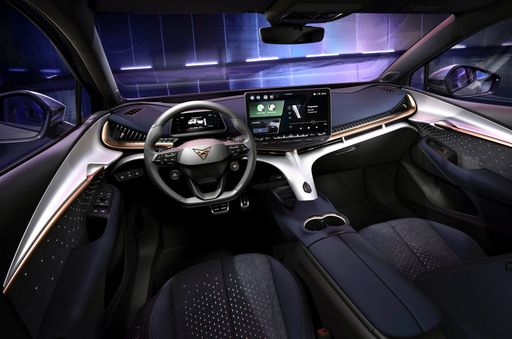
Inside the CUPRA Tavascan, the focus is on sportiness combined with luxury. With seating for five and a trunk capacity of 540 liters, it provides generous space for both passengers and cargo. The interior is equipped with modern technology features, including a digital cockpit and advanced infotainment system tailored for performance enthusiasts.

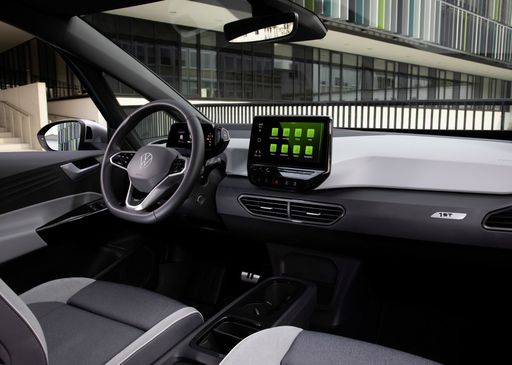
The VW ID.3, meanwhile, features a spacious interior despite its smaller footprint. It also seats five and has a trunk capacity of 385 liters. The ID.3 is packed with user-friendly technology, highlighted by its intuitive touchscreen interface and various driver-assistance features. The overall design emphasizes sustainability, with eco-friendly materials used throughout the cabin.

Tavascan

Conclusion: Which EV Reigns Supreme?

Choosing between the CUPRA Tavascan and the VW ID.3 ultimately comes down to personal preference and driving needs. The Tavascan is ideal for those seeking performance and a sporty, rugged design, while the ID.3 appeals to buyers looking for efficiency, practicality, and a modern aesthetic.

With both vehicles representing the future of electric mobility, enthusiasts are sure to be excited about what lies ahead in the world of electric cars. Whether you prefer the power-packed SUV or the nimble hatchback, the CUPRA Tavascan and VW ID.3 each offer exceptional value in the EV market.

Here’s where it gets real: The technical differences in detail

ID.3

Costs and Efficiency:

When it comes to price and running costs, the biggest differences usually appear. This is often where you see which car fits your budget better in the long run.

VW ID.3 is substantially cheaper – starting at 29,100 £ , while the CUPRA Tavascan costs 45,700 £ . That’s a price difference of around 16,582 £.

In terms of energy consumption, the VW ID.3 is moderately more efficient: consuming 13.9 kWh/100km compared to 15.9 kWh/100km for the CUPRA Tavascan. That’s a difference of about 2 kWh/100km.

As for electric range, the VW ID.3 offers moderately more range – reaching up to 629 km, about 76 km more than the CUPRA Tavascan.

Tavascan

Engine and Performance:

Power, torque and acceleration are the classic benchmarks for car enthusiasts – and here, some clear differences start to show.

When it comes to engine power, the CUPRA Tavascan offers visibly more power – delivering 340 HP compared to 231 HP. That’s roughly 109 HP more horsepower.

When accelerating from 0 to 100 km/h, the CUPRA Tavascan is visibly quicker – completing the sprint in 5.5 s, while the VW ID.3 takes 7.1 s. That’s about 1.6 s quicker.

There’s also a difference in torque: the CUPRA Tavascan delivers substantially more torque with 679 Nm compared to 350 Nm. That’s about 329 Nm more.

ID.3

Space and Everyday Use:

Beyond pure performance, interior space and usability matter most in daily life. This is where you see which car is more practical and versatile.

Both vehicles offer seating for 5 people.

In terms of curb weight, VW ID.3 is moderately lighter – 1,885 kg compared to 2,178 kg. The difference is around 293 kg.

Looking at boot space, the CUPRA Tavascan offers clearly more boot space – 540 L compared to 383 L. That’s a difference of about 157 L.

When it comes to payload, the CUPRA Tavascan carries somewhat more – 522 kg compared to 464 kg. That’s a difference of about 58 kg.

Who wins the race in the data check?

The CUPRA Tavascan stands well ahead of its rival in the objective data comparison.
This result only shows which model scores more points on paper – not which of the two cars feels right for you.

from £45,700
Tavascan

CUPRA Tavascan

  • Engine Type : Electric
  • Transmission : Automatic
  • Drive Type : Rear-Wheel Drive, All-Wheel Drive
  • Power HP : 286 - 340 HP
  • Consumption kWh/100km : 15.9 - 17.1 kWh/100km
  • Electric Range : 513 - 553 km
VW ID.3
CUPRA Tavascan

Costs and Consumption

View detailed analysis

Engine and Performance

View detailed analysis

Dimensions and Body

View detailed analysis

VW ID.3

The VW ID.3 is a crisply styled electric hatch that masks serious practicality behind a friendly, modern face, making city runs and longer trips pleasantly fuss free. For buyers seeking a sensible, well-equipped EV that doesn't take itself too seriously, the ID.3 strikes a neat balance of comfort, tech and everyday usability with a cheeky smile.

details

CUPRA Tavascan

The CUPRA Tavascan is a striking electric crossover that blends aggressive, sporty design with surprising everyday practicality, pairing a coupe-like silhouette with SUV versatility. It feels lively and engaging on the road while offering premium touches inside, making it a compelling choice for buyers who want attitude without sacrificing comfort.

details
VW ID.3
CUPRA Tavascan

Costs and Consumption

Price
29,100 - 40,800 £
Price
45,700 - 49,600 £
Consumption L/100km
-
Consumption L/100km
-
Consumption kWh/100km
13.9 - 14.4 kWh/100km
Consumption kWh/100km
15.9 - 17.1 kWh/100km
Electric Range
410 - 629 km
Electric Range
513 - 553 km
Battery Capacity
-
Battery Capacity
77 kWh
co2
0 g/km
co2
0 g/km
Fuel tank capacity
-
Fuel tank capacity
-

Dimensions and Body

Body Type
Hatchback
Body Type
SUV
Seats
5
Seats
5
Doors
-
Doors
5
Curb weight
1,885 - 1,966 kg
Curb weight
2,178 - 2,273 kg
Trunk capacity
383 L
Trunk capacity
540 L
Length
-
Length
4,644 mm
Width
1,809 mm
Width
1,861 mm
Height
-
Height
1,597 mm
Max trunk capacity
-
Max trunk capacity
-
Payload
422 - 464 kg
Payload
507 - 522 kg

Engine and Performance

Engine Type
Electric
Engine Type
Electric
Transmission
Automatic
Transmission
Automatic
Transmission Detail
Reduction Gearbox
Transmission Detail
Reduction Gearbox
Drive Type
Rear-Wheel Drive
Drive Type
Rear-Wheel Drive, All-Wheel Drive
Power HP
170 - 231 HP
Power HP
286 - 340 HP
Acceleration 0-100km/h
7.1 - 8 s
Acceleration 0-100km/h
5.5 - 6.8 s
Max Speed
-
Max Speed
180 km/h
Torque
350 Nm
Torque
545 - 679 Nm
Number of Cylinders
-
Number of Cylinders
-
Power kW
125 - 170 kW
Power kW
210 - 250 kW
Engine capacity
-
Engine capacity
-

General

Model Year
2026
Model Year
2024
CO2 Efficiency Class
A
CO2 Efficiency Class
A
Brand
VW
Brand
CUPRA
DriveDuel uses data analysis and artificial intelligence to evaluate vehicle data and create content. Content is regularly reviewed and improved. The displayed prices are estimates based on German list prices, adjusted to the respective country’s VAT. Country-specific registration taxes are not included. This information is not legally binding.