VS

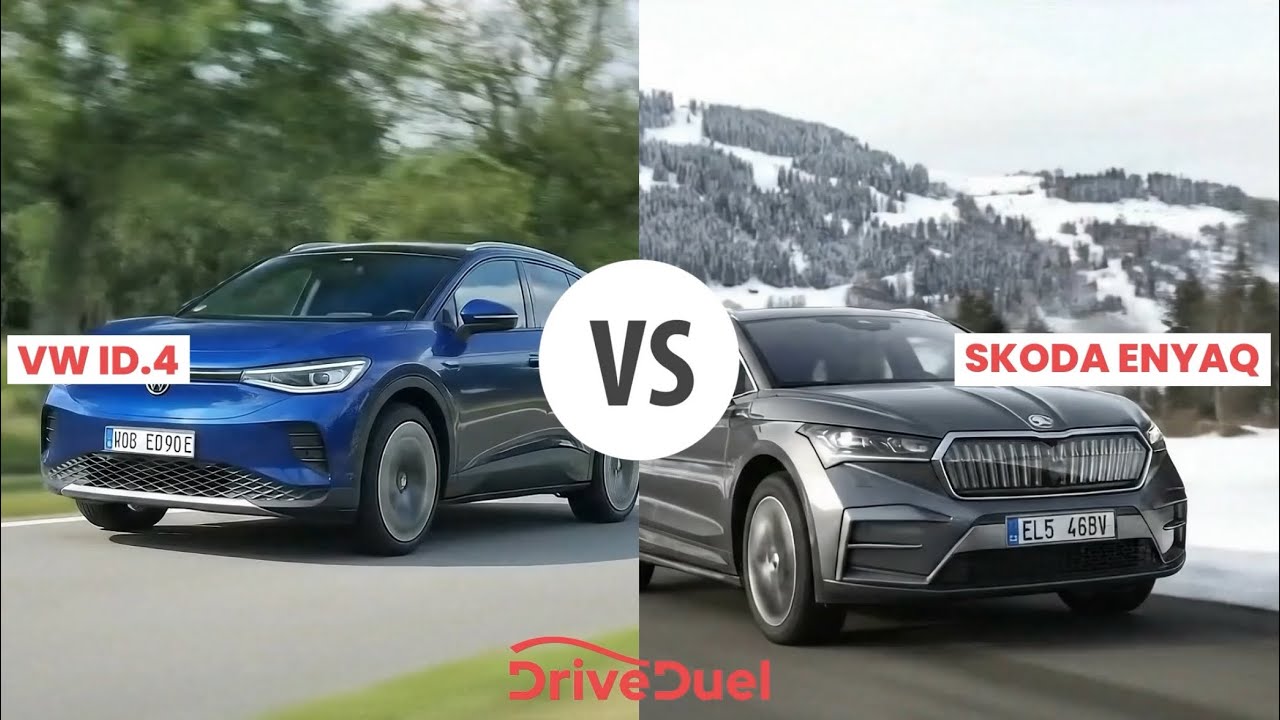
VW ID.4 vs Skoda Enyaq comparison

Compare performance (299 HP vs 340 HP), boot space and price (34,800 £ vs 36,800 £ ) at a glance. Find out which car is the better choice for you – VW ID.4 or Skoda Enyaq?

VW ID.4 vs Skoda Enyaq: Key differences

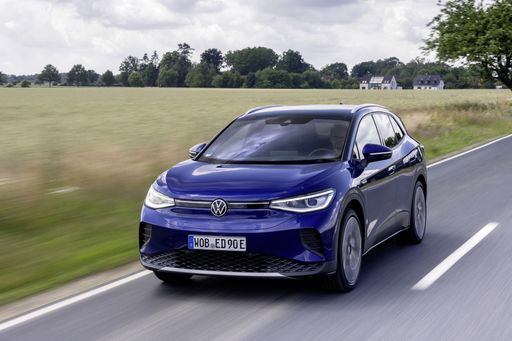
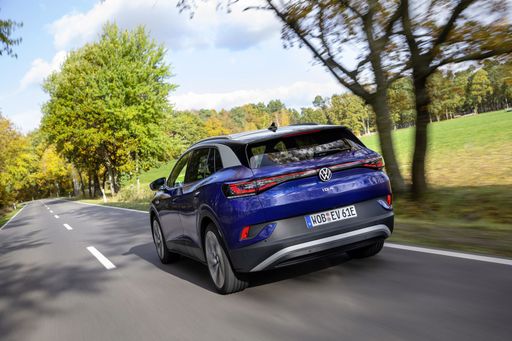
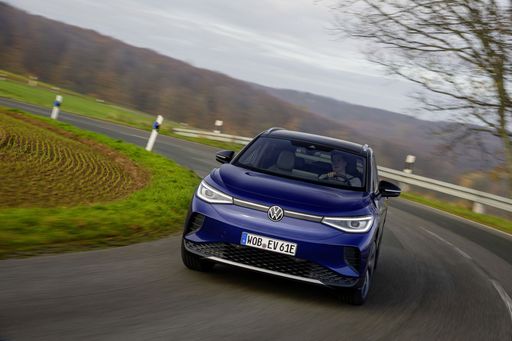
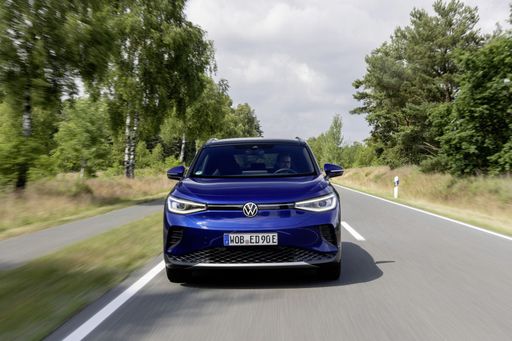
VW ID.4

4.4 (10 Reviews)
rate
  • only slightly cheaper
  • barely lighter
details

Skoda Enyaq

4.4 (6 Reviews)
rate
  • slightly more power
  • very slightly more efficient
  • very slightly more electric range
  • slightly quicker 0–100 km/h
details

All details on performance, efficiency, range and trunk space can be found in the technical comparison below – including user reviews for both models.

By Achim Sedelmaier

ID.4

Skoda Enyaq VS VW ID.4: the everyday truths behind two electric family SUVs

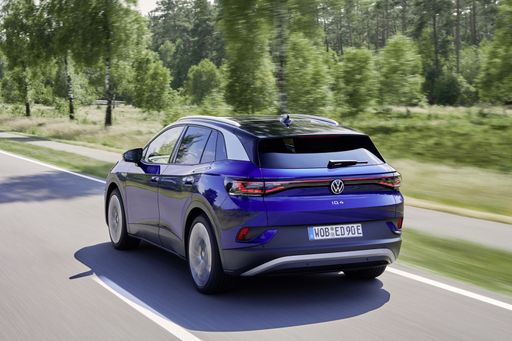
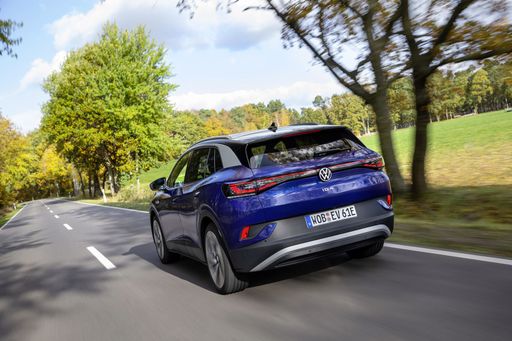
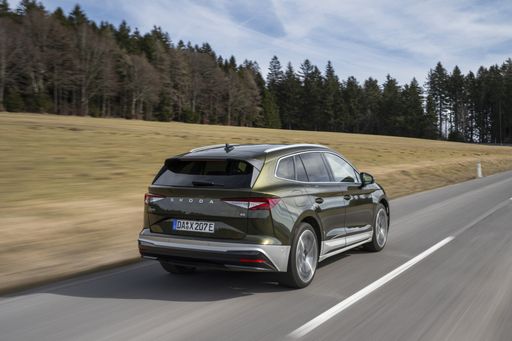
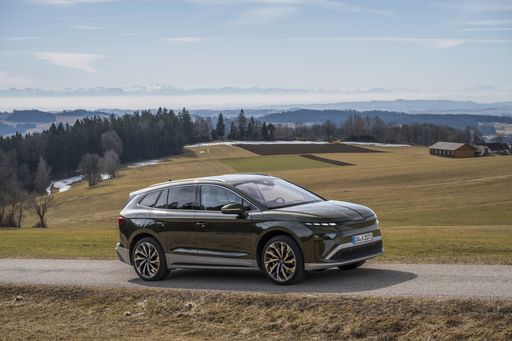
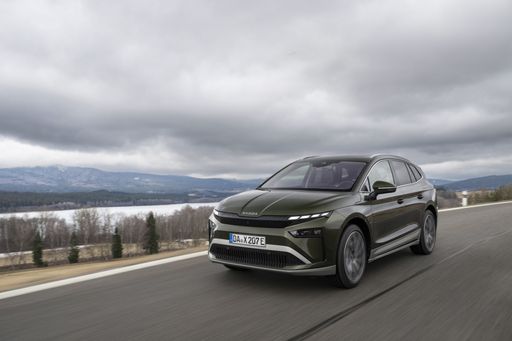
The Skoda Enyaq and VW ID.4 share a platform, but they don’t share the same character. The Skoda leans into calm, upmarket serenity, while the Volkswagen sticks to a simpler, rational brief that often comes in cheaper. In practice the Enyaq feels a touch more refined and punchier in higher trims, the ID.4 a little more no‑nonsense and budget‑friendly. Think of it as the same toolkit, arranged for two different types of buyers.
Enyaq

Cabin feel and perceived quality

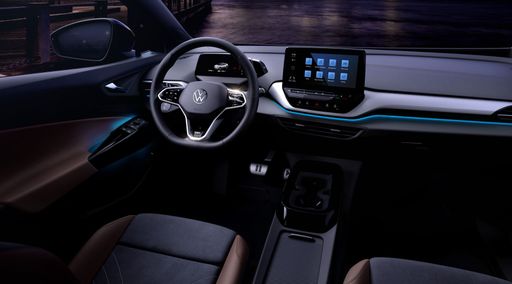
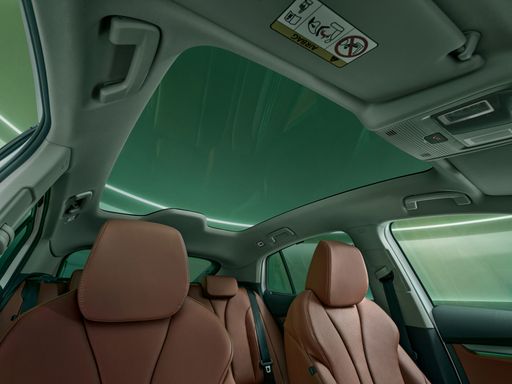
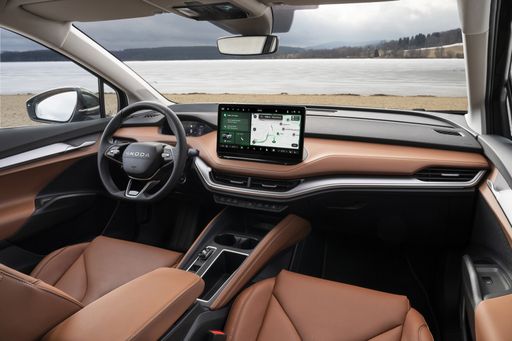
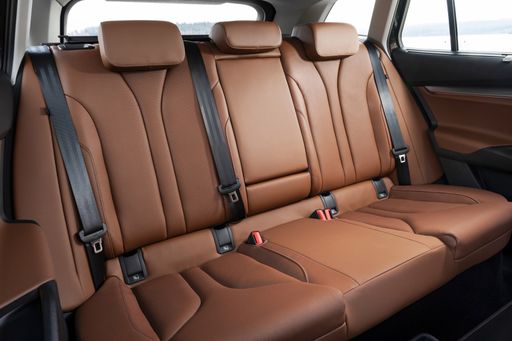
The Skoda Enyaq greets you with warmer materials, tidier trim choices and a lounge‑like calm that edges toward premium. The VW ID.4 is solid and spacious, but its harder plastics and piano‑black accents make it feel more functional than plush. Both now run faster infotainment, yet the ID.4’s touch sliders and steering‑wheel touchpads remain fussy, whereas the Enyaq’s layout feels a bit clearer even if it still lacks proper knobs. If you care how the cabin looks and sounds on a long day, the Enyaq simply feels a classier place to spend time; if you prioritise straightforward, robust vibes, the ID.4 suits that brief.

ID.4

Space and practicality for family life

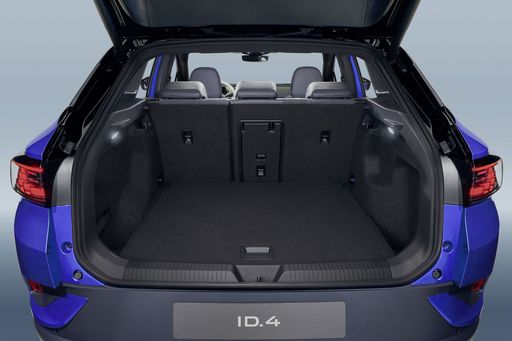
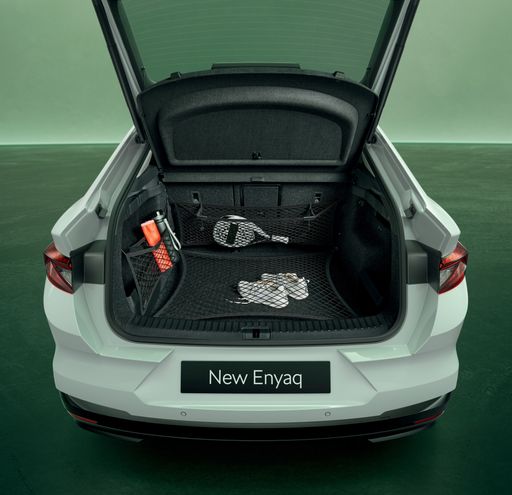
Both cars deliver generous rear legroom with a flat floor, so fitting kids and child seats is refreshingly easy. The Skoda Enyaq’s boot is square and cleverly thought out, with handy organisational touches that make weekly shops and holiday luggage simpler to manage. The VW ID.4’s load bay is also big and user‑friendly with a useful variable floor, though the backrest doesn’t fold into quite as neat a flat space. Neither offers a front storage compartment, so charging cables live under the rear floor; if you crave little usability wins around the cabin, the Skoda’s thoughtful details tip the balance.

Enyaq

Ride, refinement and long‑distance comfort

On the motorway, the Skoda Enyaq is one of the quietest and most settled electric SUVs, isolating wind and tyre noise impressively. The VW ID.4 is also calm and secure at speed, but it doesn’t quite match the Skoda’s hush and can feel more sensitive to wheel and tyre choices. The Enyaq’s demeanor is relaxed—steering and brake feel are soft—while the ID.4 is equally undramatic, trading feedback for ease. If you chase the most soothing, long‑haul experience with consistent charging behavior, the Enyaq has the edge; if you just want stable, straightforward cruising, the ID.4 does that well and for less.

ID.4

City manners and daily usability

Rear‑drive versions of both cars pivot tightly, making parking and U‑turns easier than their size suggests. The Skoda Enyaq feels natural to place and benefits from clear visibility, though without adaptive dampers it can thump over sharp urban edges. The VW ID.4 is similarly easygoing in town, but its limited one‑pedal feel means more brake‑pedal use in stop‑start traffic, and those touch controls can irritate when you’re juggling tasks. If you value low‑stress maneuvering and a calmer interface, the Enyaq is friendlier; if you mostly need an easygoing commuter with a tight turning circle, the ID.4 ticks that box neatly.

Enyaq

Costs, efficiency and buyer fit

The VW ID.4 typically undercuts the Skoda on price and remains a rational pick for families who want space and comfort without overspending. The Skoda Enyaq counters with slightly stronger real‑world efficiency and range in like‑for‑like versions, plus a more upmarket feel—though desirable features can hide in pricey option packs. Both charge reliably on DC, but neither matches the fastest 800‑volt rivals for short stops, and the ID.4 tends to use more energy at higher speeds. In short: the Enyaq suits long‑distance families and company‑car drivers who prize quiet polish and clever usability, while the ID.4 fits value‑minded buyers who want big‑car space and an easy drive; the technical comparison below will help lock in the trim that matches your priorities.

Video - Skoda Enyaq VS VW ID.4

Video Thumbnail

Here’s where it gets real: The technical differences in detail

ID.4

Costs and Efficiency:

When it comes to price and running costs, the biggest differences usually appear. This is often where you see which car fits your budget better in the long run.

VW ID.4 is only slightly cheaper – starting at 34,800 £ , while the Skoda Enyaq costs 36,800 £ . That’s a price difference of around 2,066 £.

In terms of energy consumption, the Skoda Enyaq is very slightly more efficient: consuming 14.9 kWh/100km compared to 15.4 kWh/100km for the VW ID.4. That’s a difference of about 0.5 kWh/100km.

As for electric range, the Skoda Enyaq offers very slightly more range – reaching up to 589 km, about 19 km more than the VW ID.4.

Enyaq

Engine and Performance:

Power, torque and acceleration are the classic benchmarks for car enthusiasts – and here, some clear differences start to show.

When it comes to engine power, the Skoda Enyaq offers slightly more power – delivering 340 HP compared to 299 HP. That’s roughly 41 HP more horsepower.

When accelerating from 0 to 100 km/h, the Skoda Enyaq is slightly quicker – completing the sprint in 5.4 s, while the VW ID.4 takes 6.1 s. That’s about 0.7 s quicker.

There’s also a difference in torque: the Skoda Enyaq delivers somewhat more torque with 679 Nm compared to 545 Nm. That’s about 134 Nm more.

ID.4

Space and Everyday Use:

Cabin size, boot volume and payload all play a role in everyday practicality. Here, comfort and flexibility make the difference.

Both vehicles offer seating for 5 people.

In terms of curb weight, VW ID.4 is barely lighter – 2,065 kg compared to 2,074 kg. The difference is around 9 kg.

When it comes to payload, the VW ID.4 carries only slightly more – 554 kg compared to 526 kg. That’s a difference of about 28 kg.

Who wins the race in the data check?

The Skoda Enyaq is clearly ahead overall in the objective data comparison.
This result only shows which model scores more points on paper – not which of the two cars feels right for you.

from £36,800
Enyaq

Skoda Enyaq

  • Engine Type Electric
  • Transmission Automatic
  • Drive Type Rear-Wheel Drive, All-Wheel Drive
  • Power HP 190 - 340 HP
  • Consumption kWh/100km 14.9 - 15.9 kWh/100km
  • Electric Range 449 - 589 km
VW ID.4
Skoda Enyaq

Costs and Consumption

View detailed analysis

Engine and Performance

View detailed analysis

Dimensions and Body

View detailed analysis

VW ID.4

The VW ID.4 is a practical, family-friendly electric SUV that balances everyday usability with a calm, composed driving character. It pairs a roomy, well-finished cabin and easy-to-use tech with predictable handling and convenient charging options, making it a sensible choice for buyers switching to electric.

details

Skoda Enyaq

The Skoda Enyaq is a practical and well-appointed electric SUV that blends a roomy interior and everyday usability with clean, understated design. It’s a comfortable, efficient choice for buyers who want a sensible electric family car without flash, backed by solid build quality and clever practicality.

details
VW ID.4
Skoda Enyaq

Costs and Consumption

Price
34,800 - 47,600 £
Price
36,800 - 52,800 £
Consumption L/100km
-
Consumption L/100km
-
Consumption kWh/100km
15.4 - 16.6 kWh/100km
Consumption kWh/100km
14.9 - 15.9 kWh/100km
Electric Range
425 - 570 km
Electric Range
449 - 589 km
Battery Capacity
-
Battery Capacity
-
co2
0 g/km
co2
0 g/km
Fuel tank capacity
-
Fuel tank capacity
-

Dimensions and Body

Body Type
SUV
Body Type
SUV
Seats
5
Seats
5
Doors
-
Doors
-
Curb weight
2,065 - 2,219 kg
Curb weight
2,074 - 2,284 kg
Trunk capacity
-
Trunk capacity
570 - 585 L
Length
-
Length
-
Width
1,852 mm
Width
1,879 mm
Height
-
Height
-
Max trunk capacity
-
Max trunk capacity
-
Payload
525 - 554 kg
Payload
449 - 526 kg

Engine and Performance

Engine Type
Electric
Engine Type
Electric
Transmission
Automatic
Transmission
Automatic
Transmission Detail
Reduction Gearbox
Transmission Detail
Reduction Gearbox
Drive Type
Rear-Wheel Drive, All-Wheel Drive
Drive Type
Rear-Wheel Drive, All-Wheel Drive
Power HP
190 - 299 HP
Power HP
190 - 340 HP
Acceleration 0-100km/h
6.1 - 8.5 s
Acceleration 0-100km/h
5.4 - 8.6 s
Max Speed
-
Max Speed
-
Torque
310 - 545 Nm
Torque
350 - 679 Nm
Number of Cylinders
-
Number of Cylinders
-
Power kW
140 - 220 kW
Power kW
140 - 250 kW
Engine capacity
-
Engine capacity
-

General

Model Year
2026
Model Year
2026
CO2 Efficiency Class
A
CO2 Efficiency Class
A
Brand
VW
Brand
Skoda
DriveDuel uses data analysis and artificial intelligence to evaluate vehicle data and create content. Content is regularly reviewed and improved. The displayed prices are estimates based on German list prices, adjusted to the respective country’s VAT. Country-specific registration taxes are not included. This information is not legally binding.