Suzuki S-Cross alternatives & comparisons

Here you can find alternatives to the Suzuki S-Cross, based on existing comparison pages and popular model matchups. We currently show 6 suitable models as a starting point for your buying decision.

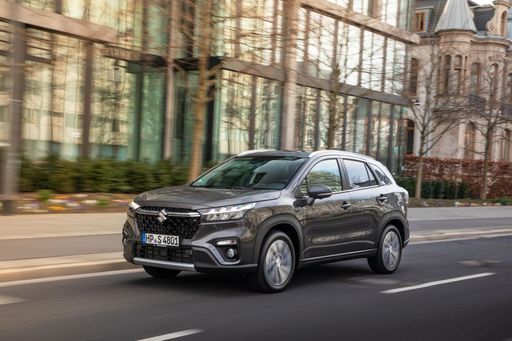
Suzuki S-Cross

Alternative models

These models are frequently compared with the Suzuki S-Cross and are good next research steps.

from £23,600
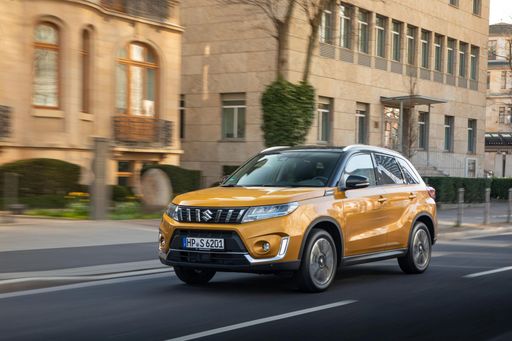
Vitara

Suzuki Vitara

  • Engine Type Petrol MHEV, Electric
  • Transmission Automatic, Manuel
  • Drive Type Front-Wheel Drive, All-Wheel Drive
  • Power HP 110 - 184 HP
  • Consumption L/100km 5.3 - 5.8 L/100km
  • Consumption kWh/100km 14.9 - 16.6 kWh/100km
  • Electric Range 344 - 426 km

Suzuki Vitara as a suitable alternative to Suzuki S-Cross

The Suzuki S-Cross and the Suzuki Vitara take different approaches to the compact SUV segment: the S-Cross leans towards comfort, refinement and value, while the Vitara offers a more rugged look and a livelier driving character. I’ll outline their strengths in space, ride, economy and equipment to help you pick the one that best fits your priorities.

The Suzuki Vitara is a practical compact SUV that balances a comfortable, composed ride with easy-to-live-with interior space, making it well suited for daily driving and weekend getaways. It's widely praised for reliable engineering and sensible running costs, offering straightforward value to buyers who want a no-nonsense, economical crossover.

Quick data check: Suzuki Vitara

  • marginally cheaper
  • somewhat more trunk space
  • significantly more power
  • marginally lighter
from £16,300
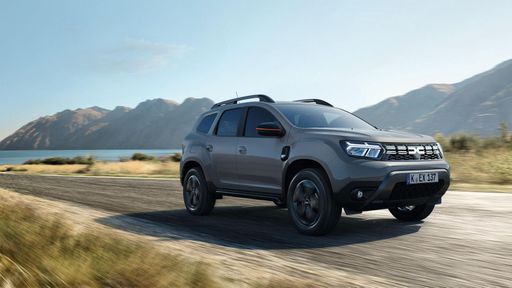
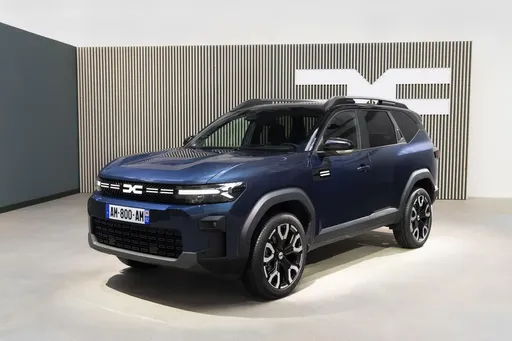
Duster

Dacia Duster

  • Engine Type Petrol MHEV, Full Hybrid, LPG
  • Transmission Manuel, Automatic
  • Drive Type Front-Wheel Drive, All-Wheel Drive
  • Power HP 115 - 158 HP
  • Consumption L/100km 4.7 - 7.6 L/100km

Dacia Duster as a suitable alternative to Suzuki S-Cross

Choosing between the Dacia Duster and the Suzuki S-Cross is about whether you want rugged simplicity and great value or a more refined, comfortable compact crossover. This comparison will focus on real-world space, economy, driving feel and running costs to help you decide which suits your needs.

The Dacia Duster is a straightforward, budget-friendly SUV that prioritizes practicality and value over flashy features. Its rugged styling and simple, roomy interior make it a sensible choice for buyers who want capable everyday transport without paying for extras they won’t use.

Quick data check: Dacia Duster

  • only slightly lighter
  • clearly cheaper
  • markedly more power
  • slightly more efficient
  • moderately more trunk space
from £23,700
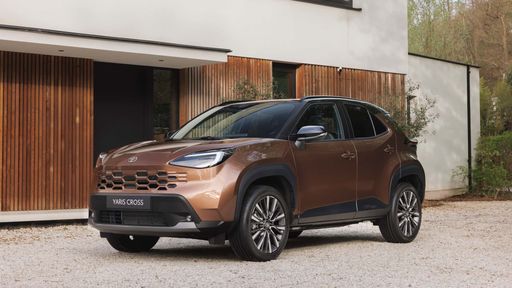
Yaris Cross

Toyota Yaris Cross

  • Engine Type Full Hybrid
  • Transmission Automatic
  • Drive Type Front-Wheel Drive, All-Wheel Drive
  • Power HP 116 - 130 HP
  • Consumption L/100km 4.5 - 4.8 L/100km

Toyota Yaris Cross as a suitable alternative to Suzuki S-Cross

The Suzuki S-Cross and the Toyota Yaris Cross are compact crossovers aimed at buyers who want SUV practicality in a city-friendly package. The S-Cross leans toward space and straightforward value, while the Yaris Cross prioritises hybrid efficiency, urban agility and advanced safety tech—so pick based on whether you need room or fuel economy.

The Toyota Yaris Cross blends the maneuverability of a small hatch with the higher driving position and practicality of a crossover, wrapped in Toyota's dependable build quality. It suits urban buyers who need easy parking, flexible cargo space and a comfortable, economical daily driver.

Quick data check: Toyota Yaris Cross

  • marginally cheaper
  • marginally more trunk space
  • somewhat more power
  • moderately more efficient
  • marginally lighter
from £34,200
Kuga

Ford Kuga

  • Engine Type Petrol, Full Hybrid, Plugin Hybrid
  • Transmission Manuel, Automatic
  • Drive Type Front-Wheel Drive, All-Wheel Drive
  • Power HP 150 - 243 HP
  • Consumption L/100km 2.8 - 6.8 L/100km
  • Electric Range 68 km

Ford Kuga as a suitable alternative to Suzuki S-Cross

Comparing the Ford Kuga and the Suzuki S‑Cross helps you decide between a bigger, more tech-rich family SUV and a compact, practical crossover that’s easier on the wallet. Below is a direct, practical breakdown to help match each car to real-life needs. Quick verdict - Ford Kuga: A more spacious, more engaging-to-drive compact SUV with a broader engine range (including hybrid/PHEV options) and stronger tech/safety kit — at a higher purchase and running cost. - Suzuki S‑Cross: A sensible, lower-cost compact crossover that focuses on value, reliability and economical running, with enough space for most small families but fewer performance and tech frills. Size & practicality - Ford Kuga: Feels larger inside with more rear-seat space and a bigger boot, making it better for taller passengers or families with child seats and luggage. Higher towing capacity and more flexible load options on many versions. - Suzuki S‑Cross: Compact and easy to live with around town. Boot and rear space are respectable for the class but not as generous as the Kuga’s — better if you prioritise easier parking and lower ownership costs. Driving and comfort - Ford Kuga: Typically tuned for more confident handling and a composed ride, especially with stronger engines and optional adaptive chassis on some trims. Better motorway comfort and refinement at higher speeds. - Suzuki S‑Cross: Comfort-focused and easy to drive, with lighter controls and a forgiving ride. Less sporty, but pleasant for daily commuting and city driving. Engines & efficiency - Ford Kuga: Broader powertrain range — conventional petrol/diesel, mild-hybrid and plug‑in hybrid in many markets. PHEV versions are good for short electric-only commutes but add cost and complexity. - Suzuki S‑Cross: Simpler, smaller-displacement engines with mild-hybrid assistance in recent models. Strong on real-world fuel economy and lower servicing complexity. Interior, tech & features - Ford Kuga: Generally better materials, larger infotainment screens and more advanced driver-assistance features on higher trims. More optional comfort and convenience tech. - Suzuki S‑Cross: Practical, easy-to-use cabin with durable materials. Fewer fancy features as standard, but typically good value for money and straightforward controls. Safety & reliability - Ford Kuga: Strong active safety kit available and good crash-protection levels; kit level depends on trim. More driver aids on recent models. - Suzuki S‑Cross: Suzuki’s reputation for straightforward, durable engineering. Safety equipment is competent but often more basic than Ford’s higher-spec Kuga variants. Running costs & ownership - Ford Kuga: Higher purchase price and potentially higher servicing and insurance costs, particularly for PHEV and higher-power models. Resale values can be reasonable for well-specified cars. - Suzuki S‑Cross: Lower purchase price, typically cheaper to insure and maintain. Good value for drivers who want predictable, low-cost ownership. Who should choose which? - Choose the Ford Kuga if: you need a roomier family car, want stronger performance or a hybrid/PHEV option, value more tech and safety equipment, and are willing to pay more for better refinement and flexibility. - Choose the Suzuki S‑Cross if: you want a compact, affordable crossover that’s easy to live with, prioritise low running and ownership costs, and don’t need the extra space or advanced kit the Kuga offers. If you tell me your typical use (commute length, family size, budget, parking constraints), I’ll recommend the specific trim or powertrain that fits you best.

The Ford Kuga is a practical and comfortable compact SUV that balances everyday usability with a composed ride and adaptable interior. It offers sensible tech and safety features, making it a solid choice for families or anyone seeking a versatile, easy-to-live-with crossover.

Quick data check: Ford Kuga

  • substantially cheaper
  • slightly lighter
  • significantly more power
  • significantly more efficient
£49,877
Across

Suzuki Across

  • Engine Type Plugin Hybrid
  • Transmission Automatic
  • Drive Type All-Wheel Drive
  • Power HP 306 HP
  • Consumption L/100km 1 L/100km
  • Electric Range 75 km

Suzuki Across as a suitable alternative to Suzuki S-Cross

Here’s a straight-talk comparison of the Suzuki S-Cross and the Suzuki Across to help you decide which crossover suits your lifestyle and budget. The S-Cross is a practical, affordable compact crossover focused on efficiency and comfort, while the Across is a larger plug-in hybrid with stronger performance and lower running costs on short electric trips.

The Suzuki Across is Suzuki's take on a roomy, efficient plug-in SUV handed down from its Toyota cousin, marrying sensible practicality with a polished, grown-up driving character. It won't thrill those chasing sporty drama, but for buyers who value measured refinement, low running costs and lots of usable space, it's an unexpectedly accomplished and subtly premium package.

Quick data check: Suzuki Across

  • significantly cheaper
  • clearly lighter
  • clearly more power
  • significantly more efficient
  • a bit more trunk space
from £23,600
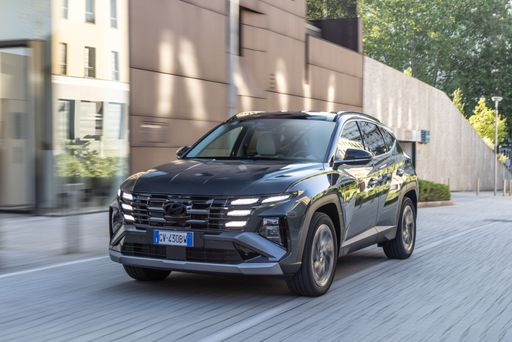
Kona

Hyundai Kona

  • Engine Type Petrol, Full Hybrid, Electric
  • Transmission Manuel, Automatic
  • Drive Type Front-Wheel Drive, All-Wheel Drive
  • Power HP 115 - 204 HP
  • Consumption L/100km 4.6 - 7 L/100km
  • Consumption kWh/100km 14.6 - 16.1 kWh/100km
  • Electric Range 380 - 510 km

Hyundai Kona as a suitable alternative to Suzuki S-Cross

In the competitive subcompact SUV segment, the Hyundai Kona impresses with its bold design, high-tech features, and engaging driving dynamics, making it a standout choice for those seeking a fun and stylish ride. Meanwhile, the Suzuki S-Cross offers a more practical approach, boasting a spacious interior and commendable fuel efficiency, which appeals to families and budget-conscious buyers alike. Ultimately, the choice between the Kona and S-Cross hinges on personal preferences: whether you prioritize sporty performance or practicality in your daily drives.

The Hyundai Kona is a compact crossover that pairs bold styling with practical everyday usability, offering a comfortable cabin and intuitive tech for modern drivers. Available in both conventional and electrified versions, Kona brings lively handling and strong value for buyers who want crossover versatility and standout character.

Quick data check: Hyundai Kona

  • only slightly cheaper
  • barely lighter
  • considerably more power
  • somewhat more efficient
  • barely more trunk space
DriveDuel uses data analysis and artificial intelligence to evaluate vehicle data and create content. Content is regularly reviewed and improved. The displayed prices are estimates based on German list prices, adjusted to the respective country’s VAT. Country-specific registration taxes are not included. This information is not legally binding.