Mazda CX-30 alternatives & comparisons

Here you can find alternatives to the Mazda CX-30, based on existing comparison pages and popular model matchups. We currently show 6 suitable models as a starting point for your buying decision.

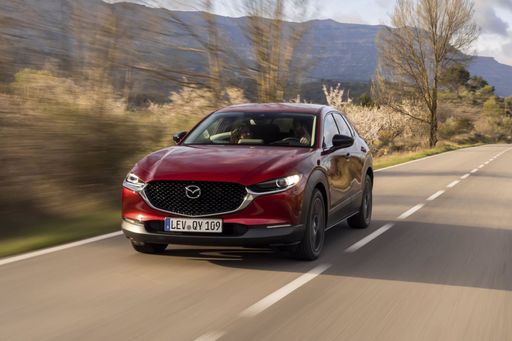
Mazda CX-30

Alternative models

These models are frequently compared with the Mazda CX-30 and are good next research steps.

from £23,700
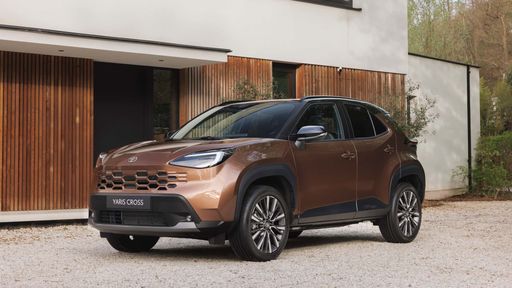
Yaris Cross

Toyota Yaris Cross

  • Engine Type Full Hybrid
  • Transmission Automatic
  • Drive Type Front-Wheel Drive, All-Wheel Drive
  • Power HP 116 - 130 HP
  • Consumption L/100km 4.5 - 4.8 L/100km

Toyota Yaris Cross as a suitable alternative to Mazda CX-30

The Mazda CX-30 feels like a little premium driver’s car with sharper handling, a beautifully put-together interior and just the sort of polish that makes daily drives more enjoyable, while the Toyota Yaris Cross leans hard into practicality and hybrid efficiency for city life. Pick the CX-30 if you want style and driving fun; choose the Yaris Cross if lower running costs, clever packaging and easy parking top your priority list.

The Toyota Yaris Cross blends the maneuverability of a small hatch with the higher driving position and practicality of a crossover, wrapped in Toyota's dependable build quality. It suits urban buyers who need easy parking, flexible cargo space and a comfortable, economical daily driver.

Quick data check: Toyota Yaris Cross

  • only slightly cheaper
  • noticeably more efficient
  • noticeably lighter
from £21,800
S-Cross

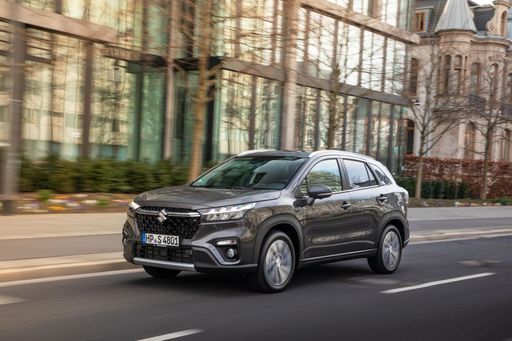
Suzuki S-Cross

  • Engine Type Petrol MHEV
  • Transmission Manual, Automatic
  • Drive Type Front-Wheel Drive, All-Wheel Drive
  • Power HP 110 HP
  • Consumption L/100km 5.3 - 5.8 L/100km

Suzuki S-Cross as a suitable alternative to Mazda CX-30

If you want a small SUV that actually feels like a car, the Mazda CX‑30 wins hearts with taut handling, upscale interior materials and a sharper, more rewarding drive. The Suzuki S‑Cross is the sensible sibling — roomier, cheaper to run and easier on the wallet, making it the smarter pick for families who prefer practicality over pizzazz.

The Suzuki S-Cross is a practical, well-built compact crossover that puts comfort, efficiency and everyday reliability first. With a roomy cabin, straightforward technology and sensible design, it’s a no-nonsense choice for buyers seeking a versatile family car.

Quick data check: Suzuki S-Cross

  • somewhat cheaper
  • barely more efficient
  • somewhat lighter
from £28,300
Golf

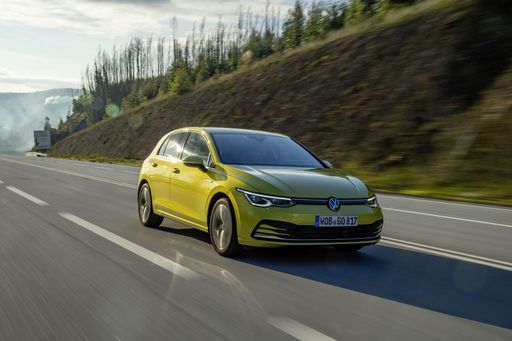
VW Golf

  • Engine Type Petrol, Petrol MHEV, Diesel, Plug-in Hybrid
  • Transmission Manual, Automatic
  • Drive Type Front-Wheel Drive, All-Wheel Drive
  • Power HP 116 - 325 HP
  • Consumption L/100km 1.1 - 7.6 L/100km
  • Electric Range 131 - 143 km

VW Golf as a suitable alternative to Mazda CX-30

Mazda CX-30 vs Golf — two compact, sensible choices that target slightly different needs: the CX-30 brings SUV styling and a premium-feel cabin, while the Golf is the benchmark compact hatch for everyday practicality and versatility. Below I’ll run through the strengths and trade‑offs so you can pick the one that fits how you drive and live. Quick take - CX-30: Feels like a small, well-built crossover with a refined, driver-focused cabin, higher ride height and a nicer interior finish. - Golf: The all‑round compact hatchback — more practical rear seat and cargo space, wider engine and trim choices, and typically a more efficient drivetrain line-up. Practicality and interior - Space: The Golf generally offers better rear-seat room and a squarer cargo area that’s easier to use for luggage and groceries. The CX-30’s higher floor and sloping roofline reduce headroom and cargo flexibility slightly, though its loading height is more SUV‑friendly. - Fit and finish: Mazda aims for a premium feel — soft materials, simple clean design and good perceived quality. The Golf’s interior is functionally excellent and well-built, but more conservative in styling. - Comfort: Both are comfortable for front occupants; long-distance comfort often tips toward the CX-30 thanks to a slightly cushier setup, while the Golf’s seats and packaging favour longer rear-seat comfort. Driving, engines and dynamics - Handling: The CX-30 is engaging and feels tautly sprung for its class — more driver‑oriented than most small crossovers. The Golf is agile and composed, with very balanced handling; the steering and body control are class benchmarks. - Powertrains: The Golf offers a broader range — efficient small turbo petrols, mild‑hybrids, diesels in some markets, sporty GTI/R options and even plug‑in hybrids. The CX-30 tends to stick to Mazda’s Skyactiv petrol engines (with AWD available on higher outputs); in some markets there’s a turbo 2.5 and optional i‑Activ AWD. - Everyday usability: If you want maximum choice (extra economy or a hot version) and the option of very frugal engines, Golf has the edge. If you prefer a simple, polished drive with available AWD and a bit more SUV presence, CX-30 is better. Fuel economy and running costs - Golf usually wins on fuel economy, especially with its smaller turbo engines and hybrid options. Maintenance costs are close between both brands; residuals depend on market and trim but Golfs often hold value well in the compact class. - Insurance and servicing costs are similar; expect the CX-30’s crossover positioning to be priced a touch higher in some trims. Technology and safety - Both come with modern driver assistance packs: adaptive cruise, lane‑keeping aids, autonomous emergency braking and more. Safety ratings are strong for both models in many markets. - Infotainment: Mazda uses a rotary controller and a clean interface; VW uses touchscreens and digital dials in higher trims. Both support smartphone mirroring (check for wireless CarPlay/Android Auto availability on the exact trim). Ownership and reliability - Mazda has a strong reputation for reliability and straightforward ownership. Volkswagen’s quality has improved and the Golf remains a durable, mainstream choice — long-term costs are competitive for both. - Warranty and servicing packages vary by market; check local offers and included servicing when comparing final prices. Pros and cons — quick list - CX-30 Pros: Premium cabin feel, engaging drive, SUV styling and higher ride height, available AWD. Cons: Less rear-seat and cargo flexibility, fewer engine/trim choices. - Golf Pros: Better rear-seat space and cargo practicality, wider engine range (including highly efficient and sporty options), very neutral handling. Cons: More conservative styling, slightly less characterful cabin in some trims. Who should buy which - Choose the CX-30 if you want crossover style, a refined interior and a driver‑focused feel with the option of AWD — good for buyers who value comfort, style and an engaging drive more than maximum practicality. - Choose the Golf if you need the most usable cabin and boot space in a compact footprint, want fuel-efficient or performance variants, and prefer a hatchback that’s all‑round practical for family and commuting duties. Bottom line If you want a compact that feels a little more premium and SUV-like, go CX-30; if you need the most versatile, economical and broadly capable compact, go Golf. Test-drive both back‑to‑back with the trims and engines you’d realistically buy — that will make the difference.

The Golf is a quietly accomplished compact that blends practicality, refinement and approachable driving manners into a very usable everyday package. It’s well built, comfortable and versatile, making it a smart choice whether you want sensible family transport or an enjoyable commuter.


Quick data check: VW Golf

  • significantly more power
  • significantly more efficient
  • substantially quicker 0–100 km/h
  • moderately lighter
from £24,700
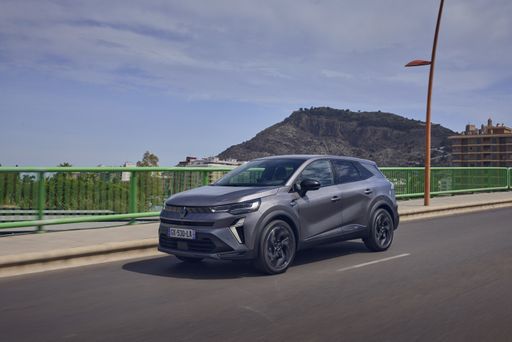
Symbioz

Renault Symbioz

  • Engine Type Full Hybrid, Petrol MHEV
  • Transmission Automatic, Manual
  • Drive Type Front-Wheel Drive
  • Power HP 140 - 158 HP
  • Consumption L/100km 4.5 - 6 L/100km

Renault Symbioz as a suitable alternative to Mazda CX-30

In a head-to-head comparison, the Mazda CX-30 and Renault Symbioz present two compelling yet distinct choices for crossover enthusiasts. The CX-30 shines with its refined interior, agile handling, and a traditional gasoline powertrain that appeals to purists. Meanwhile, the Renault Symbioz, as an innovative concept vehicle, takes a futuristic approach with its autonomous capabilities and electric propulsion, showcasing the brand's vision for sustainable and connected mobility.

The Renault Symbioz is a forward-looking concept car that imagines a seamless link between vehicle and home, pairing a lounge-like cabin with striking, futuristic styling. More idea than production plan, it showcases Renault's vision for connected, autonomous and sustainable mobility while provoking debate about how we will live and travel.

Quick data check: Renault Symbioz

  • only slightly cheaper
  • clearly more efficient
  • very slightly lighter
  • clearly more trunk space
from £23,900
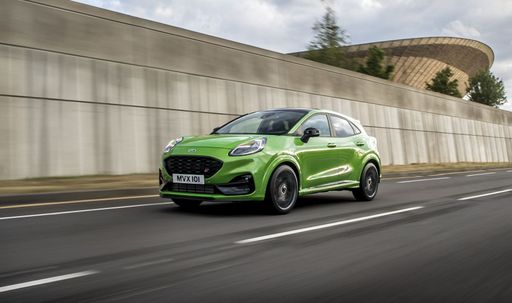
Puma

Ford Puma

  • Engine Type Petrol MHEV, Electric
  • Transmission Manual, Automatic
  • Drive Type Front-Wheel Drive
  • Power HP 125 - 168 HP
  • Consumption L/100km 5.4 - 5.9 L/100km
  • Consumption kWh/100km 13 - 13.9 kWh/100km
  • Electric Range 404 - 417 km

Ford Puma as a suitable alternative to Mazda CX-30

In the tussle between the cheeky Ford Puma and the stylish Mazda CX-30, the Puma serves up playful handling, clever practicality and sharper value, while the CX-30 rewards you with a more premium cabin and composed, grown-up refinement. Choose the Puma for everyday fun and sensible running costs; pick the CX-30 if you want a quieter, classier drive and don’t mind paying a little extra for the nicer finish.

The Ford Puma blends sporty styling with practical everyday usability, making it a smart choice for drivers who want flair without sacrificing versatility. Its engaging driving character and clever interior packaging give it a more dynamic and useful feel than many rivals.

Quick data check: Ford Puma

  • very slightly cheaper
  • very slightly more efficient
  • moderately quicker 0–100 km/h
  • a bit lighter
  • slightly more trunk space
from £22,300
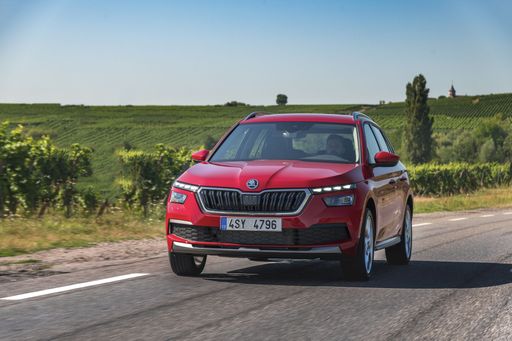
Kamiq

Skoda Kamiq

  • Engine Type Petrol
  • Transmission Manual, Automatic
  • Drive Type Front-Wheel Drive
  • Power HP 95 - 150 HP
  • Consumption L/100km 5.3 - 5.7 L/100km

Skoda Kamiq as a suitable alternative to Mazda CX-30

The Mazda CX-30 is the stylish, driver's compact SUV that blends near-premium looks and crisp handling, while the Škoda Kamiq plays the sensible card with clever packaging, a roomier boot and lower running costs. Pick the CX-30 if you want a more emotional, fun-to-drive compact with a nicer interior; choose the Kamiq for everyday practicality, brilliant space use and better value for families and commuters.

The Skoda Kamiq is a practical, well-built small crossover that mixes city-friendly manners with surprisingly versatile interior space and clever storage solutions. It offers a comfortable ride, user-friendly technology and solid value, making it a sensible choice for everyday driving.

Quick data check: Skoda Kamiq

  • a bit cheaper
  • barely more efficient
  • marginally quicker 0–100 km/h
  • a bit lighter
DriveDuel uses data analysis and artificial intelligence to evaluate vehicle data and create content. Content is regularly reviewed and improved. The displayed prices are estimates based on German list prices, adjusted to the respective country’s VAT. Country-specific registration taxes are not included. This information is not legally binding.